
Fatigue (Sensory, Social, Cognitive)
Describes exhaustion that builds from sustained sensory, social, or cognitive effort, even without physical exertion.
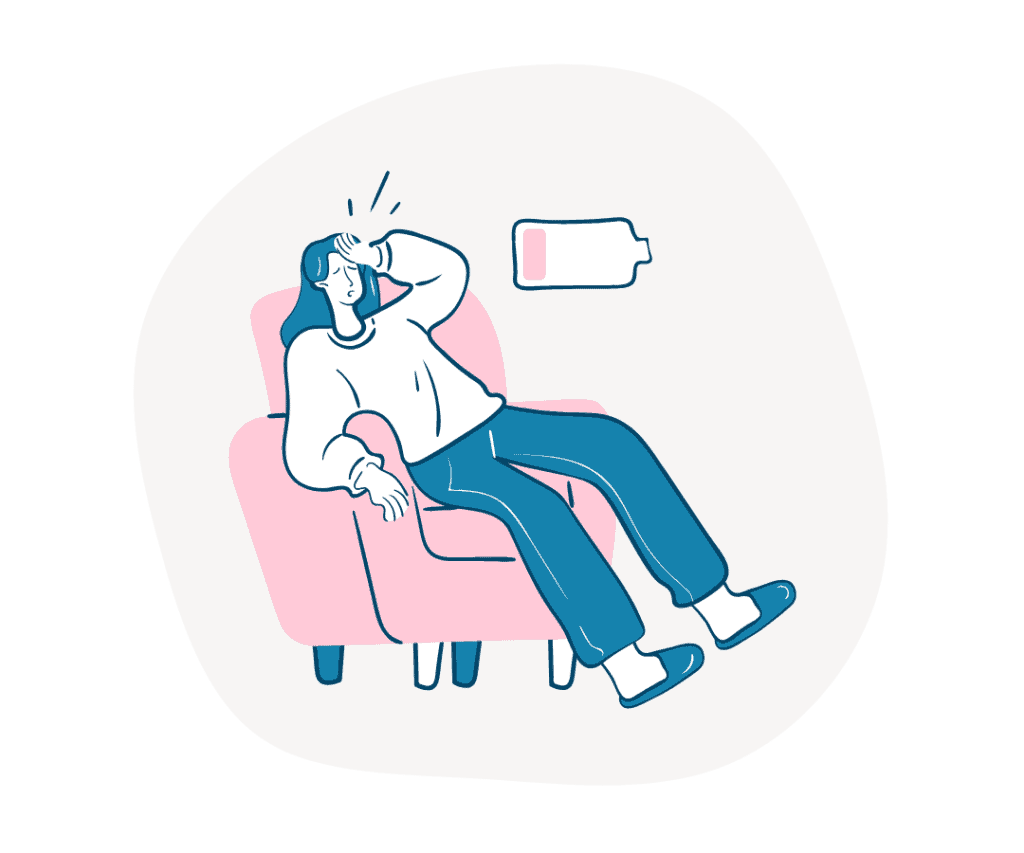
Sensory, social, and cognitive fatigue describe forms of exhaustion that come from sustained effort rather than physical activity. For many neurodivergent people, everyday environments require constant sensory processing, social interpretation, and cognitive regulation — all of which draw heavily on energy.
- Sensory fatigue can build from ongoing exposure to noise, light, movement, textures, or crowded spaces.
- Social fatigue often comes from navigating conversations, reading social cues, masking, or managing expectations.
- Cognitive fatigue may develop after long periods of focus, decision-making, task switching, or making sense of complex or unclear information.
These forms of fatigue tend to stack. Over time, they may show up as brain fog, irritability, slowed thinking, reduced tolerance, or a strong need to withdraw. Neurodivergent fatigue reflects the cost of operating in environments that require constant adaptation. Support often centers on pacing, sensory regulation, predictable rhythms, and permission to rest — ideally before exhaustion tips into burnout.