Neurodivergent Communication
Neurodivergent communication describes the wide range of ways Autistic, ADHD, and other neurodivergent people share meaning. It may differ from neurotypical norms in pacing, directness, tone, emotional expression, or depth.
This can include precise or literal language, blunt honesty, divergent or associative communication, infodumping about areas of passion, parallel conversations or parallel play, delayed processing, or communicating through scripts, gestures, movement, visuals, or written words.
This can include precise or literal language, blunt honesty, divergent or associative communication, infodumping about areas of passion, parallel conversations or parallel play, delayed processing, or communicating through scripts, gestures, movement, visuals, or written words. It can also show up as differences in pacing, emotional expression, eye contact, and in valuing depth, clarity, or honesty more than social polish.
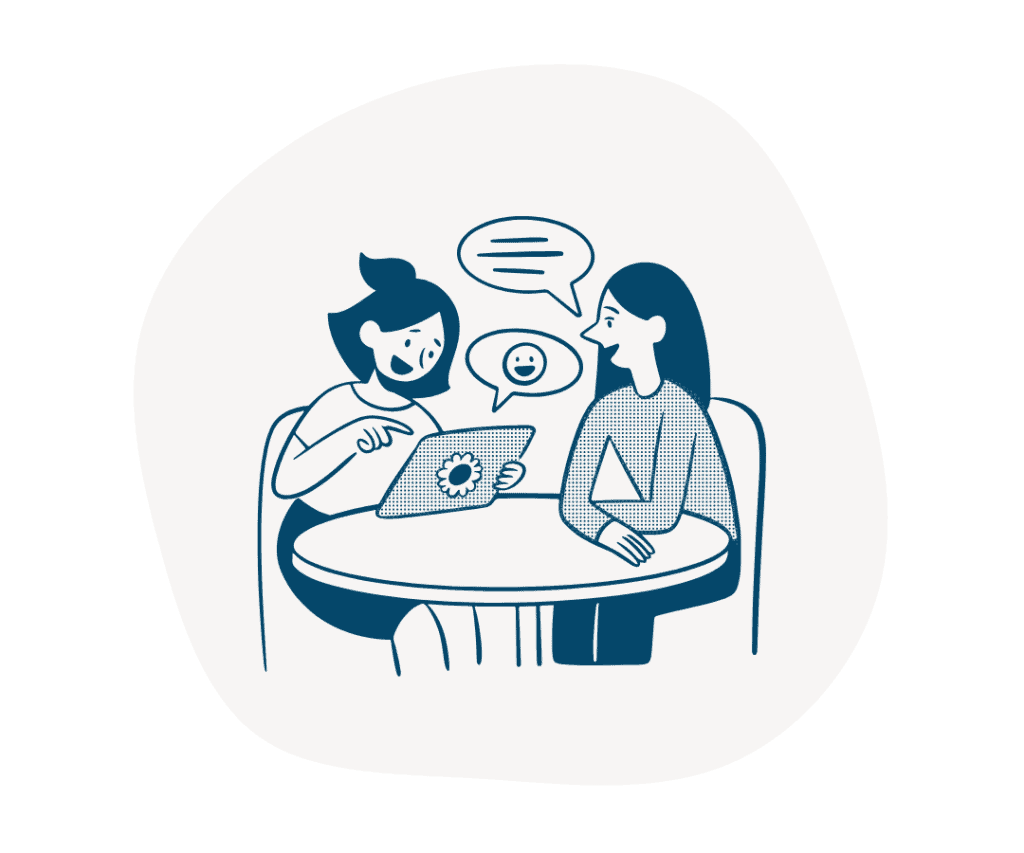
Miscommunication often arises not because something is wrong, but because different neurotypes are communicating across distinct expectations, cues, and norms. In cross-neurotype communication, misunderstandings tend to be mutual — an experience described by the double empathy problem — where each person is making sense from their own communication logic. Understanding neurodivergent communication invites flexibility, curiosity, and shared responsibility for bridging gaps, rather than placing the burden on one person to correct or conform.