
Access needs
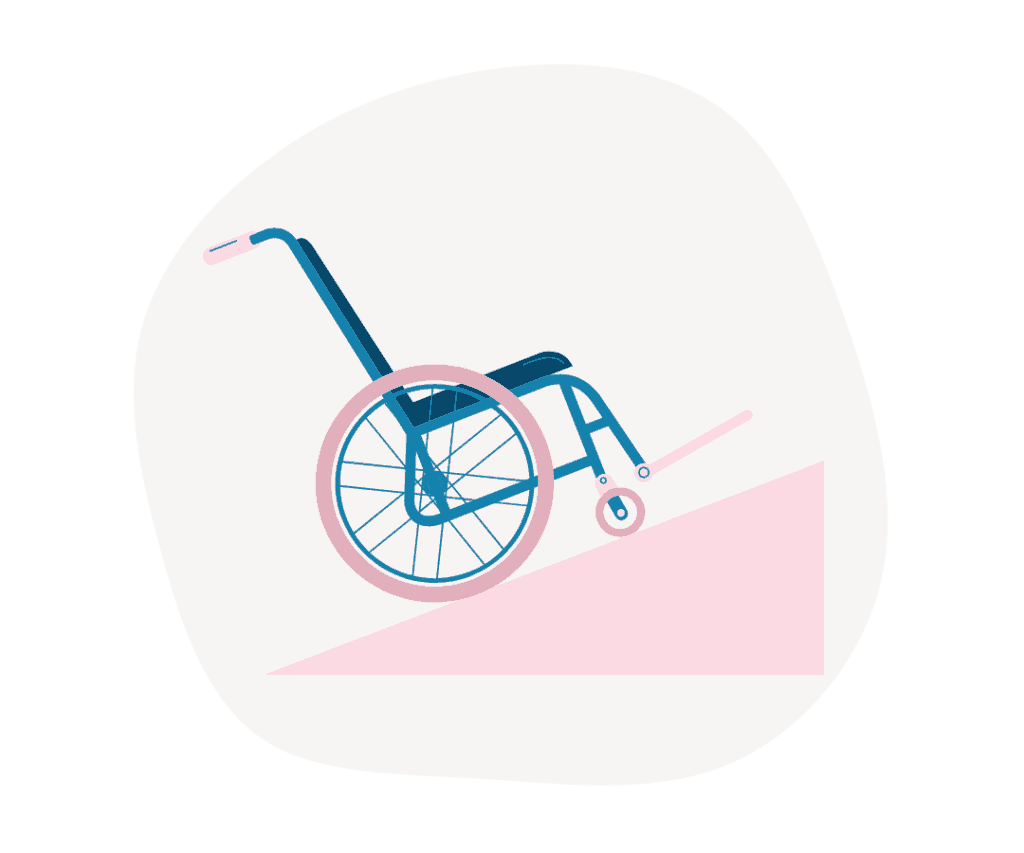
Access needs are the supports, adjustments, or conditions someone needs in order to participate fully — in an environment, an activity, or a relationship. These needs can be physical, sensory, cognitive, or relational, and they often show up in concrete, practical ways: ramps or captions, quieter spaces, written instructions, flexible timing, or extra processing time in conversation.
Everyone has access needs, even if we don’t always name them. What’s different is that disabled people are more likely to have our needs ignored, questioned, or stigmatized. Naming and honoring access needs reminds us that being human is interdependent. Sometimes we adjust for others; sometimes others adjust for us. Instead of asking people to reshape themselves to fit rigid systems, we can build environments and relationships that are flexible enough to hold difference. And in many cases, disabled people are already doing this every day — navigating clashing access needs within families and communities, where multiple, sometimes competing, needs coexist.