
Empathy
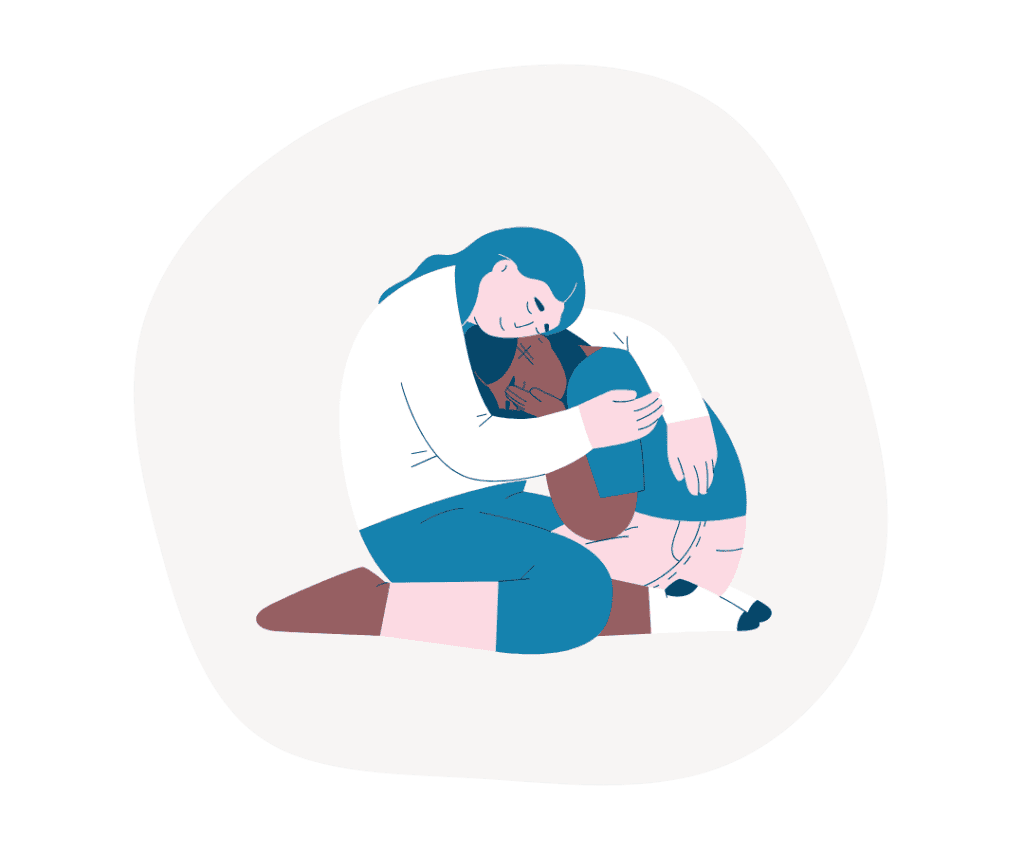
Empathy is the capacity to understand and connect with another person’s experience. It’s often described as having three overlapping forms:
• Cognitive empathy: understanding what someone else might be thinking or feeling
• Emotional (or affective) empathy: feeling with another person, sharing their emotional state
• Compassionate empathy: responding with care or support
Autistic empathy has long been misunderstood, in part because of the outdated “theory of mind” myth — the idea that Autistic people can’t imagine others’ perspectives. Lived experience and research show a much more complex picture. Some Autistic people experience empathy very intensely, sometimes described as hyperempathy, to the point that it can become overwhelming or lead to shutdown. Misunderstandings tend to arise not from a lack of empathy, but from double empathy gaps — mutual differences in communication, expression, and social expectations.
At the same time, some Autistic people do experience lower levels of affective empathy. Research suggests this is often related to alexithymia — difficulty identifying and describing emotions — rather than autism itself. As in the general population, Autistic people show a wide range of empathy experiences, from low empathy to high empathy.
Empathy doesn’t look the same for everyone. It may be highly emotional, more analytical, or expressed through action rather than words. Many Autistic people describe discomfort with physical comforting when others are upset, not because they don’t care, but because of sensory sensitivity or uncertainty about social expectations. For neurodivergent people, empathy may show up as problem-solving, advocacy, quiet presence, or staying alongside someone in practical ways.
Broadening how we understand empathy helps make room for this diversity. Empathy can be expressed through many form — words, actions, shared focus, or presence. How empathy is received also varies. One person may feel supported by a hug, while another may find that overwhelming but feel deeply seen through story-sharing or sensory connection.