
Working Memory
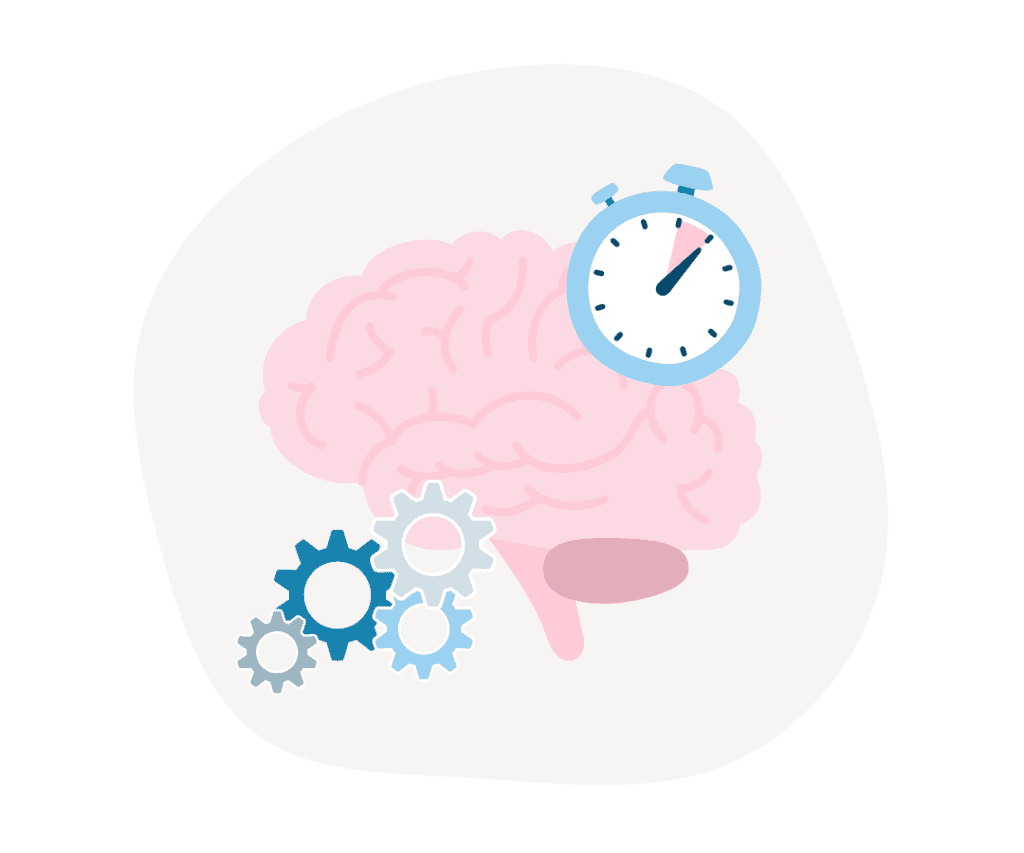
Working memory refers to our ability to hold information in mind for a short time while we use it. It supports everyday tasks like following multi-step instructions, remembering what you were about to do, holding a thought while speaking, or keeping track of plans.
For many neurodivergent people, especially ADHDers, working memory capacity may be more limited or more easily disrupted by stress, sensory load, or fatigue. This can show up as forgetting what you just read or heard, losing track of tasks when they’re out of sight, struggling with transitions, or needing external supports to stay oriented.
Working memory is one component often measured on IQ tests and reflects just one aspect of cognitive functioning. Differences in working memory can contribute to a spiky cognitive profile, where verbal comprehension, reasoning, or creativity are strong, while holding information in mind in the moment is harder.
When intelligence is unevenly expressed it can be confusing. Being strong in some areas and struggling in others can easily lead to the belief that you’re “not intelligent,” or “not trying hard enough,” especially in environments that rely heavily on working memory. What’s often needed isn’t trying harder, but more support. Tools like visual reminders, written instructions, routines, and structure help reduce strain and make daily life more workable.