
Workplace Accommodations
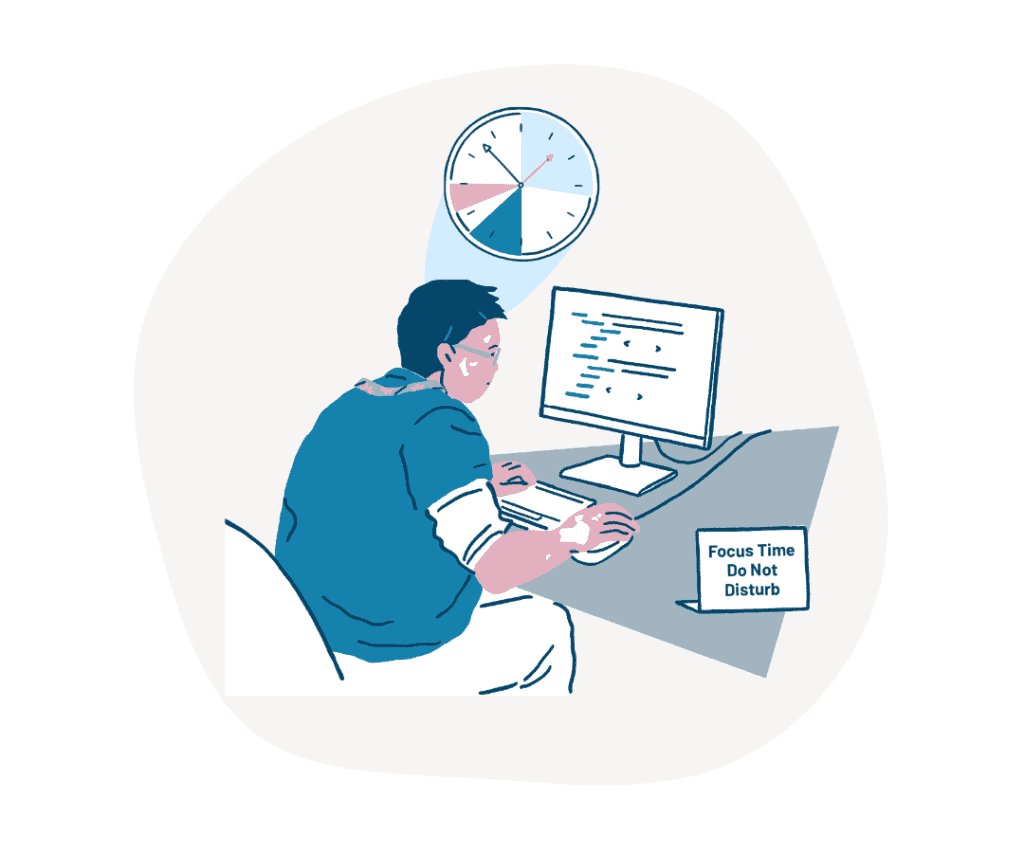
Workplace accommodations are adjustments that support employees in managing their needs and accessing their work more sustainably. For neurodivergent people, this might include flexible scheduling, sensory-friendly environments, communication adjustments, task-management tools, or changes to how work is structured or evaluated.
Accommodations can be formal or informal. Formal accommodations typically involve disclosure and documentation and are protected under laws such as the Americans with Disabilities Act (ADA). Informal accommodations may happen quietly through supportive managers, team agreements, or self-created strategies, and do not always require disclosure.
Many neurodivergent people choose not to disclose a disability at work due to concerns about stigma, bias, or safety. This makes informal accommodations and self-advocacy especially important, while also highlighting the limits of systems that require disclosure to access support.
Workplace accommodations are not special treatment. They are tools for equity, helping people work in ways that align with how their nervous system and brain function. Resources like the Job Accommodation Network (JAN) can help employees and employers explore accommodation options, whether formal or informal.