
Insomnia
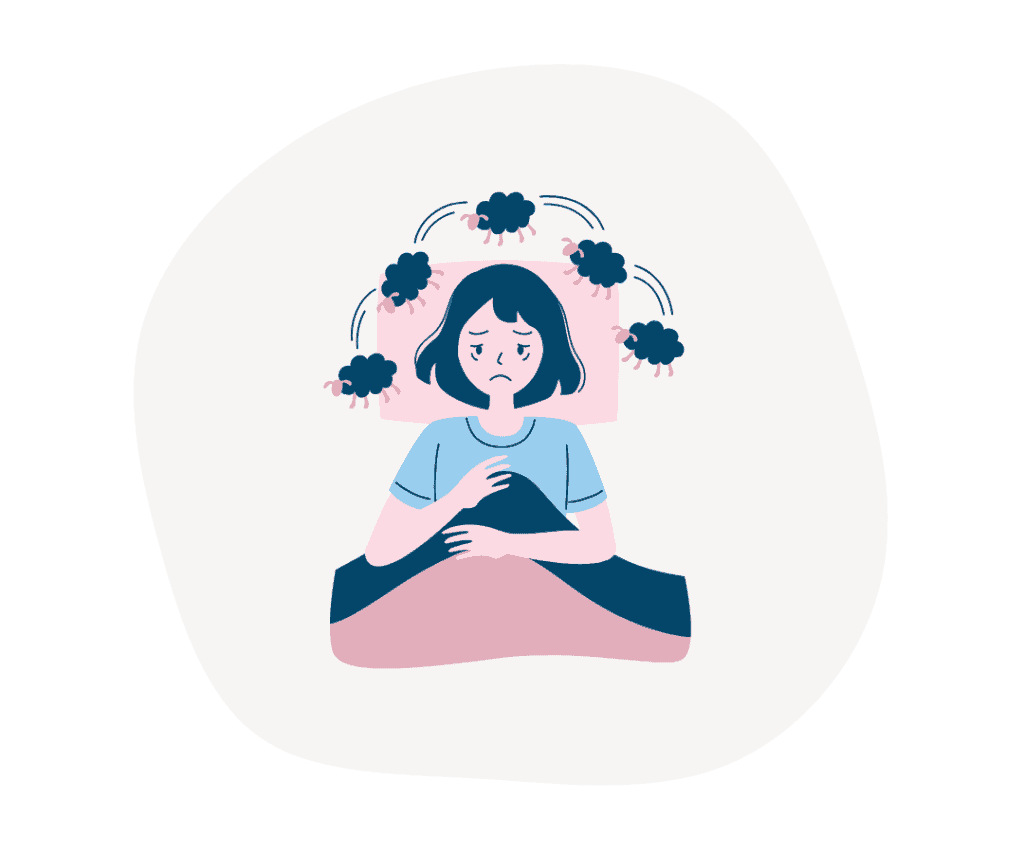
Insomnia refers to ongoing difficulty falling asleep, staying asleep, or returning to sleep after waking during the night. It’s more common among Autistic and ADHD people and is often shaped by how the nervous system processes stimulation, stress, and the shift into rest.
For many people, insomnia grows out of a mix of racing or looping thoughts, sensory sensitivities, and a brain that stays alert long after the body feels exhausted. Even when someone is deeply tired, their nervous system may struggle to downshift into sleep. This often reflects both psychological and body-based factors, including differences in how brain systems like the hypothalamus help regulate arousal and circadian rhythms.
Insomnia isn’t a failure of sleep hygiene or willpower. Support usually involves more than bedtime routines alone and may include sensory accommodations, nervous system regulation, predictable wind-down rhythms, and easing the pressure to “sleep on command.”
For some, additional support might include working with a therapist, targeted sleep medications or supplements, light therapy, or other approaches that address both the mind and the body.