
Neurodivergent Nervous System
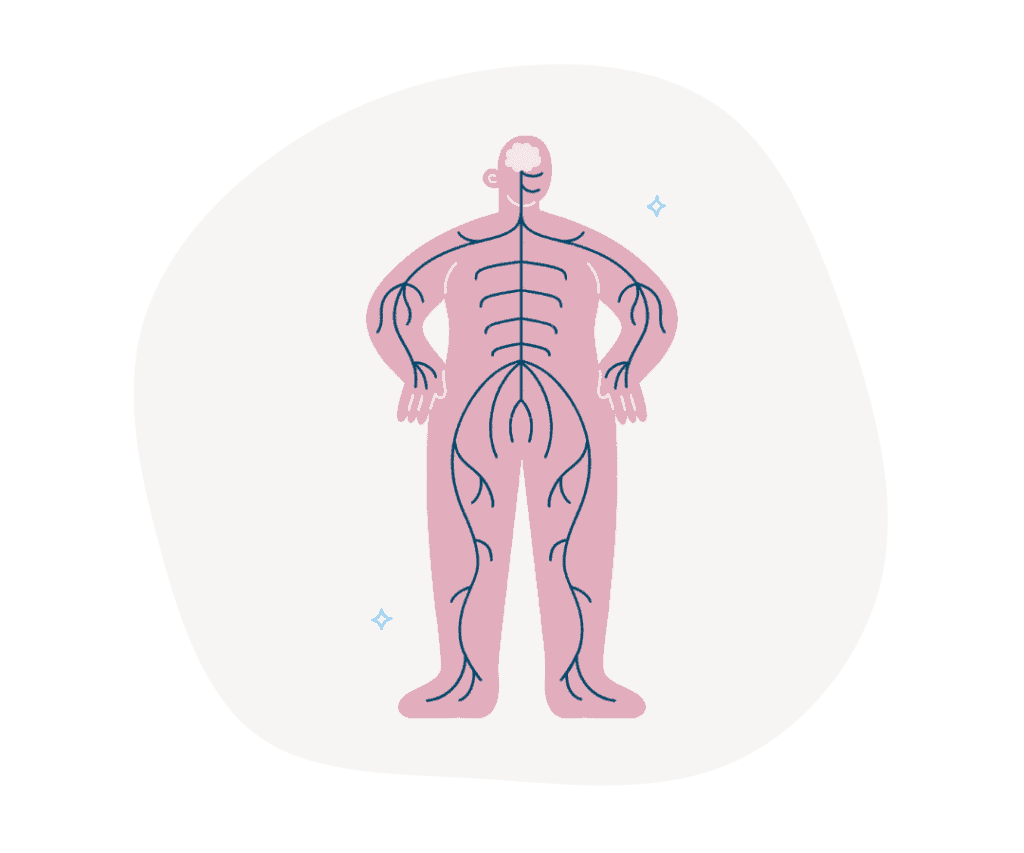
The neurodivergent nervous system describes differences in how the brain and body take in and respond to sensory input, stress, and emotional information. Many Autistic and ADHD people experience heightened or uneven nervous system responses, which can make everyday environments feel more taxing to move through.
These differences may show up as sensory overwhelm, emotional intensity, quicker stress activation, or a slower return to baseline after distress. What can look like “overreacting” from the outside is often a nervous system that shifts more easily into states of hyperarousal or hypoarousal — especially in environments that are loud, fast, unpredictable, or socially demanding.
A neurodivergent nervous system often needs different conditions to function well. This might include sensory accommodations, predictability, pacing, co-regulation, and intentional recovery time. Over the long term, support can also involve processing past trauma, strengthening secure attachment, and learning personal triggers and protective patterns. Foundational supports, like sleep, hydration, movement, and nourishment, support nervous system resilience too. While more sensitive by design, a neurodivergent nervous system can be supported, accommodated, and made more resilient.