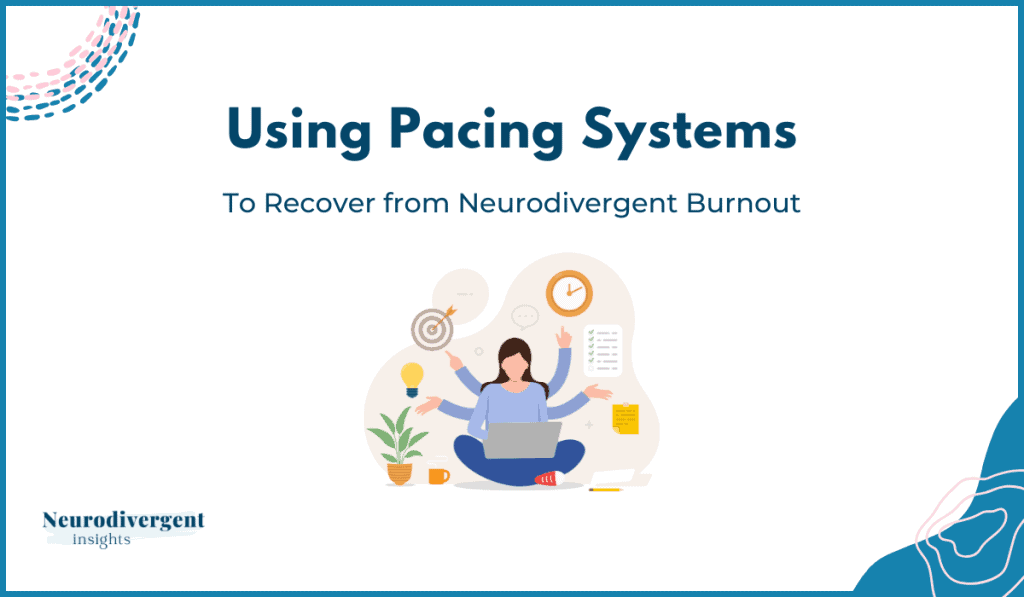
Pacing systems are helpful for anyone who is managing a chronic illness or a disability. I first learned about pacing systems when working in health psychology and working with oncology and chronic pain patients. I have since learned about how pacing systems are invaluable for me in managing my Autistic burnout and chronic pain. Pacing systems can be a helpful resource for neurodivergent people, particularly because we are so prone to the boom-or-bust cycle! This article will provide an overview of Autistic and ADHD burnout, and the boom-or-bust cycle and discuss how pacing systems can help us to cultivate a more sustainable life rhythm.
Table of Contents
ADHD, Autism, and Burnout
Chronic fatigue and burnout are less commonly discussed among ADHD and Autistic experiences. Many people with ADHD and Autism deal with chronic fatigue, burnout, and chronic pain. Several factors contribute to Autistic burnout and ADHD burnout (sensory overload, over-exerting ourselves, navigating a world not designed for us, and more). One of the things that perpetuate these patterns is something called the “Boom-or-Bust” Cycle. Many Autistic and ADHD people fall into the “Boom-or-Bust Cycle,” which exacerbates the burnout cycle. But before we get into the Boom-or Bust Cycle, first let’s clarify what Autistic Burnout and ADHD burnout entail.
Autistic and ADHD Burnout
Autistic and ADHD burnout is characterized by extreme exhaustion and a sense of being overwhelmed caused by prolonged periods of intense stress and overstimulation. When we experience burnout, it can result in increased difficulties with managing daily life tasks, our cognitive functioning declines, and our emotional well-being and mental health can take a deep dive! Symptoms of autistic and ADHD burnout may include:
Fatigue: A pervasive experience of tiredness, even after adequate rest or sleep;
Physical symptoms: Headaches, muscle tension, and digestive problems;
Executive functioning and cognitive difficulties: Amplified struggles with concentration, decision-making, problem-solving, and memory;
Emotional dysregulation: Increased irritability, mood swings, anxiety, and depression;
Sensory sensitivities: Heightened responses to lights, sounds, textures, or smells;
Social and communication challenges: Increased difficulty managing social interactions and communication.
Autistic and ADHD burnout happens when our internal resources are stretched past their limits. It often affects people who mask their neurodivergence and who don’t have enough support, accommodations, or breaks to manage stress and sensory input.
Causes of Autistic and ADHD Burnout
Common triggers for Autistic and ADHD burnout include:
Extended periods of masking (suppressing traits to appear “neurotypical”)
Chronic stress
Sensory overload
Navigating environments that are too demanding
Recovery is rarely quick — it often requires a mix of self-care, support, and sometimes therapy. Helpful steps may include creating a predictable routine, practicing stress-management techniques, taking regular sensory breaks, and working with a therapist or counselor to support emotional well-being.
Learning to communicate needs and boundaries more clearly — with employers, teachers, or healthcare providers — is another important part of prevention and recovery. Building a support network and connecting with neurodivergent communities can also bring validation, understanding, and encouragement.
Finally, finding a more sustainable life rhythm is key. Moving out of the “boom-and-bust” cycle many of us fall into is an important part of long-term healing.
Let’s turn now to explore what that boom-and-bust cycle looks like.
The Neurodivergent Boom-and-Bust Cycle
The Neurodivergent Boom-and-Bust Cycle refers to a pattern often observed among neurodivergent individuals. This cycle is characterized by alternating periods of high productivity and engagement, followed by periods of exhaustion and burnout.
What is the Boom-And-Bust Cycle?
First, it is helpful to note that everyone falls into the boom-and-bust cycle to some degree. The boom-and-bust cycle happens when we over-extend ourselves on good days and then need to recover the following day. This isn’t a big deal for healthy people as they can easily bounce back.
The boom-and-bust cycle is a common experience for people living with a chronic health condition, fatigue, pain, or disability. On good energy days, it feels so good to accomplish things, we may feel as if we are trying to make up for lost time. So we may over-extend ourselves while overriding our body’s signals and push our bodies beyond its limits. This is then inevitably followed by a “crash.” Many ADHDers and Autistic people often overextend ourselves–failing to honor their limits in our effort to “push through.” This is what is known as the “boom phase.”
During the “boom” phase, we may experience heightened focus, creativity, and productivity. We may be able to hyperfocus on a specific task or project, resulting in increased output and achievement. This phase is often accompanied by a sense of passion, enthusiasm, and motivation. This is particularly common when we have found a new special interest or novel project that we are excited about.
However, we eventually enter the “bust” phase after prolonged periods of intense focus and effort. In this phase, we may experience fatigue, sensory overload, mental exhaustion, and difficulties with executive functioning. This can lead to a decline in productivity, decreased motivation, and an overall feeling of being overwhelmed. Various factors, such as external demands, stressors, changes in routine, or sensory overload, can trigger the boom-and-bust cycle. Additionally, the cycle can vary in duration and intensity from person to person.
What’s Wrong with the Boom-and-Bust Cycle?
- When we perpetually push ourselves beyond our body’s limit, it takes longer to recover each time we go through the cycle, and the burnout deepens.
- It tends to send our mood on a rollercoaster. We tend to feel upbeat, positive, and accomplished on our “good” days, followed by a collapsing depression, disappointment, and melancholy on our “recovery days.”
- Each time we go through the cycle, it takes us longer to get back to our baseline, which is how we end up in positions of chronic pain, fatigue, and burnout.
Boom-and-Bust Cycle
The graph below illustrates The boom-and-bust cycle. You’ll notice that the rest time between each cycle extends, and it takes a person longer and longer to return to their baseline. The red line illustrates the downward fatigue spiral that occurs.
The blue line represents a steady energy expenditure that is more sustainable and enduring. Pacing systems are one of the things that helps a person get out of the boom-and-bust cycle and to move toward a more sustainable energy rhythm.

Neurodivergent Contributors to the Boom-and-Bust Cycle
Several things make the neurodivergent person more vulnerable to the boom-or-bust cycle. Below are a few neurodivergent tendencies that make us more vulnerable to this pattern:
Hyper-focus + Hyper-fixation
ADHDers and Autistic people often ping-pong between hyper-focus accomplishment and collapse. When hyper-focused, time goes out the window. It likely feels so good to be in the flow state that we forget to drink, eat and go to bed! One night of hyper-focus can throw off the sleep schedule for the week!
ADHD and Autistic People-Pleasing
Particularly among people with ADHD and Autistic people who mask, many adapt to our social differences by becoming perpetual people-pleasers. This can make it hard to set boundaries and say no to others. A person may choose to over-exert themselves vs. risk disappointing someone.
ADHD, Autism, and Internalized Ableism
We often hold ourselves to neurotypical standards when we haven’t addressed our internalized ableism. As such, we end up in a pattern of shaming ourselves for failing to meet unrealistic expectations. This results in pushing ourselves to exertion, often followed by burnout.
Interoception Issue
Due to underlying difficulties picking up body cues, we may not receive the early signs of stress or fatigue, leading us to override our body’s instincts. This makes us more vulnerable to over-exert ourselves as we may not realize we are fatigued or stressed until we are near a crash.
Managing the Boom-And-Bust Cycle
Managing the Neurodivergent Boom-or-Bust Cycle requires self-awareness, self-care, and support systems. Autistic people and ADHDers can benefit from recognizing our patterns and limits, learning to pace ourselves, and implementing strategies to prevent burnout. This may include taking breaks, practicing sensory regulation techniques, setting realistic expectations, and seeking social support.
How to Get Out of The Boom-And-Bust Cycle?
For many neurodivergent people, some acceptance of the boom-and-bust cycle is part of the process. Our interest-driven nervous systems, all-or-nothing tendencies, and capacity for hyperfocus mean that these patterns are, to some degree, built in.
For me, learning to see the boom-and-bust rhythm as part of my natural energy cycle — rather than something to fight against — has been grounding. I’ve noticed that big bursts of creativity are often followed by quieter, lower-energy days. Instead of judging myself for the dip, I’ve started matching tasks to my energy: saving high-creative work for “boom” days and gentler, routine tasks for “bust” days. Befriending the rhythm has helped me move with it, not against it.
That said, there are also ways to soften the extremes. Letting go of internalized ableism, practicing clearer boundaries, and prioritizing restorative sleep all help. On a practical level, pacing systems are especially useful. They offer structure for spreading out energy more evenly, helping prevent the sharp crashes that can come after big bursts of activity.
Pacing Systems for ADHD and Autism
I first learned about pacing systems when working as a therapist in an oncology clinic and with patients undergoing treatment. Pacing their activities was vital for their energy, pain, and more.
What is A Pacing System?
Pacing systems are used widely used in medical systems for people experiencing chronic pain, chronic fatigue, and other challenges related to a disability or chronic health issue. A pacing system is essentially any system that helps you sustainably monitor and manage energy. A pacing system helps you to find balanced energy management as you navigate life with a chronic illness or disability.
Why Pacing is Important?
Pacing energy helps to even out our energy expenditure so we don’t get stuck in the boom-and-bust cycle (think the green dotted line from the graph above). Pacing systems help create a lifestyle that balances energy expenditure. Various pacing systems are available (Spoon Theory, Energy Accounting, Traffic Light System).
The goal is to create a more sustainable life where you can feel more empowered–so you experience more agency over your everyday activities (versus feeling as if you are at the mercy of your body).
How Does Pacing Work?
When addressing the boom-and-bust energy cycle, pacing systems offer an effective way to achieve a more even distribution of energy expenditure. There are several different kinds of pacing systems available. There is no one right pacing system; the best one is the one that resonates with you! You’re likely to resonate with one more than the others. Let’s explore three common pacing systems.
Energy Accounting
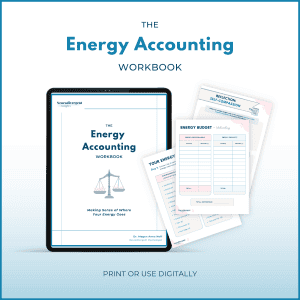
Energy Accounting System: Originally developed by Autistic advocate Maja Toudal during her teenage years, the energy accounting system serves as a tool to communicate her experience of being autistic and managing limited energy resources. This approach is akin to balancing a checkbook. Each activity is assigned an energy cost (deposit and input), and you “balance your checkbook” accordingly. Detailed instructions and an example of the energy accounting system can be found in the course materials.

The Traffic Light Pacing System
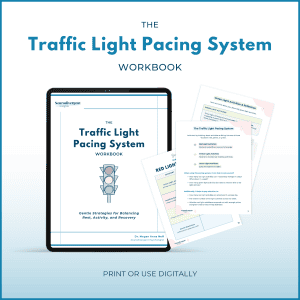
Traffic Light System: If you find yourself becoming fixated on numbers, the color pacing system might be more suitable. Consider trying the Green Light-Yellow Light-Red Light system.
✦ Red Light Activities: High-energy expenditure tasks
✦ Yellow Light Activities: Medium to neutral activities
✦ Green Light Activities: Restorative activities
With this system, you’ll learn to spot your “red light” activities and give them more space. You can balance them out by mixing in yellow and green light activities and by keeping an eye on how many red light activities you take on in a day or week.

Spoon Theory
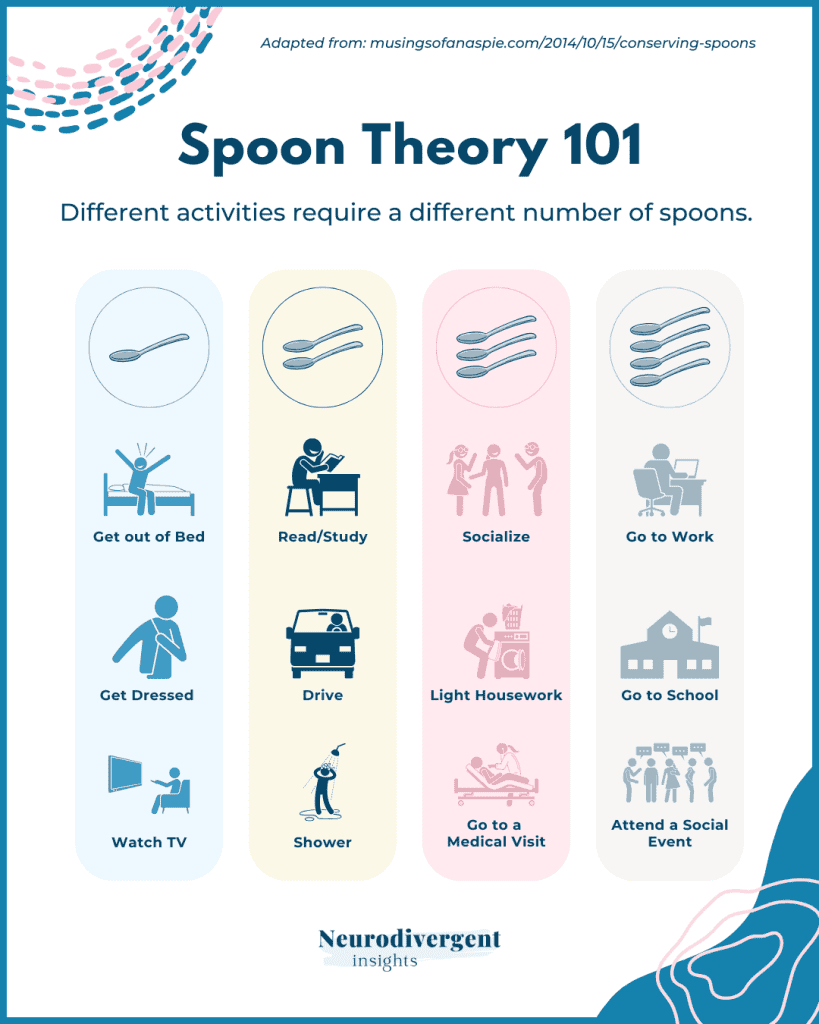
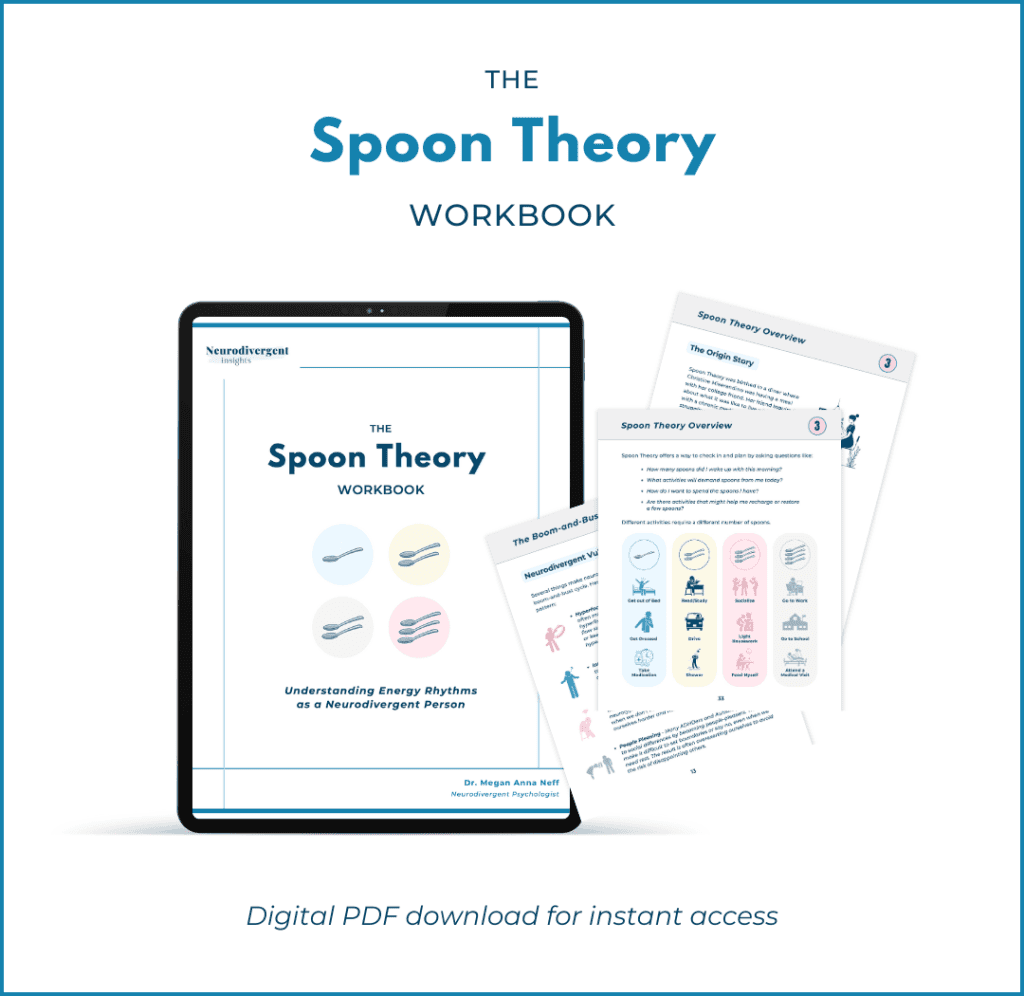
Spoons Theory: Developed by Christine Miserandino while explaining the impact of lupus on her energy and daily tasks, the Spoon Theory offers an analogy for individuals with chronic illnesses or invisible disabilities. In this concept, you start your day with a limited number of “spoons,” representing your energy units. Activities deplete these units, so you must consider how many “spoons” you have each day and allocate them wisely. To learn more about how to adapt spoon theory for neurodivergent people you can check out this article.
Top 3 Reasons Pacing Systems Work for ADHDers and Autistic People
- They turn something abstract, like “energy,” into something concrete and visual. Many pacing systems rely on visual metaphors, which work well for the neurodivergent mind. Talking about “spoons” or “energy units” provides a concrete concept to anchor the conversation.
- It provides language to talk with other people about our needs. Saying, “I am tired,” is vague. Creating language around energy accounting or energy units helps us communicate our needs to others, which is a foundational step in self-advocacy.
- It increases self-compassion: A pacing system encourages mindful check-ins. Having a pacing system in our life encourages us to check in with ourselves gently (“How am I doing right now? How much energy do I have? How much energy is this activity going to take? What do I need at this moment right now”). This sort of gentle, compassionate check fosters self-compassion.
How to Incorporate a Pacing System into Your Life?
Here are some basic steps for getting started with implementing a pacing system into your life:
1. Choose a system that fits you.
Spoon Theory, Energy Accounting, and the Traffic Light System each offer different ways to track energy. Pick the one that makes the most sense for your brain and preferences. If you’d like extra guidance, I’ve created fillable workbooks for each of these systems, available here.
2. Notice your energy patterns.
Do an inventory of what drains you and what restores you. Spend a few days tracking input and output so you understand your baseline.
3. Use the two-thirds principle.
Aim to do about two-thirds of what you think you can in a day. This helps reduce crashes and builds in recovery space.
4. Create a flexible rhythm.
Design a daily or weekly schedule that balances high-, medium-, and low-energy activities. Include rest and self-care as part of the plan, not as extras.
5. Check in and adjust.
Pause during the day to notice your energy. Be flexible — your needs will shift with stress, health, and routine changes. Reflect as you go so you can fine-tune over time.
Conclusion
In conclusion, neurodivergent people often have different ways of processing information, managing energy, and engaging with the world around them. The current societal norms of productivity and efficiency do not consider these individual differences, leading to a cycle of overexertion and burnout followed by low energy and disengagement periods. This cycle leaves neurodivergent individuals vulnerable to burnout and can significantly harm their mental and physical well-being.
It is crucial to recognize our energy limits and learn how to work with our natural energy rhythms to break this cycle. Pacing systems can help us better conceptualize energy units in and energy units out. This approach can offer a tangible avenue to discuss our energy levels and limitations, which ultimately helps us assert ourselves.
By acknowledging our energy limits and learning to work with our innate rhythms and patterns, we can recover from burnout and build a more sustainable life for ourselves.
Follow-Up Resources

Stay in the Neurodivergent Loop
For ongoing insights and updates, subscribe to the Neurodivergent Insights Newsletter. Each Sunday, I send out fresh thoughts and a roundup of the newest resources on topics related to neurodivergence, mental health, and wellness. My most personal writing is reserved for my newsletter, and subscribers also get access to the newsletter vault (12+ PDFs) when they join.