
Welcome back to our mini-series on cultivating sensory safety. Over the last few posts, we’ve explored what sensory regulation is, why it matters for self-regulation, and how building a sensory safety plan cancan support everyday life.
Today, we’re circling back to one of my favorite topics—developing a sensory lens. This is the practice of viewing our daily experiences through an awareness of how our senses impact us. We’ll talk about practical ways to nurture that lens—like trying sensory diets, using sensory checklists, and getting curious about your own sensory preferences.
For me, this didn’t click until I was 37. That’s when I realized just how much my sensory world was shaping my days, my energy, and my relationship with my body. Learning to honor my sensory needs wasn’t just about comfort—it was about self-trust and healing.
So in this post, we’ll explore:
What a sensory lens is (and why it’s powerful)
Ways to develop a sensory lens
Sensory preference checklists
Strategies for exploring your own sensory profile
Let’s dive in.
Table of Contents
What is a Sensory Lens?
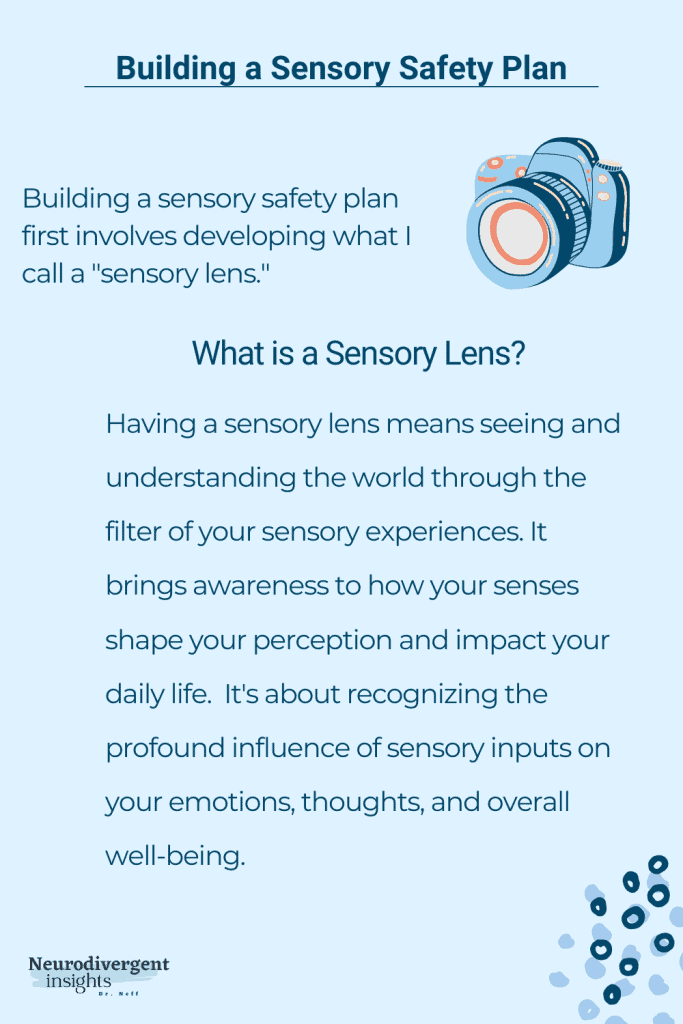
As we keep exploring what it means to cultivate sensory safety, one of the most important pieces is developing a sensory lens. But what do I mean by that?
I think of a sensory lens like a unique pair of glasses—ones that help you notice how your sensory world shapes your day-to-day life. It’s a way of tuning in to how sound, light, texture, movement (and so much more) influence your energy, emotions, and sense of ease in the world.
For many neurodivergent people, building a sensory lens can be a turning point. Years of masking or pushing through discomfort often leave us disconnected from our own bodies, unsure of what truly feels supportive or overwhelming.
A sensory lens helps us reconnect, giving us language and awareness to name our preferences and needs, both the ones we’ve always had, and the ones we may only just be discovering.
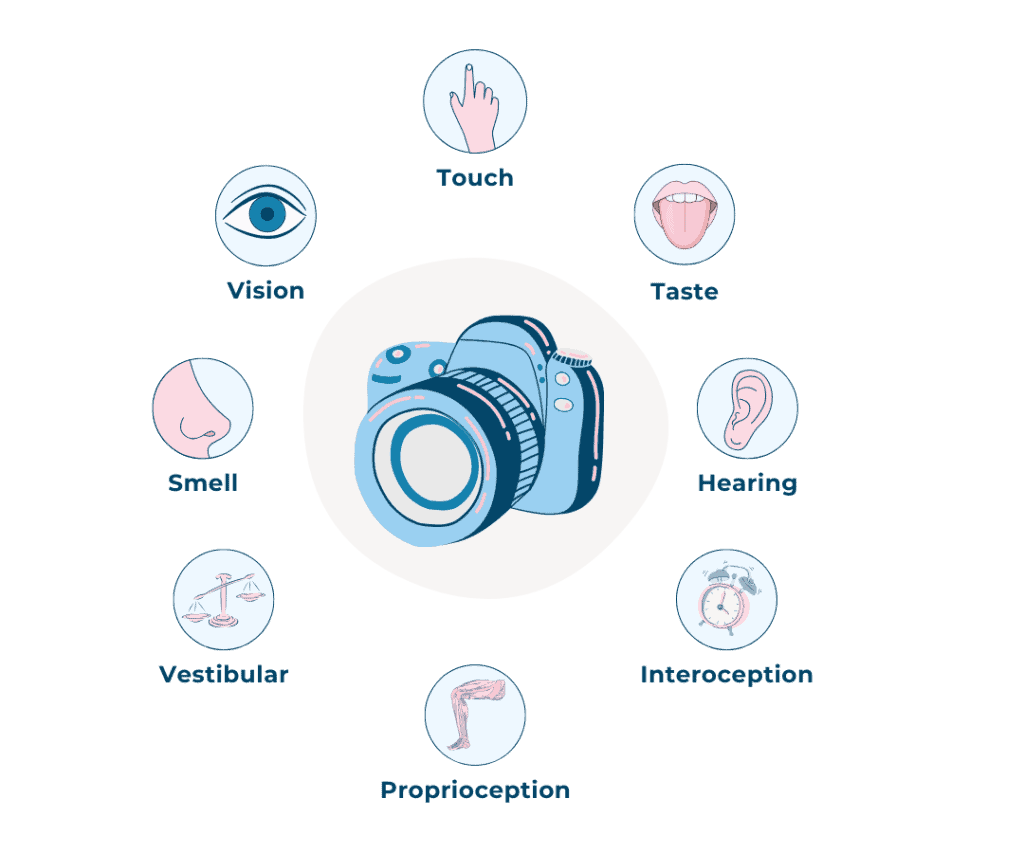
That’s why it’s worth taking the time to really get to know our sensory world. It’s a process of gentle self-discovery — peeling back the layers, noticing the small details, and getting curious about what feels supportive and what doesn’t. This kind of exploration becomes the foundation for a sensory safety plan that’s truly ours, shaped around the way our body and brain experience the world.
How to Develop a Sensory Lens?
Developing a sensory lens is something we grow into over time. It’s part self-reflection, part exploration, and part paying closer attention to how our senses are showing up in everyday life. It’s about learning to tune in — to notice how sound, light, texture, movement, and other sensory inputs are shaping our energy, our focus, and how we experience the world.
Here are a few ways to start developing your own sensory lens:
- Cultivate self-awareness
Start by noticing your sensory world with curiosity. How do different sounds, textures, smells, tastes, and visuals land in your body? Do they lift your energy, drain it, calm you, or overwhelm you? Pay attention to the shifts—emotional, mental, and physical—that happen in response to sensory input. - Keep a sensory journal
Writing things down can help make patterns visible. Try jotting notes in a sensory journal about what feels supportive, what feels challenging, and what consistently impacts your mood or energy. Over time, you’ll start to see connections that might otherwise stay hidden. - Engage in mindful practices
Simple mindfulness tools—like slow breathing, body scans, or grounding exercises—can help you tune into the present moment and your senses. Mindfulness isn’t about forcing calm; it’s about noticing what’s here and giving yourself space to respond instead of react. - Experiment with sensory activities
Give yourself permission to play and explore. You might listen to different kinds of music, spend time in nature, try tactile activities, or explore new scents. Notice how each one feels in your body, and keep track of which experiences you’d like more (or less) of in your day. - Implement a sensory diet
A sensory diet is a personalized set of sensory activities woven into your daily routine to help you feel balanced and supported. It might include movement breaks, fidget tools, or access to calming environments. If you can, work with an occupational therapist or sensory specialist to tailor it to your needs—but you can also start experimenting on your own.
Developing a sensory lens is personal work, and it looks different for everyone. Give yourself space to move at your own pace, and meet the approach the process with a spirit of curiosity. Over time, you’ll start to see the patterns and preferences that make up your sensory world, and that awareness can help you create spaces that feel supportive, safe, and nourishing.
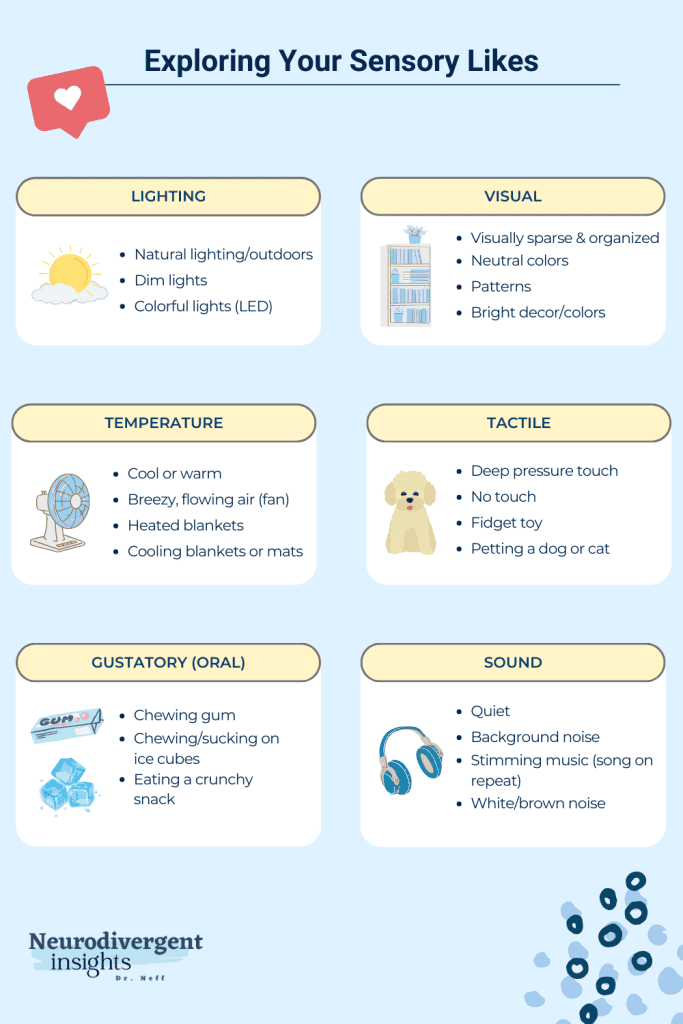
Sensory Preference Checklist
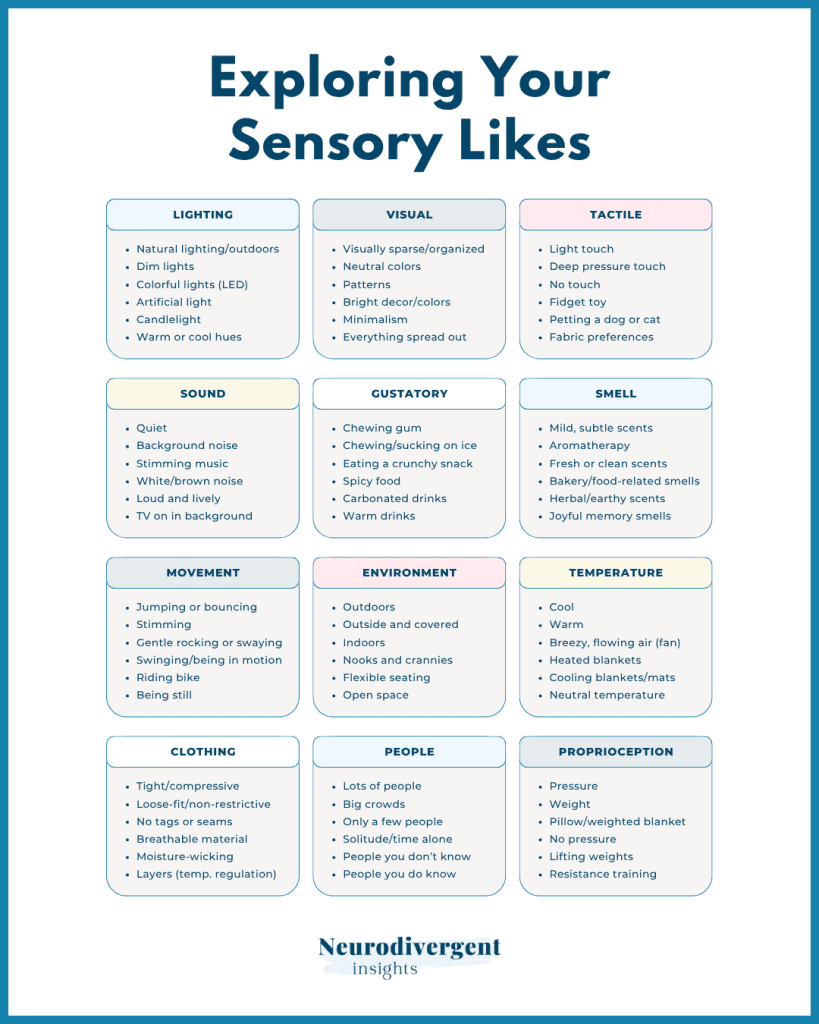
When I first started paying attention to my sensory world, the sensory preference checklist was one of the most helpful tools I found. Back then, I often felt disconnected from my body and unsure what I actually enjoyed or needed. Seeing a list of possibilities gave me something concrete to work with—it helped me notice things I hadn’t realized were part of my sensory experience.
A sensory checklist is just what it sounds like: a list of sensory experiences, grouped by sense, that you can look through and see what resonates. It’s less about checking every box and more about noticing what feels good, grounding, or energizing.
As you move through a sensory checklist, you might realize certain textures help you settle, certain sounds help you focus, or certain scents make you feel more alive. Over time, that awareness can help you intentionally weave more of those supportive experiences into your day.
Identify Your Sensory Preferences
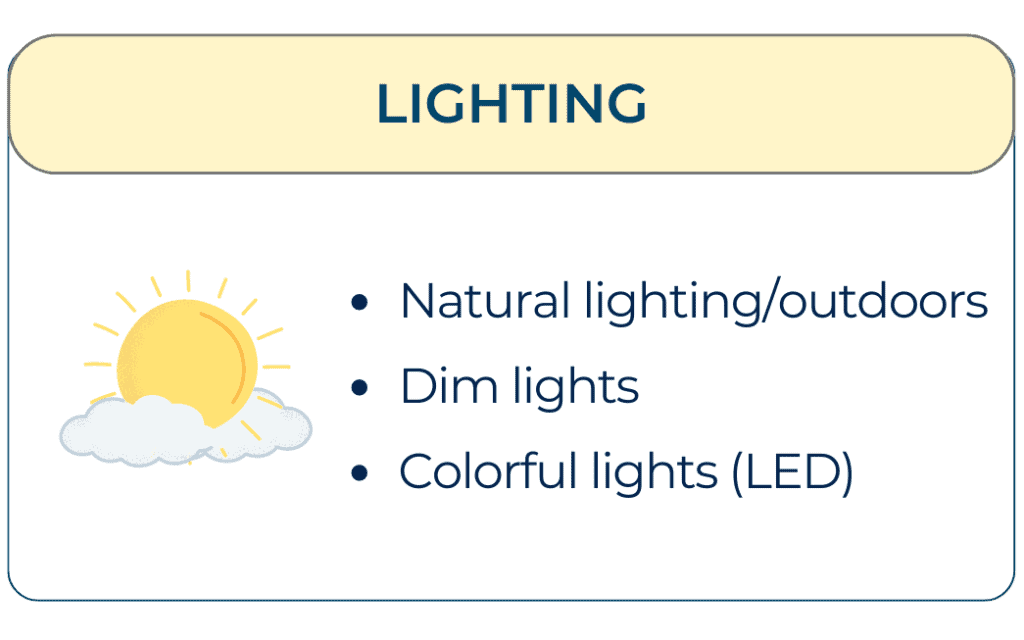
Sensory Preference Checklist: Lighting
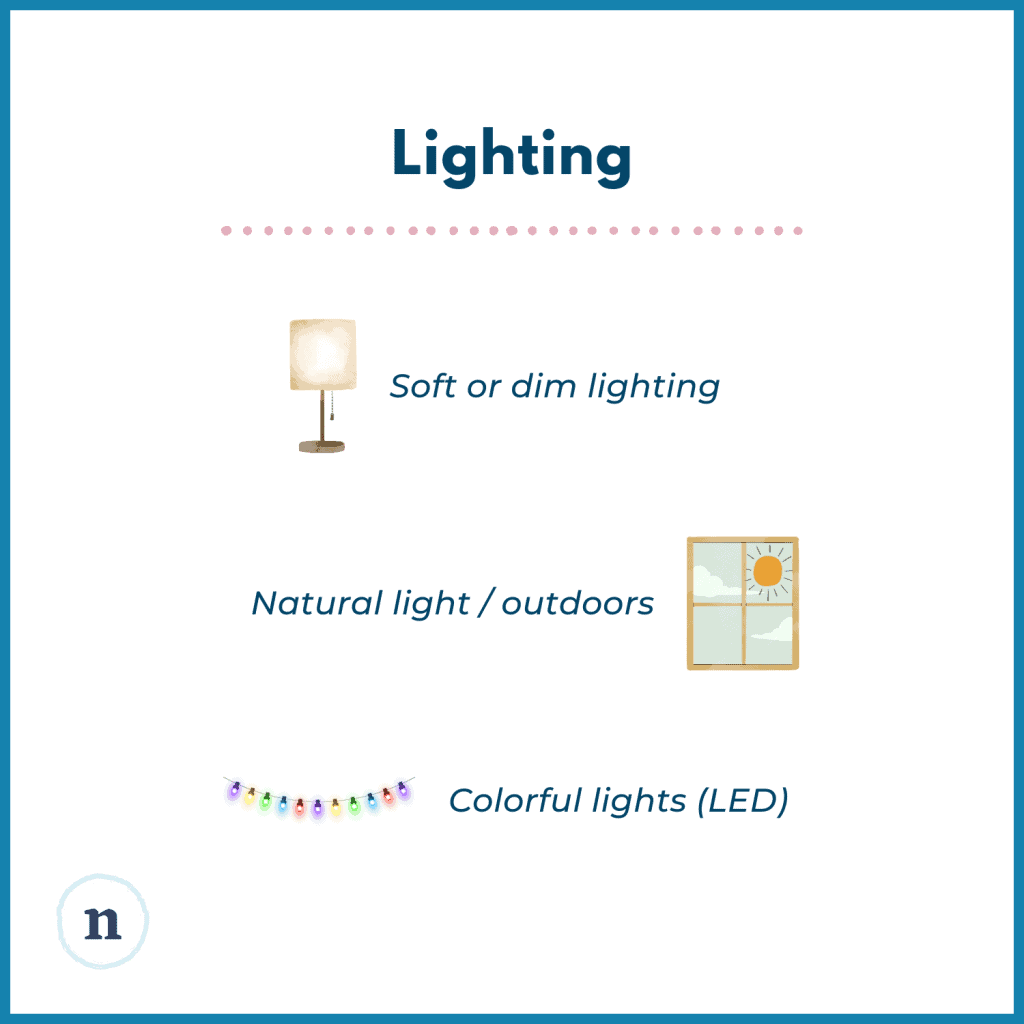
When exploring your lighting preferences, notice how different types of light affect you. Do you feel most at ease in the warm glow of natural sunlight, or do you prefer the cozy ambiance of dim lighting? Are you drawn to colorful lights that bring joy or visual interest?
Also pay attention to how your preferences shift depending on the activity—what works for studying might be different from what feels good for socializing or resting. Understanding your lighting needs can help you create spaces that feel both visually comfortable and supportive of your well-being.
☐ Natural lighting – Warm sunlight that can feel calming, uplifting, and mood-boosting.
☐ Dim lighting – Soft, low light that creates a cozy, relaxing atmosphere and can reduce sensory overload.
☐ Bright lighting – Clear, well-lit spaces that can promote alertness, focus, and energy.
☐ Artificial light – Standard indoor lighting (fluorescent or incandescent) for consistent, reliable illumination.
☐ Colorful lighting (LED) – Customizable colors that create a vibrant or playful atmosphere.
☐ Moderate lighting – Balanced light that’s neither too bright nor too dim; comfortable for most activities.
☐ Warm/yellow light – Cozy, inviting tones that can promote comfort and relaxation.
☐ Cool/white light – Bright, daylight-like tones that can feel energizing and support focus.
☐ Other: ______________________
Sensory Preference Checklist: Visual
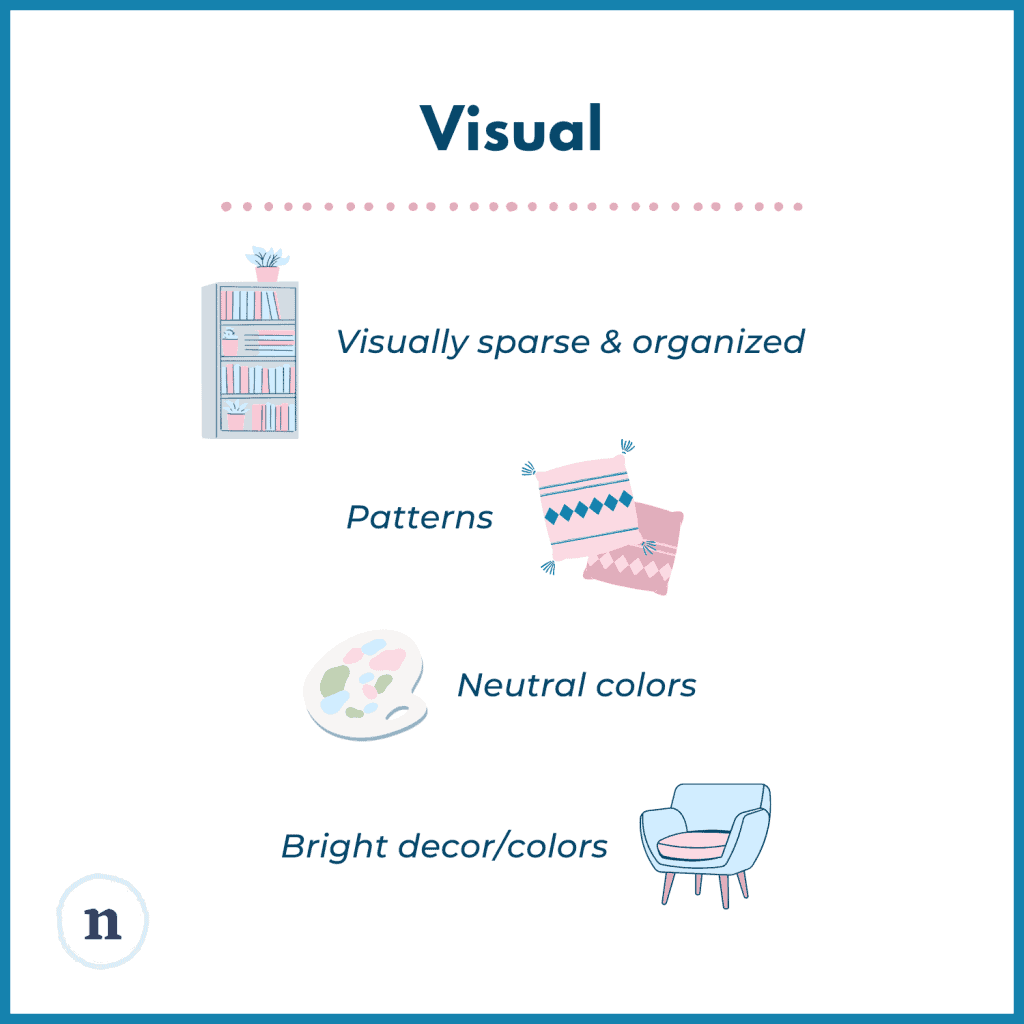
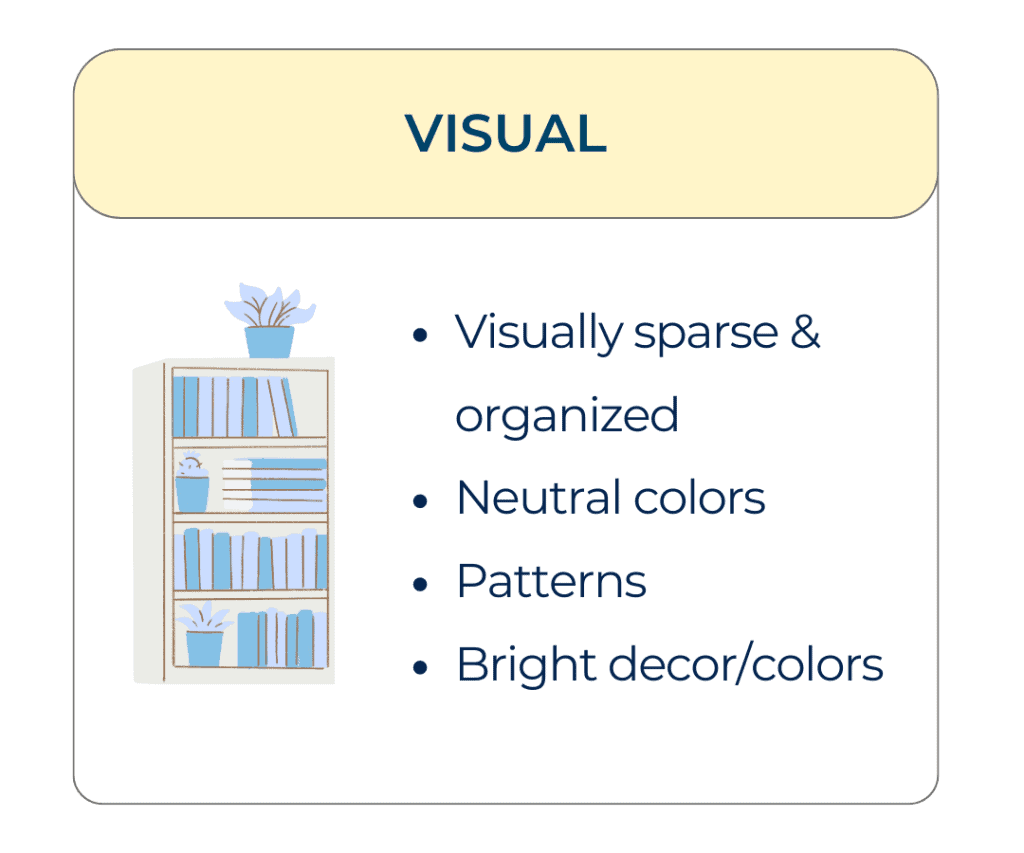
Consider the visual elements that help you feel calm, focused, or inspired. This might include the colors around you, the level of organization, the presence (or absence) of patterns, or how open or full a space feels. Noticing these preferences can help you shape an environment that supports your energy and well-being.
☐ Visually sparse & organized – Minimal, tidy spaces with few distractions.
☐ Neutral colors – Soft palettes like white, beige, or gray for a calming atmosphere.
☐ Vibrant colors – Bold, bright tones that feel energizing and stimulating.
☐ Patterns & bright décor – Intricate designs or visually stimulating decorations.
☐ Solid colors – Simple, uniform colors without patterns for visual calm.
☐ Minimalism – Clean lines and uncluttered spaces that promote serenity.
☐ Everything visible – Items displayed or spread out for easy access and a sense of control.
☐ No strong preference – Comfort in a variety of visual environments.
☐ Other: ______________________
Sensory Preference Checklist: Tactile
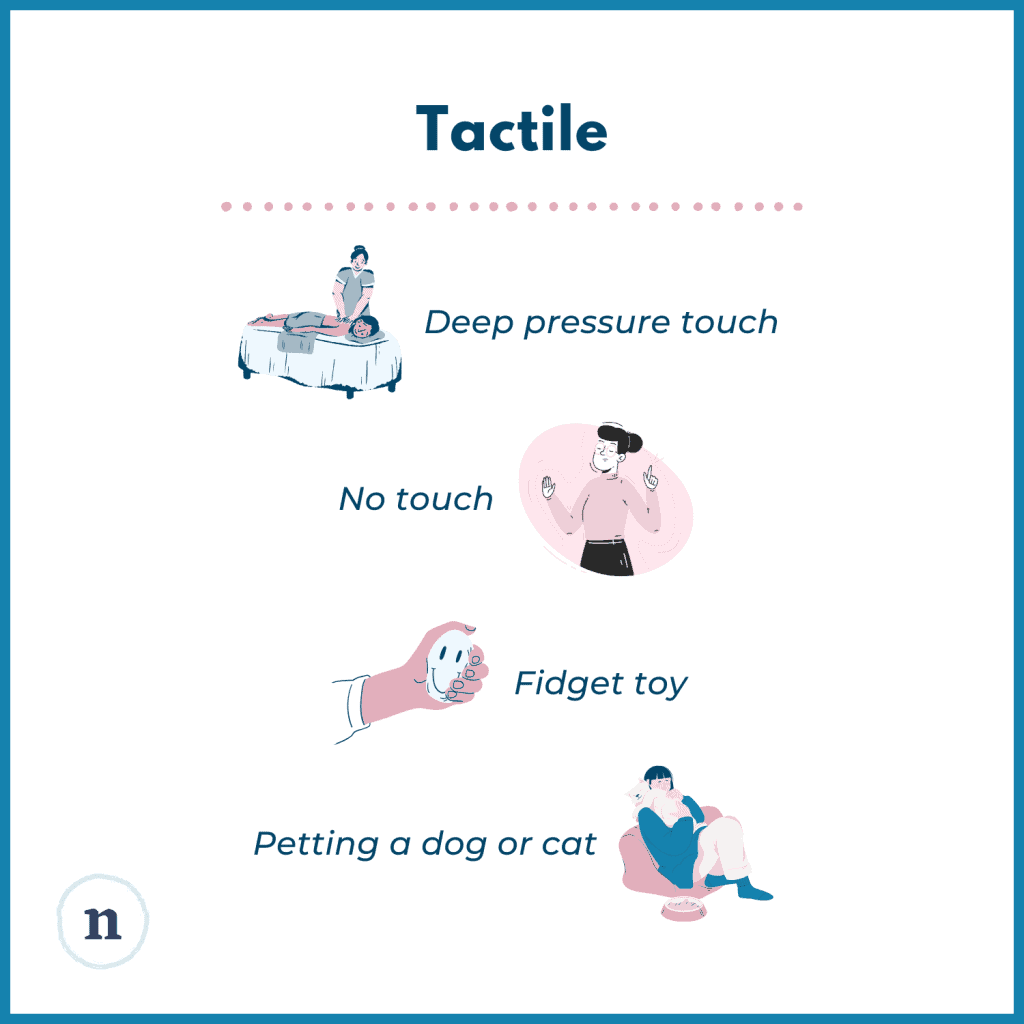
Consider the types of touch that feel good to you—and the ones that don’t. This might include different textures, temperatures, or kinds of physical contact. Some people seek out touch for comfort, while others prefer little to no tactile input. Everyone’s tactile preferences are unique, so give yourself space to explore what feels calming, grounding, or pleasantly stimulating, and look for ways to bring those experiences into your daily life.
☐ Light touch – Gentle, feather-like contact on the skin.
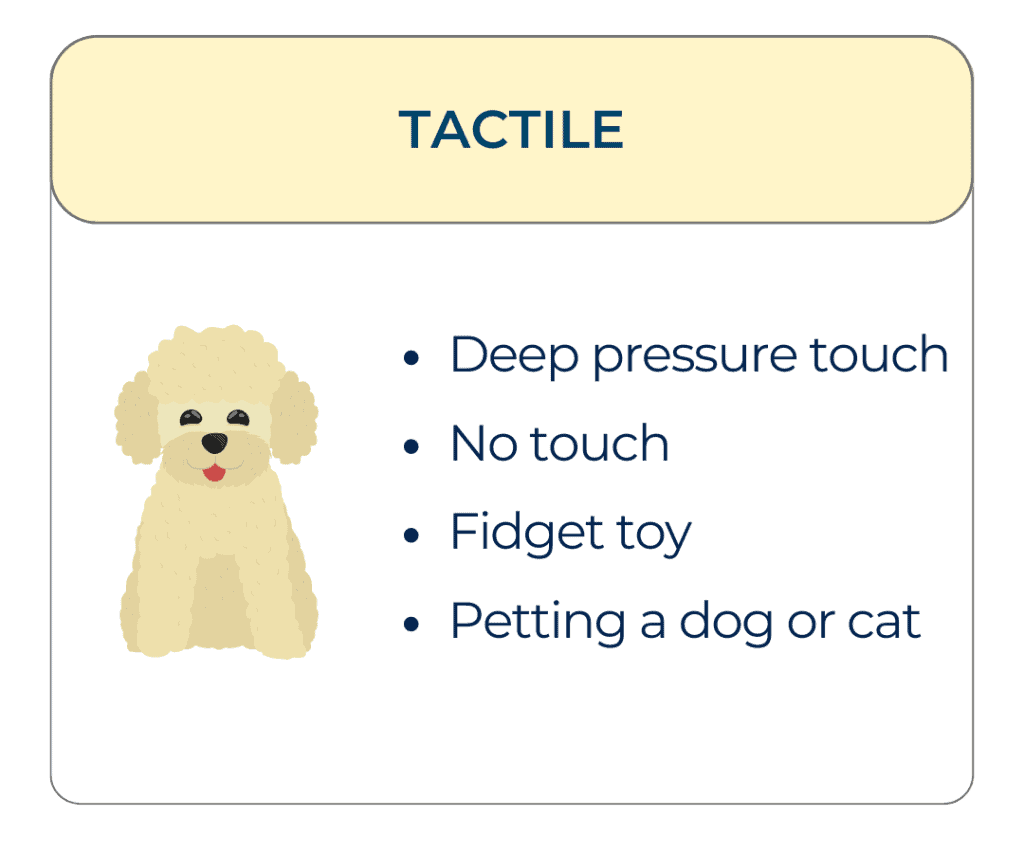
☐ Deep pressure – Firm input like hugs, squeezes, or weighted blankets.
☐ No touch – Preference for minimal or no physical contact.
☐ Twirling hair – Repetitive hair play for comfort or self-soothing.
☐ Fidget toys – Stress balls, textured objects, or other tactile tools.
☐ Massage – Professional or personal massage for relaxation and grounding.
☐ Petting animals – Stroking a dog, cat, or other pet for comfort.
☐ Warm bath/shower – Soothing warmth and gentle water pressure.
☐ Rubbing/picking clothes – Touching fabrics as a form of regulation.
☐ Soft textures – Plush, fuzzy, or cushioned materials.
☐ Smooth textures – Glass, silk, polished wood, or similar surfaces.
☐ Specific fabrics – Preference for certain textiles like silky, fuzzy, or textured materials.
☐ Other: ______________________
Sensory Preference Checklist: Sound
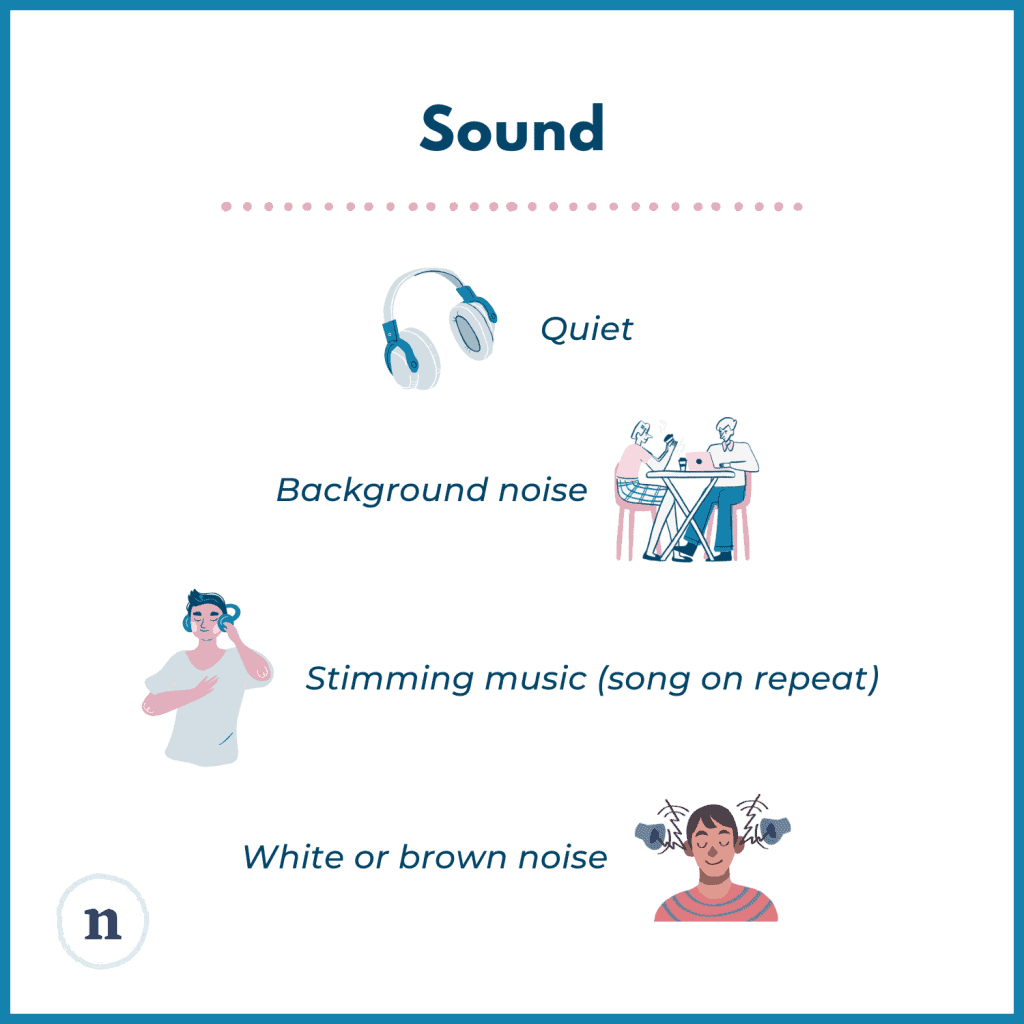
Consider how different sound environments affect your energy, focus, and sense of comfort. You might feel most at ease in silence, prefer steady background noise, or seek out certain sounds for stimulation or relaxation. Noticing these preferences can help you create an auditory environment that supports your well-being.
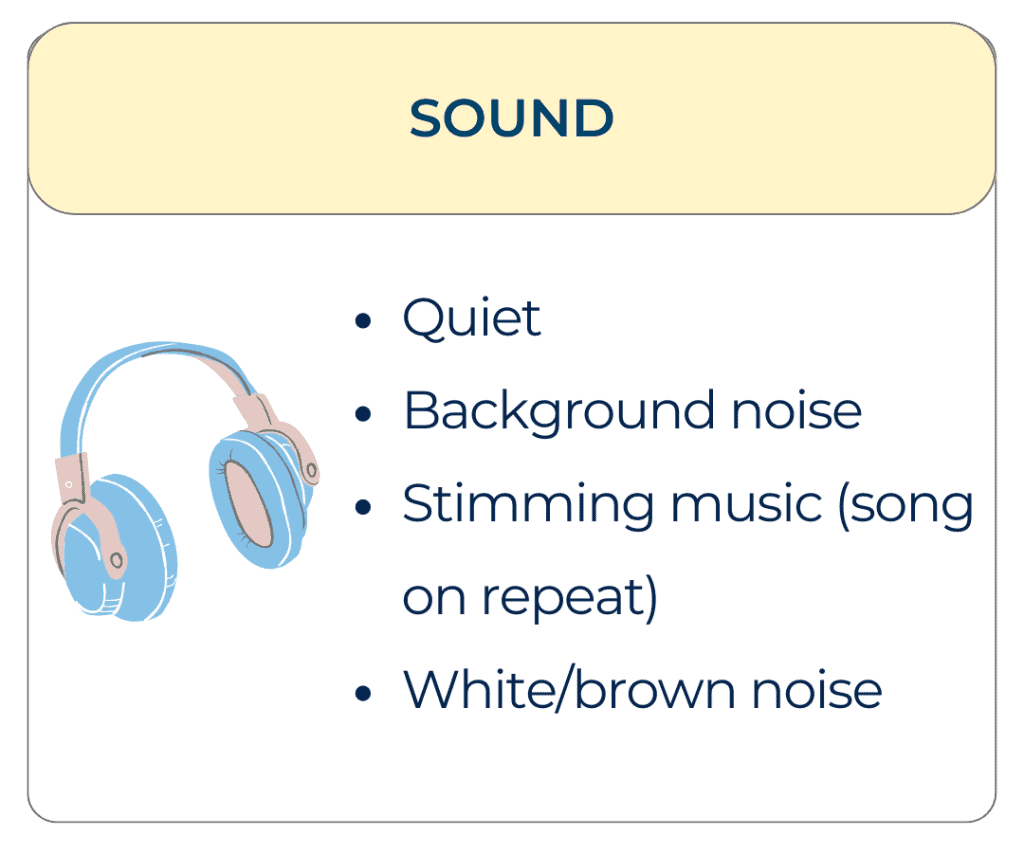
☐ Quiet – Calm, low-noise spaces free from distractions.
☐ White/Brown noise – Steady background sound to mask other noises.
☐ Loud & lively – Energetic, vibrant environments with lots of sound.
☐ Music/ambient sounds – Soft music, nature sounds, or other audio backdrops.
☐ Television background – TV on for familiarity and comfort.
☐ No preference – Comfortable in a variety of sound environments.
☐ Other: ______________________
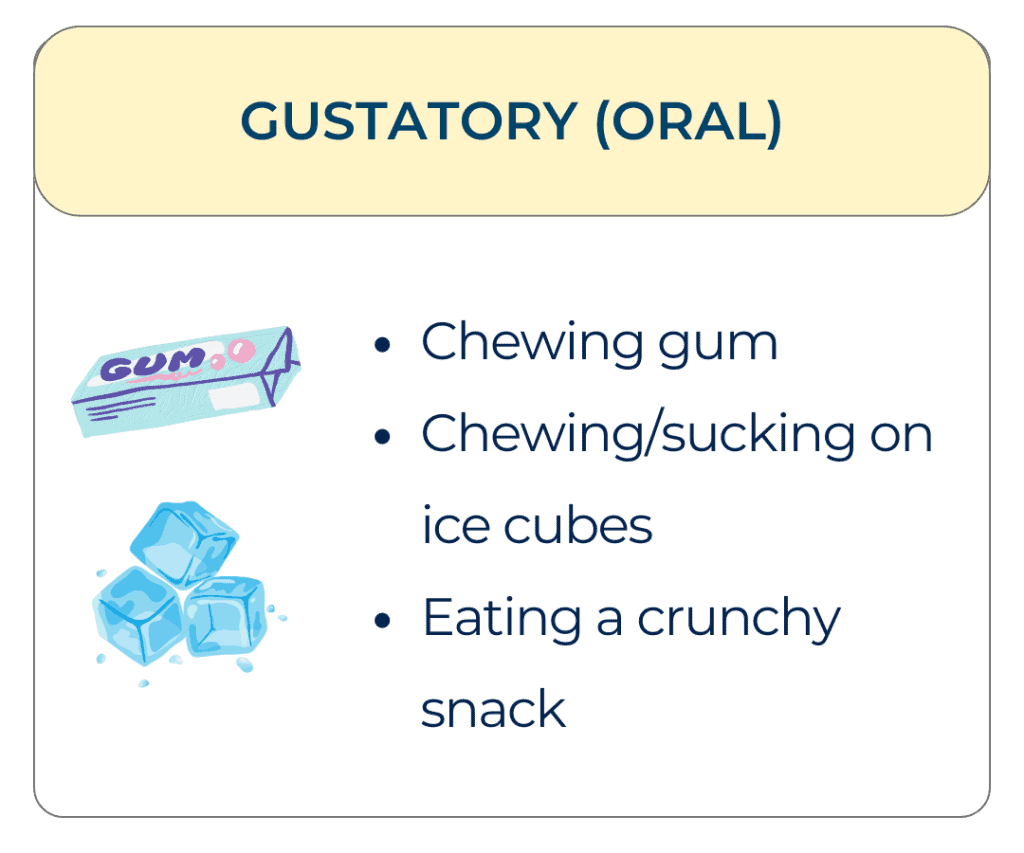
Sensory Preference Checklist: Taste
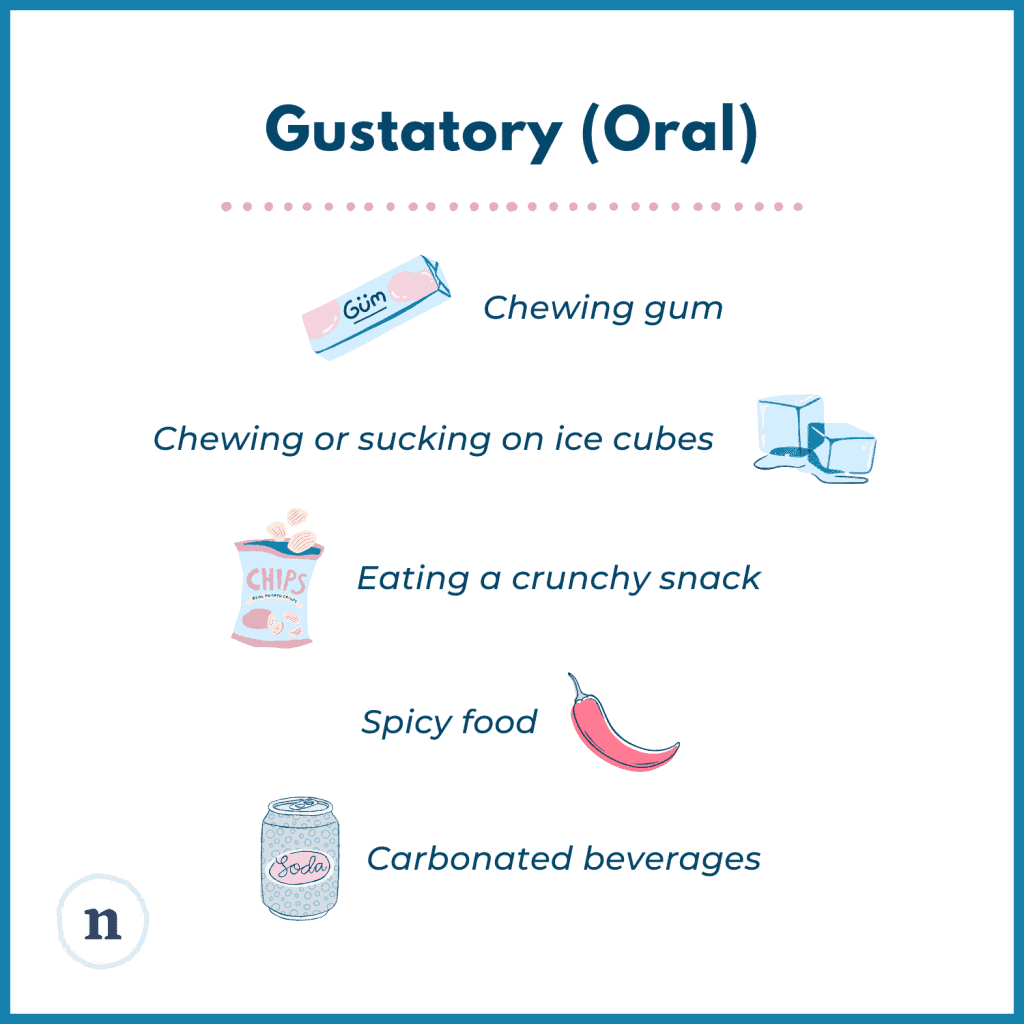
Be mindful of the tastes and textures you’re drawn to, and notice which ones bring comfort, stimulation, or grounding. Incorporating foods and drinks that support your sensory preferences into your daily routines can be a simple way to enhance well-being.
☐Chewing gum – Provides steady oral input and can support regulation.
☐ Crunchy snacks – Crisp textures that offer satisfaction and stimulation.
☐ Chewing on straws – Oral input that can feel soothing or grounding.
☐ Lip or cheek habits – Sucking, biting, or pressing lips/cheeks for sensory input.
☐ Chewing ice – Cooling, refreshing, and grounding sensation.
☐ Spicy foods – Bold flavors for stimulation and sensory seeking.
☐ Warm beverages – Comforting warmth from tea, coffee, or similar drinks.
☐ Carbonated drinks – Effervescence and bubbles for a unique sensory experience.
☐ Other: ______________________
Sensory Preference Checklist: Smell
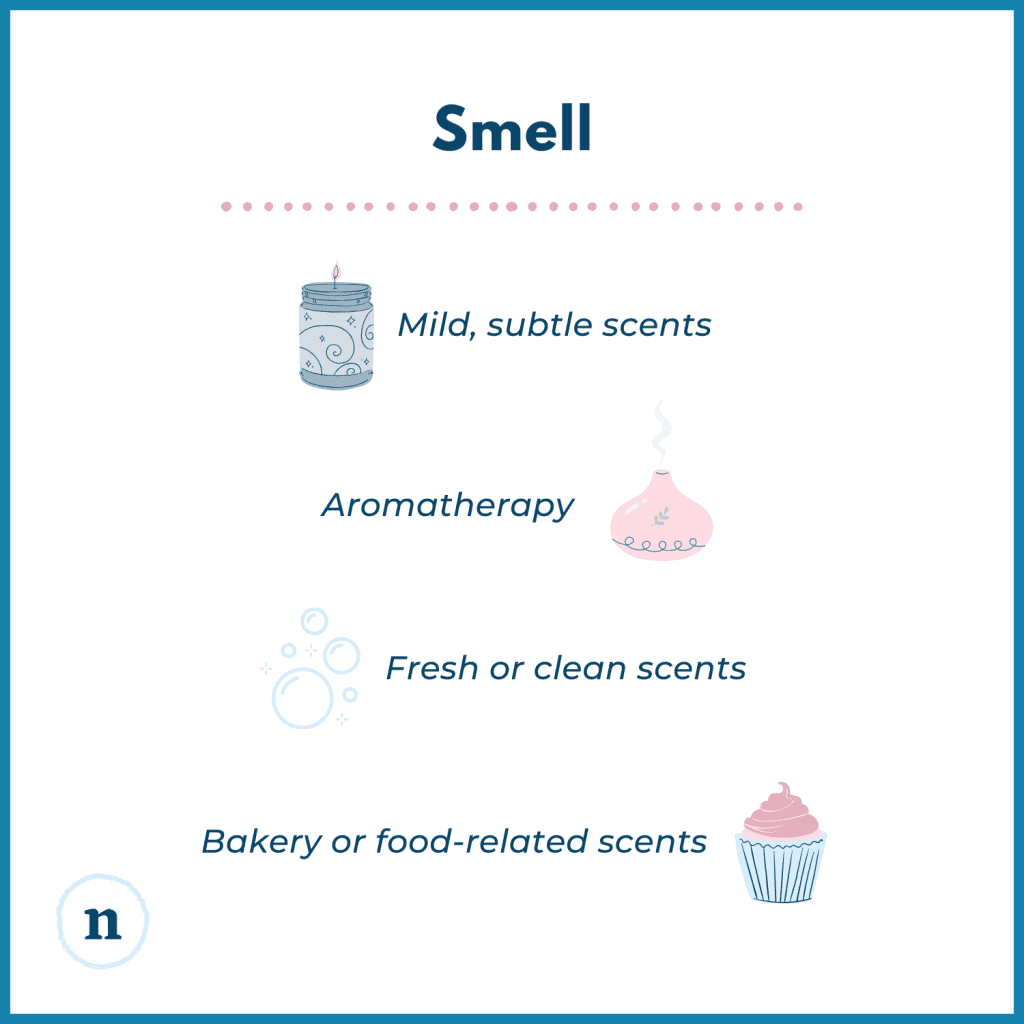
Consider the scents that bring you comfort, calm, or joy. Notice which fragrances feel grounding, energizing, or uplifting, and look for ways to weave them into your environment to support your sensory well-being.
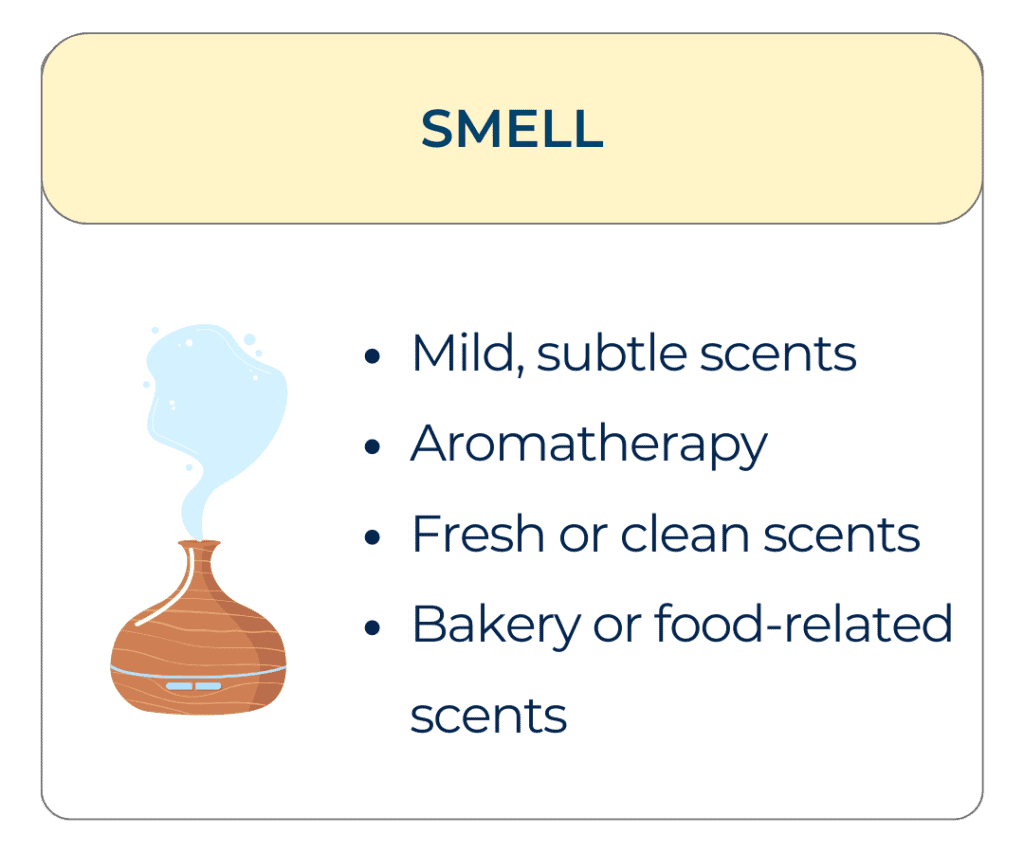
☐ Mild/subtle scents – Gentle fragrances that are not overpowering.
☐ Fresh/clean smells – Scents like fresh laundry, soap, or a clean breeze.
☐ Citrus/fruity scents – Bright aromas from citrus or other fruits.
☐ Bakery/food scents – Warm aromas of baked goods, cooking, or specific foods.
☐ Herbal/earthy scents – Aromas from herbs, plants, or natural earthy notes.
☐ Aromatherapy scents – Lavender, eucalyptus, or other therapeutic fragrances.
☐ Natural scents – Floral notes, fresh-cut grass, or the smell of trees.
☐ Memory-linked scents – Fragrances tied to joyful or meaningful memories.
☐ Other: ______________________
Sensory Preference Checklist: Proprioception
Understanding your proprioceptive preferences—the ways you seek or avoid pressure, weight, and movement—can help you create an environment that supports regulation and comfort. Notice which activities or items feel grounding, stabilizing, or soothing, and which ones you’d rather avoid.
☐ Lift weights – Resistance training or weightlifting for deep pressure and body awareness.
☐ Pressure – Firm hugs, compression garments, or other steady input.
☐ Weight – Enjoying the sensation of added weight from blankets, clothing, or carrying objects.
☐ Pillow/weighted blanket – Gentle, even pressure for comfort and security.
☐ No pressure – Preference for lighter touch and avoiding heavy or compressive input.
☐ Other: ______________________
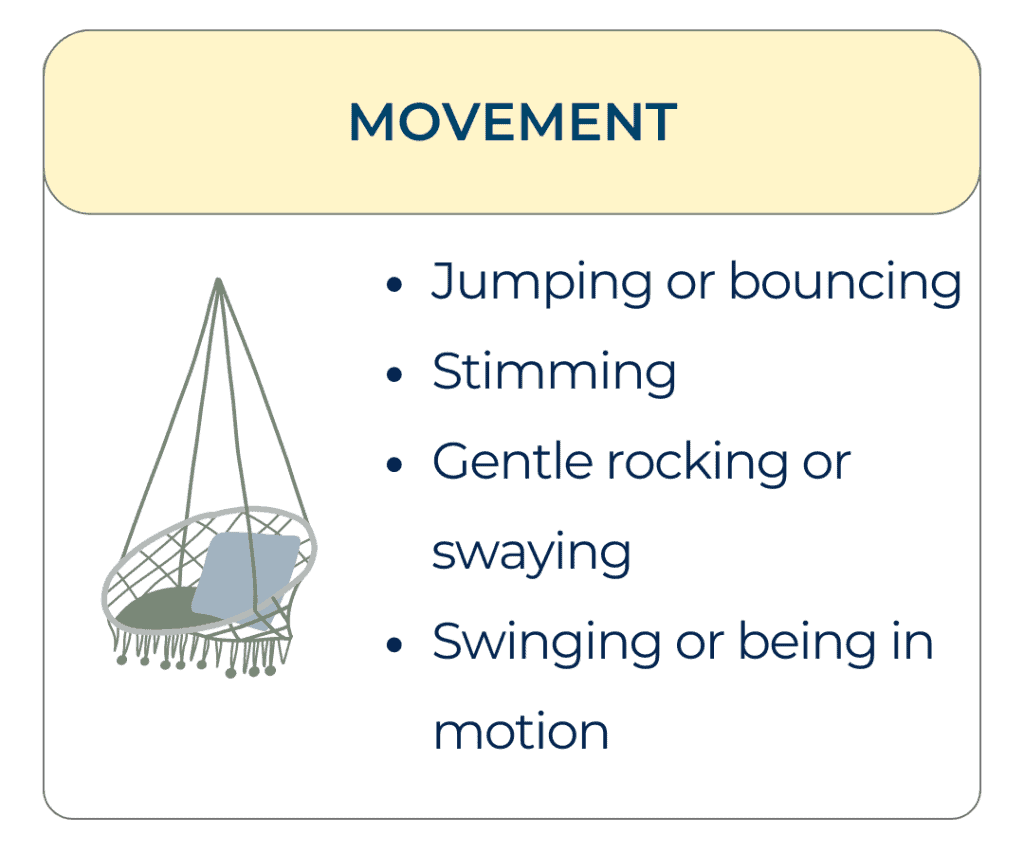
Sensory Preference Checklist: Movement
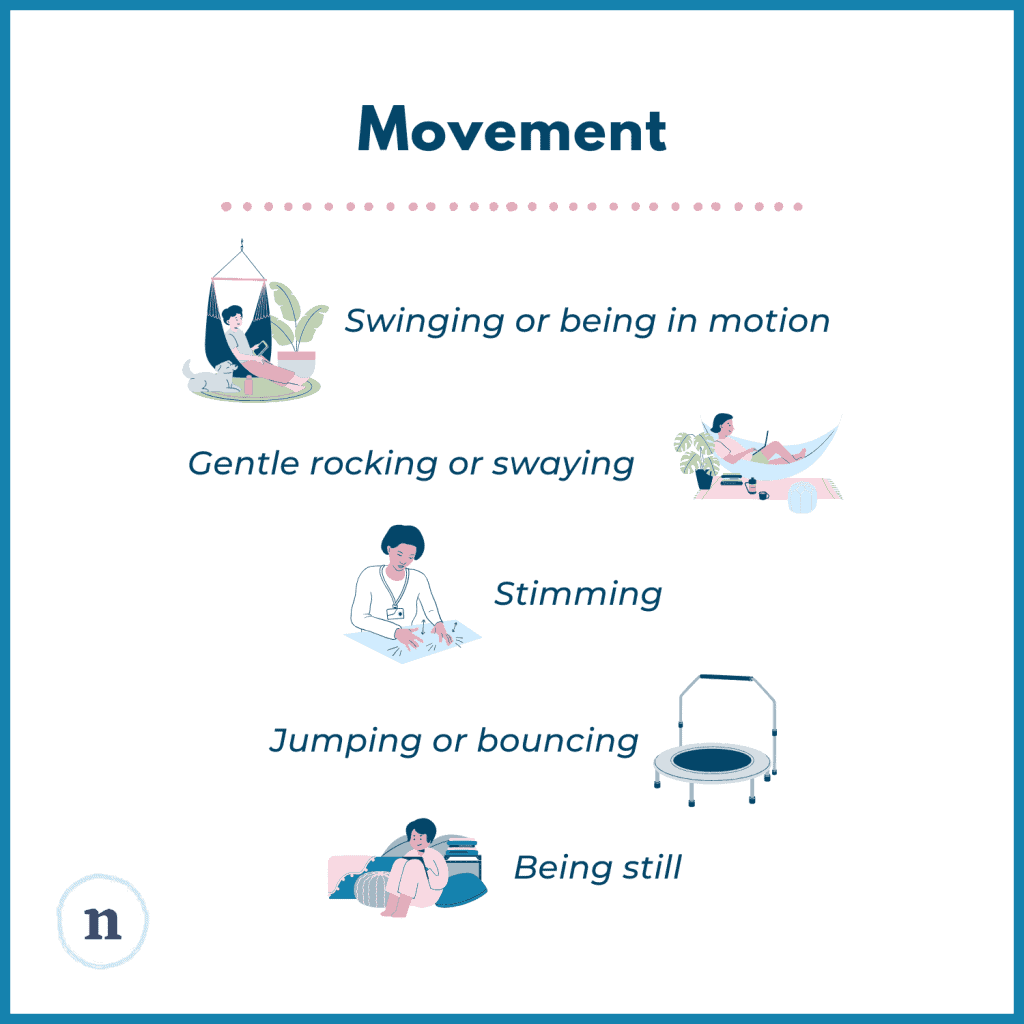
Recognizing your movement preferences can help you choose activities that support sensory regulation and comfort. Notice which types of movement feel soothing, energizing, or grounding, and which ones you naturally seek or avoid.
☐ Rocking – Rhythmic motion for calming and grounding.
☐ Rocking chair – Repetitive back-and-forth movement for relaxation.
☐ Swaying – Gentle, side-to-side motion (self-initiated or with a swing/hammock).
☐ Riding a bike – Cycling for rhythmic movement and physical activity.
☐ Being still – Preference for minimal movement and static posture.
☐ Other: ______________________
Sensory Preference Checklist: Environment
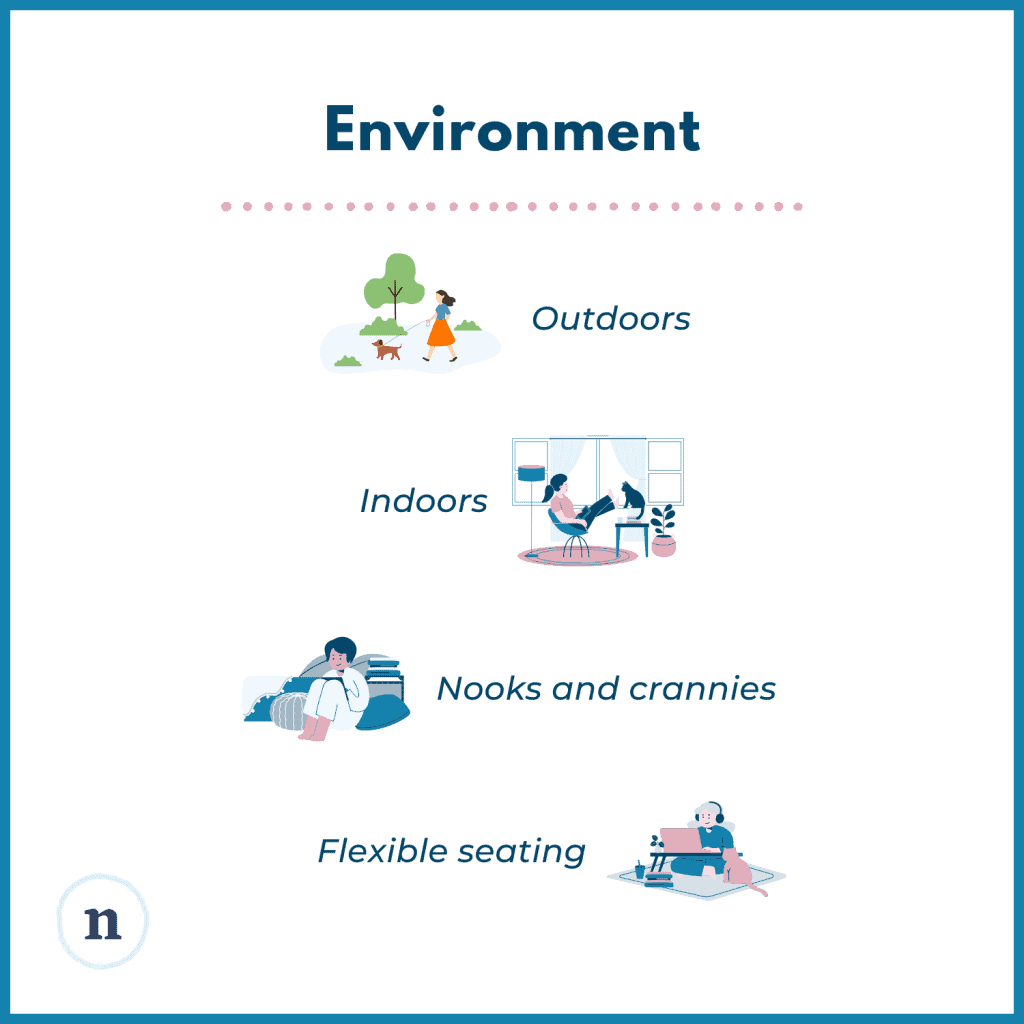
Pay attention to the spaces where you feel most comfortable and at ease. Your surroundings, whether expansive or enclosed, outdoors or indoors, can play a key role in supporting sensory well-being.
☐ Outdoors – Nature, fresh air, and open environments that feel calming or invigorating.
☐ Indoors – Controlled environments that offer stability and comfort.
☐ Outside & covered – Outdoor settings with shade or shelter for balance and flexibility.
☐ Nooks & crannies – Small, cozy, tucked-away spaces that feel safe and calming.
☐ Open space – Expansive environments with room to move and breathe.
☐ No preference – Comfort in a variety of settings.
☐ Other: ______________________
Sensory Preference Checklist: Temperature

Understanding your temperature preferences can help you create a more comfortable and supportive sensory environment. Adjusting settings, clothing, and surroundings to match these needs can promote comfort, regulation, and overall well-being.
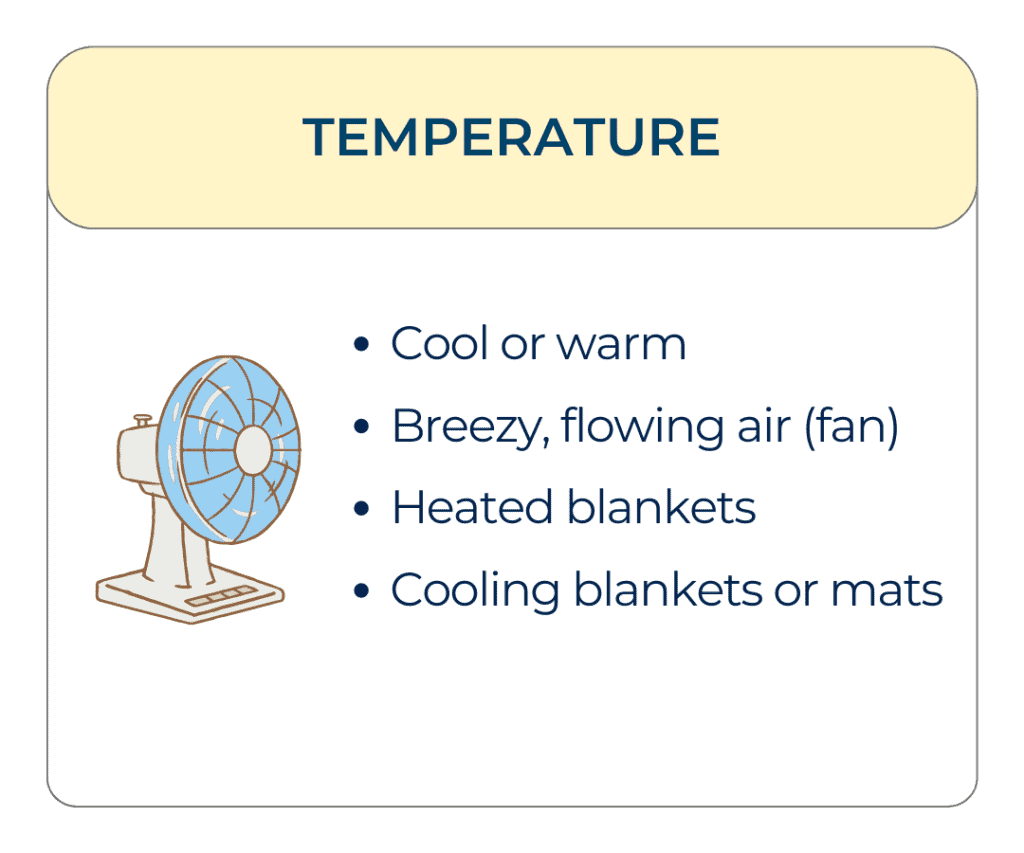
☐ Cool – Comfort in cooler environments, reducing overwhelm and promoting calm.
☐ Warm – Preference for warmth and coziness, often with blankets or heated pads.
☐ Breeze/airflow – Enjoyment of gentle air movement from windows, fans, or outdoor breezes.
☐ Neutral temperature – Balanced, moderate conditions that feel just right.
☐ No preference – Comfortable across a range of temperatures.
☐ Other: ______________________
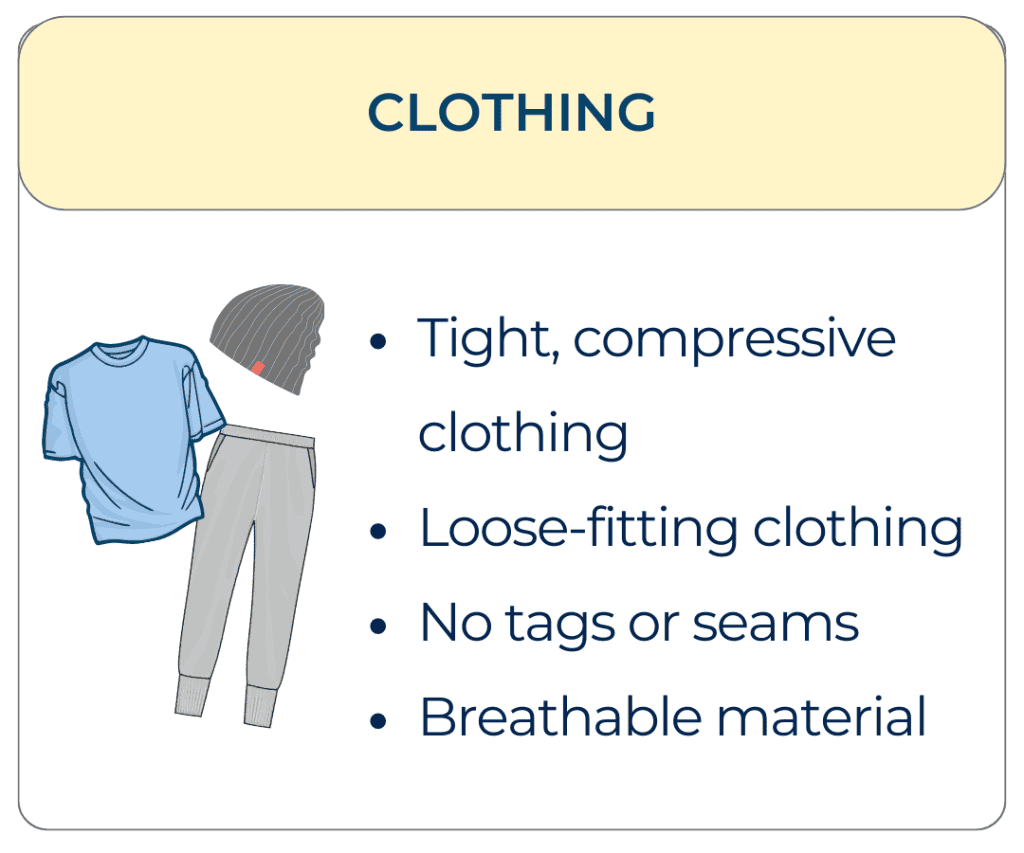
Sensory Preference Checklist: Clothing
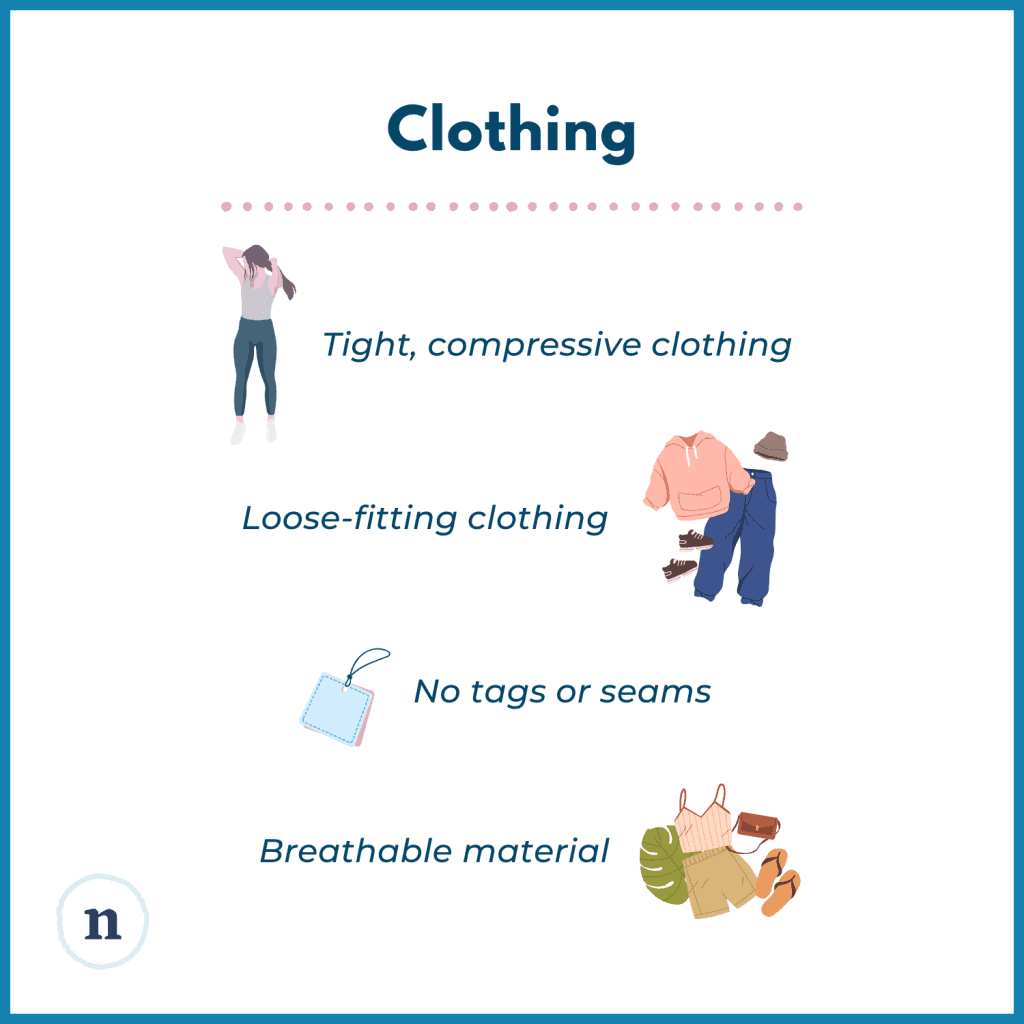
Understanding your clothing preferences can help you build a wardrobe that feels comfortable, supportive, and aligned with your sensory needs. Pay attentions to which fabrics, fits, and features feel most comfortable.
☐ Compression garments – Gentle, steady pressure for sensory regulation.
☐ Breathable materials – Fabrics like bamboo or linen for airflow and comfort.
☐ Soft textures – Cozy fabrics such as velour or fleece for soothing touch.
☐ Non-irritating fabrics – Organic cotton, modal, or hypoallergenic materials.
☐ Adjustable closures – Velcro, snaps, or other customizable fastenings.
☐ Stretchy/flexible clothing – Ease of movement and reduced restriction.
☐ Weighted clothing – Garments that provide steady, grounding pressure.
☐ Moisture-wicking fabrics – Keeps skin dry and comfortable.
☐ Non-restrictive waistbands – Avoids elastic or tight waistbands.
☐ Layering options – Flexible outfits for changing temperatures.
☐ Odor-resistant/hypoallergenic – Reduces irritation and discomfort.
☐ Other: ______________________
Sensory Preference Checklist: People
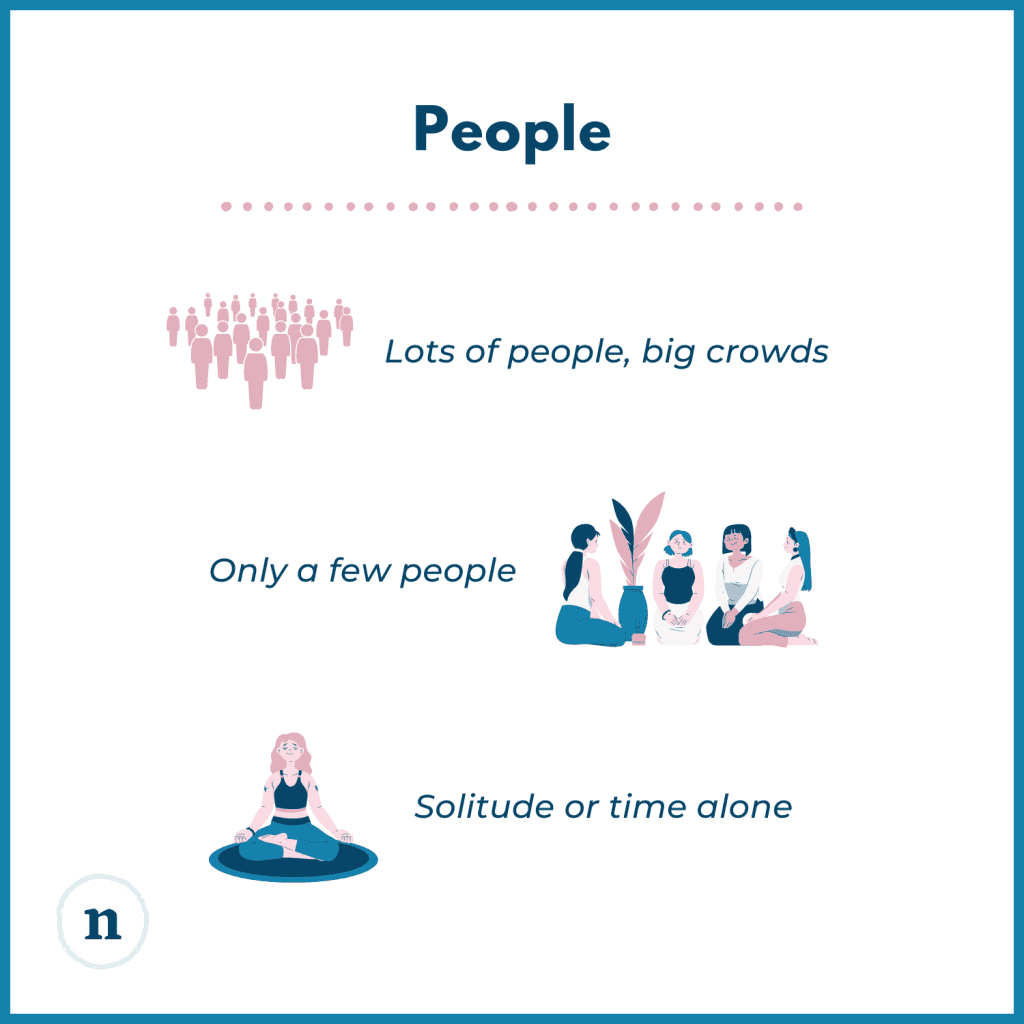
Consider the types of social environments and interactions that feel most comfortable and fulfilling for you. Whether you recharge in solitude, feel energized in a crowd, or prefer something in between, noticing your preferences can help you shape social experiences that support your well-being.
☐ Lots of people – Enjoyment of large crowds and high-energy environments.
☐ New people – Excitement in meeting and interacting with unfamiliar individuals.
☐ Only a few people – Preference for smaller, more intimate gatherings.
☐ Small group – Comfort in small group settings with active participation.
☐ Alone – Valuing solitude for rest, reflection, and recharging.
☐ Other: ______________________
Exploring Your Sensory Preferences
Exploring your sensory profile is an ongoing, personal process. The more you notice and experiment, the better you’ll understand what supports your comfort, energy, and well-being. Here are a few ways to keep learning about yourself:
- Reflect and self-observe – Pay attention to how different sensory inputs affect your mood, energy, and focus. Notice what feels calming, stimulating, or overwhelming.
- Experiment with environments – Spend time in different settings—like parks, libraries, or coffee shops—and observe how each space impacts your comfort and regulation.
- Engage in sensory activities – Try new textures, sounds, tastes, and movements. This might look like listening to music, making art, cooking, or spending time in nature.
- Seek input from others – Trusted friends, family, or therapists may notice patterns you miss and can offer insights that deepen your self-understanding.
Exploring your sensory world is something you can keep coming back to—it changes and deepens over time. The more you notice, the easier it becomes to shape your spaces and routines around what truly supports you. If you want to keep going with this work, you can also check out our Sensory Workbook for more tools, prompts, and ideas.

Conclusion
Cultivating a sensory lens and noticing your sensory preferences is an ongoing process of self-discovery and care. The more you understand how your sensory experiences shape your days, the more insight you’ll have into what helps you feel grounded, energized, or at ease—and what tends to overwhelm or drain you. Tools like sensory checklists, sensory diets, reflection, experimentation, and feedback from trusted people can help you uncover these patterns.
With that awareness, you can begin shaping environments, routines, and habits that truly support you. Your preferences may shift over time, so keep exploring and adjusting as you go. Honoring your sensory needs is not just about comfort—it’s about caring for your overall health and well-being.
Follow-Up Resources
Stay in the Neurodivergent Loop
For ongoing insights and updates, subscribe to the Neurodivergent Insights Newsletter. Each Sunday, Dr. Neff shares fresh reflections and a roundup of new resources on neurodivergence, mental health, and wellness. Dr. Neff reserves her most personal writing for the newsletter, and subscribers also get access to the Newsletter Vault (12+ PDFs) when they join.
You might also explore:
Sensory Workbook for Individuals – A guided resource for exploring and understanding your own sensory profile.
Sensory Workbook for Clinicians – A practical resource with license to share with clients to support clients in identifying and working with their sensory needs.
Sensory Toolkit Training for Clinicians – A training designed to help clinicians confidently integrate sensory strategies into their practice.

Dr. Megan Anna Neff
More Like This...


Previous Graphics