
Anxiety
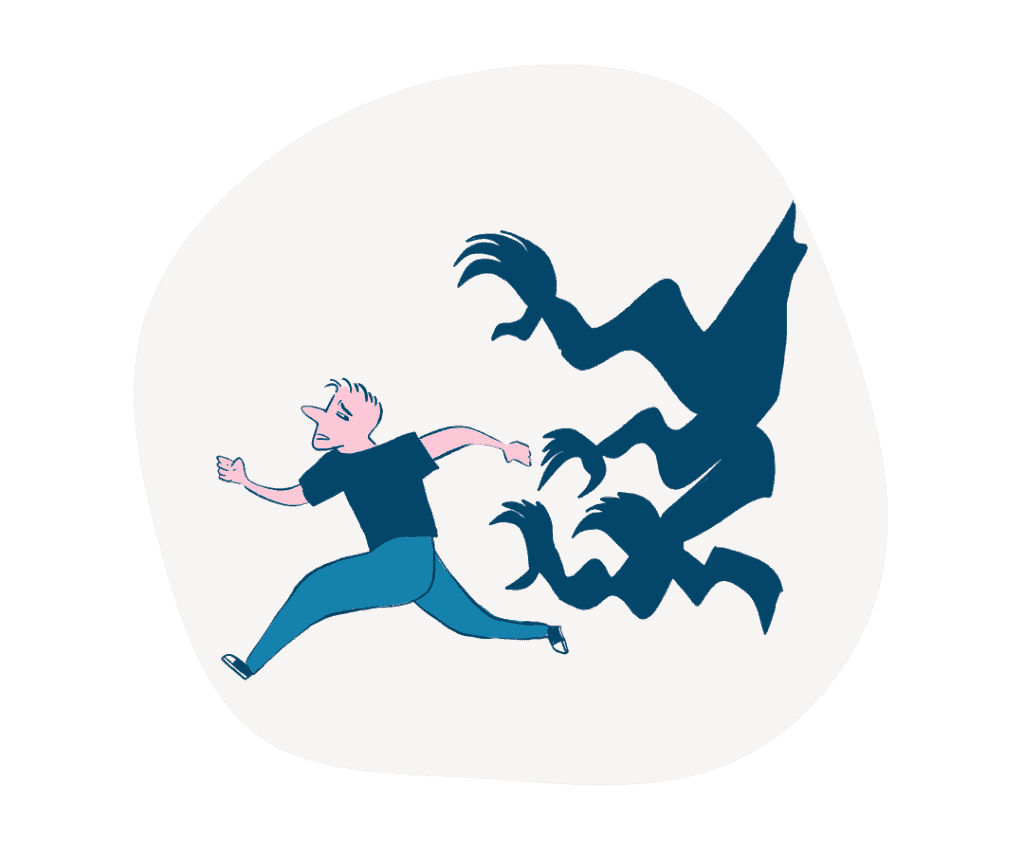
Anxiety is a normal, and often adaptive, human experience — the body’s way of mobilizing us for potential threat or challenge. In manageable doses, it can sharpen focus and motivate preparation. Anxiety becomes problematic when that alarm system stays switched on, flooding the body with chronic worry, tension, or avoidance that starts to interfere with daily life. At that point, anxiety shifts from something that helps us respond to life to something that constrains it.
Among Autistic and ADHD people, anxiety is one of the most common mental health conditions. It can arise from a combination of factors: a more sensitive or easily activated nervous system, alongside the cumulative impact of living in a world that frequently misunderstands or invalidates neurodivergent ways of being. In this sense, anxiety isn’t only biological or psychological — it’s also contextual, shaped by the environments a person has to navigate.
Sensory overload can sometimes be mistaken for anxiety, since both may lead to withdrawal, irritability, or shutdown. But they tend to have different roots. Sensory overwhelm arises from external input, while anxiety is more likely to grow out of internal “what if” loops. That same tendency to imagine, anticipate, and analyze is also what fuels creativity and insight. The imaginative, pattern-seeking brain that dreams and innovates can also overanalyze and anticipate. Understanding this duality helps shift the narrative: anxiety is often the flip side of creativity and heightened awareness in a complex world.