
Brain Fog
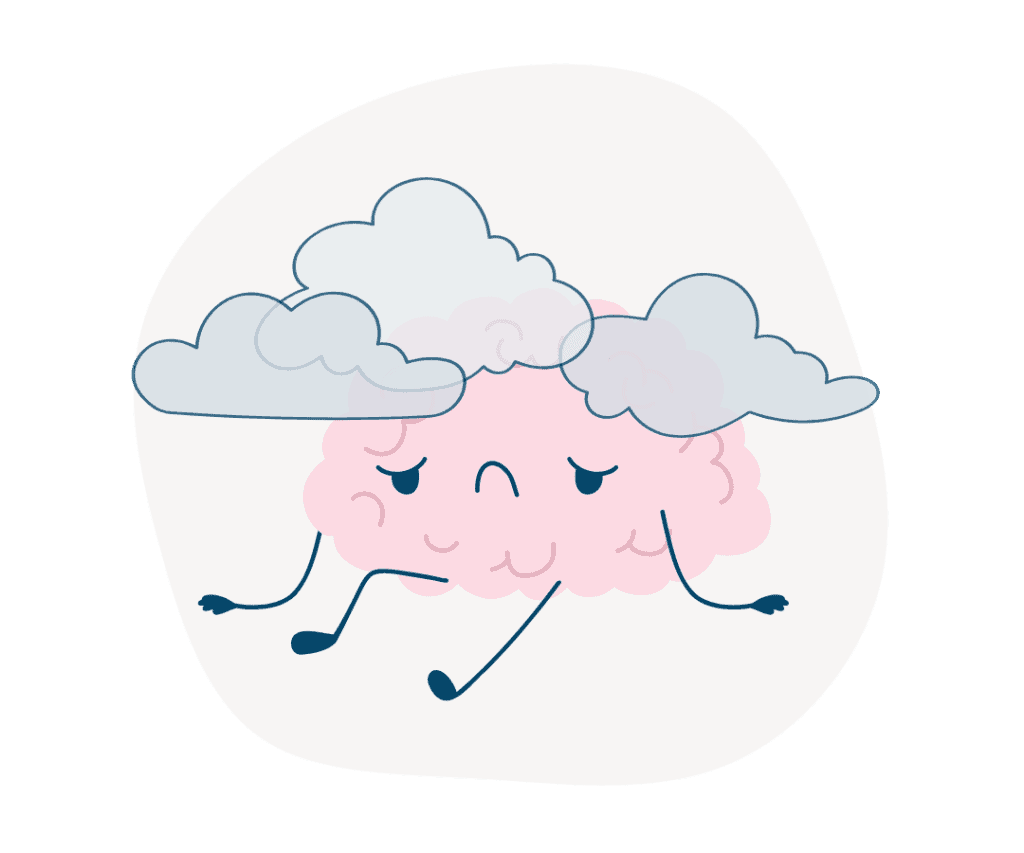
Brain fog refers to periods of mental sluggishness or confusion, when focus, memory, and clarity feel harder to access. It’s often triggered by cognitive overload, stress, or exhaustion. Brain fog isn’t a clinical diagnosis, but a widely used term for experiences like difficulty concentrating, forgetfulness, slowed thinking, or feeling mentally disoriented.
Brain fog is commonly reported during or after neurodivergent burnout, executive function overwhelm, or sensory overstimulation. It’s also described in connection with a range of medical conditions, including:
• Long COVID
• Myalgic Encephalomyelitis/Chronic Fatigue Syndrome (ME/CFS)
• Fibromyalgia
• Hormonal fluctuations (e.g. perimenopause)
• Side effects of medication or sleep deprivation
Episodes may last minutes, hours, or days, and can interfere with work, communication, and daily functioning. Brain fog often overlaps with fatigue and deserves attention, especially when it becomes chronic or persistent.