
Burnout
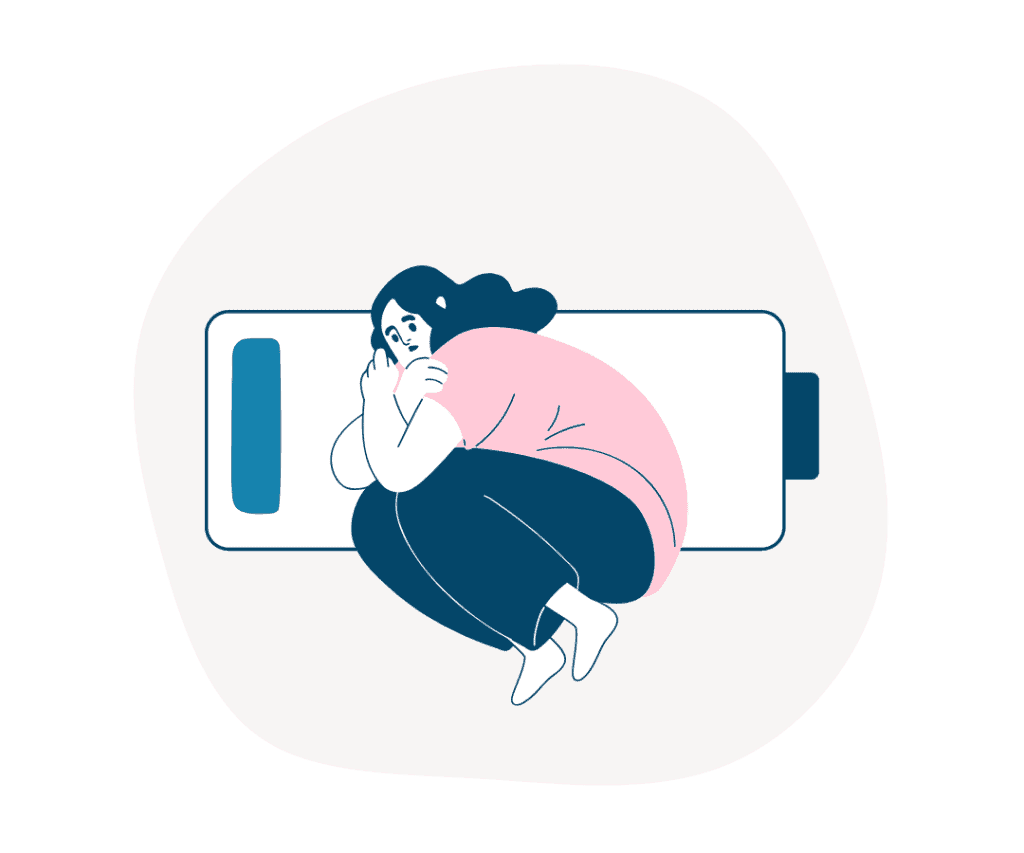
Neurodivergent burnout is a state of chronic nervous system exhaustion that develops after prolonged cognitive, emotional, and sensory overload — especially in environments that don’t align with a person’s neurological needs.
It often grows out of masking, over-adapting, and the ongoing effort of navigating systems rarely designed with neurodivergent brains in mind. This isn’t just feeling tired. It’s a more global collapse of capacity, affecting the body, mind, and nervous system.
Burnout typically involves three overlapping clusters of experience:
Fatigue — a deep exhaustion that rest alone doesn’t resolve
Sensory overload — heightened sensitivity to sound, light, touch, and other input
Loss of skills — reduced capacity for communication, executive functioning, or daily tasks
Burnout often includes brain fog, increased sensory meltdowns or Sensory Shutdown, speech difficulties, and a decreased ability to mask. For some people, this is when underlying neurodivergence first becomes visible, leading to identification as Autistic or ADHD.
While neurodivergent people are especially vulnerable because of ongoing environmental mismatch, burnout is becoming more common across the population. In a culture that undervalues rest, regulation, and natural rhythms, neurodivergent people often act as the “canaries in the coal mine,” showing what happens when systems push beyond human limits.
Recovery usually requires more than rest alone. It involves nervous system repair, sensory regulation, supportive environments, reduced demands, and a deeper alignment with one’s actual needs.