
Routine Disruptions
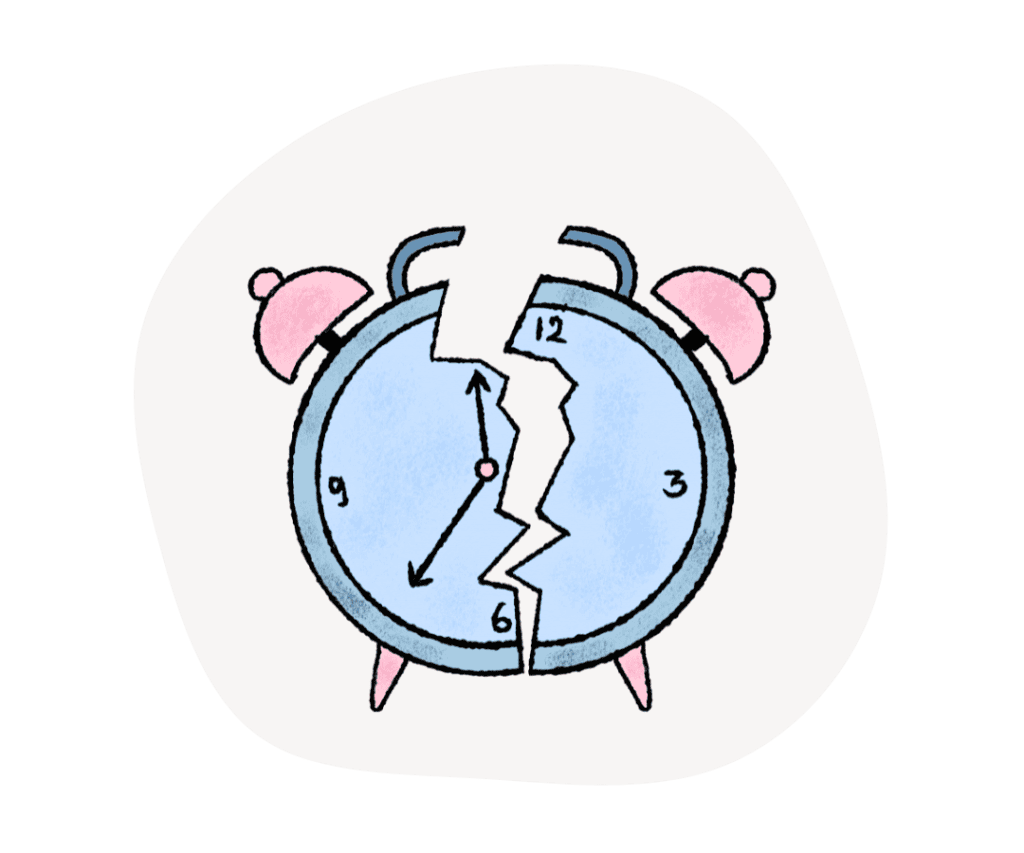
Routine disruptions refer to changes in familiar patterns, schedules, or rhythms that support predictability and stability. For many neurodivergent people, routines help with regulation, energy management, executive functioning, and a sense of safety.
When routines are disrupted, even in small ways, it can increase cognitive load and stress. This may show up as irritability, anxiety, shutdown, difficulty transitioning, or fatigue. The impact is often less about the change itself and more about the loss of predictability and the added effort required to reorient.
Routine disruptions are not a sign of rigidity or resistance. They reflect how the Autistic brain relies on internal prediction maps — mental expectations about what comes next — to conserve energy and reduce uncertainty. Autistic prediction maps tend to be more narrow and specific, so unexpected changes require more effort to rebuild.
For ADHD, routine disruption can be stressful for different reasons. Routines often provide external structure that supports planning, transitions, and follow-through, helping compensate for working memory challenges. When that structure disappears, executive demands increase.
Supportive responses may include advance notice, visual schedules, buffer time, or gentler pacing as new rhythms are established. Seen through a nervous system lens, routine disruptions are less about “being flexible” and more about creating enough stability and security to function.