
DSM in Pictures: PTSD
A visual guide to the DSM-5 criteria for understanding PTSD
Diagnosis can feel mysterious. This resource is meant to help demystify what goes into a PTSD diagnosis.
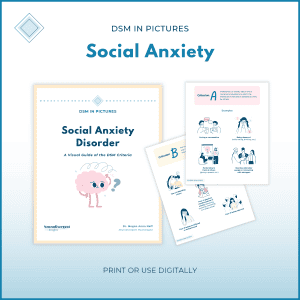
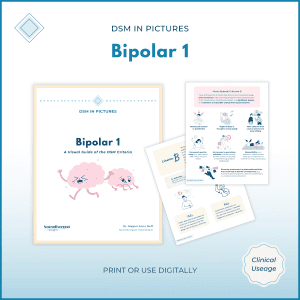
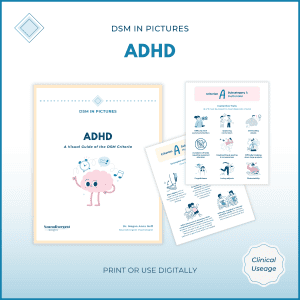
DSM in Pictures: PTSD walks through the diagnostic criteria for post-traumatic stress disorder visually, one criterion at a time. It translates the clinical language of the DSM-5 into images and plain explanations, and it frames PTSD as a nervous system trying to keep you safe, not as something broken in you.
You can use it to make sense of your own experience, to understand a diagnosis you have received, or to better understand someone you love.
What it is
A visual, image-forward guide to the DSM-5 criteria for PTSD, created by Dr. Megan Anna Neff, a neurodivergent clinical psychologist.
It uses the direct language of the DSM for educational accuracy, while gently naming where that language is pathologizing and does not tell the whole story.
What’s inside
- A plain-language overview of PTSD as a nervous system response, including how hyperarousal, adrenaline, and the brain’s safety alarm fit together
- Criterion A explained visually: the forms trauma exposure can take, with a note that Autistic people can develop PTSD symptoms even when full criteria are not met
- Criterion B, intrusion symptoms: memories, nightmares, flashbacks, and bodily reactions to reminders
- Criterion C, avoidance: the strategies people use to steer away from distressing memories and reminders
- Criterion D, altered beliefs, mood, and memory: the shifts in self-concept, emotion, and connection that often follow trauma
- Criterion E, hyperarousal: hypervigilance, startle response, sleep disturbance, and concentration difficulties
- Criteria F through H: the one-month duration that distinguishes PTSD from acute stress disorder, plus distress and rule-out criteria
Who it’s for
Anyone who wants a clear, affirming way to understand PTSD and what goes into the diagnosis. Whether you are exploring your own experience, sitting with a diagnosis you have received, or supporting someone you care about.
It is especially useful if you process visually, if you are making sense of a trauma response for the first time, or if it helps to understand your symptoms as a nervous system doing its job rather than a personal failing.
What the Personal License Is For
This is the Personal Edition, for your own use. You can read it on screen, print a copy for yourself, and return to it whenever it is helpful.
It is not licensed for professional use with clients or for redistribution. If you are a clinician or coach who wants to share this with the people you work with, the Clinical Edition is built for that.
Format and access
A digital PDF download, designed to be read on screen, printed, or shared. Visual-forward and built with cognitive accessibility in mind.

Reviews
There are no reviews yet.