
Dissociation
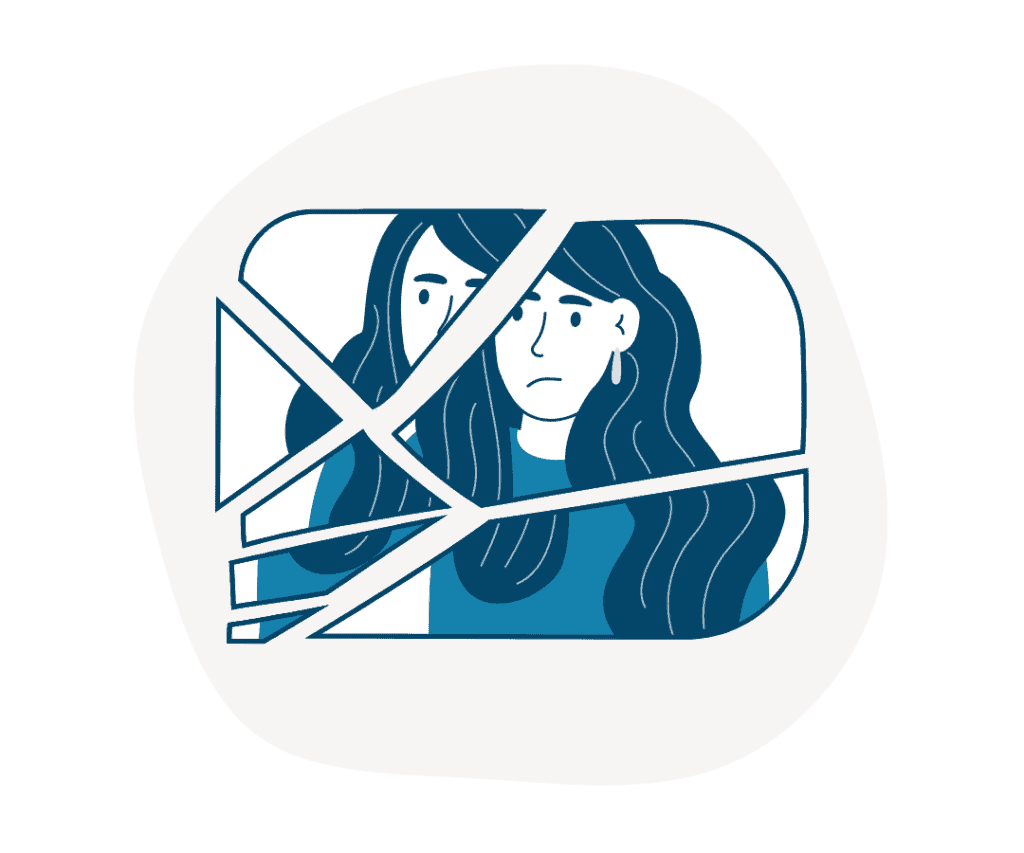
Dissociation describes a state of disconnection from the body, emotions, surroundings, or sense of self. It often arises as a protective response when the nervous system becomes overwhelmed by sensory input, emotional intensity, stress, or cumulative burnout.
For many neurodivergent people, dissociation can overlap with or resemble sensory shutdown. In these moments, the system may reduce incoming input as a way of coping. This can look like feeling foggy, numb, slowed, or “checked out,” even though the body is still physically present.
Dissociation is a survival response, one way the body limits overload when other regulation options aren’t available. When sensory, emotional, or environmental needs remain unmet, dissociation may start to show up more often. For some people, it can also overlap with ongoing nervous system hypoarousal, where the body adapts by staying in a more shut-down state.
Support usually focuses on increasing safety, predictability, and sensory regulation. Gentle grounding, pacing, and respecting the body’s limits can help reduce the need for dissociation and support more sustainable regulation over time.