
Lost Generation
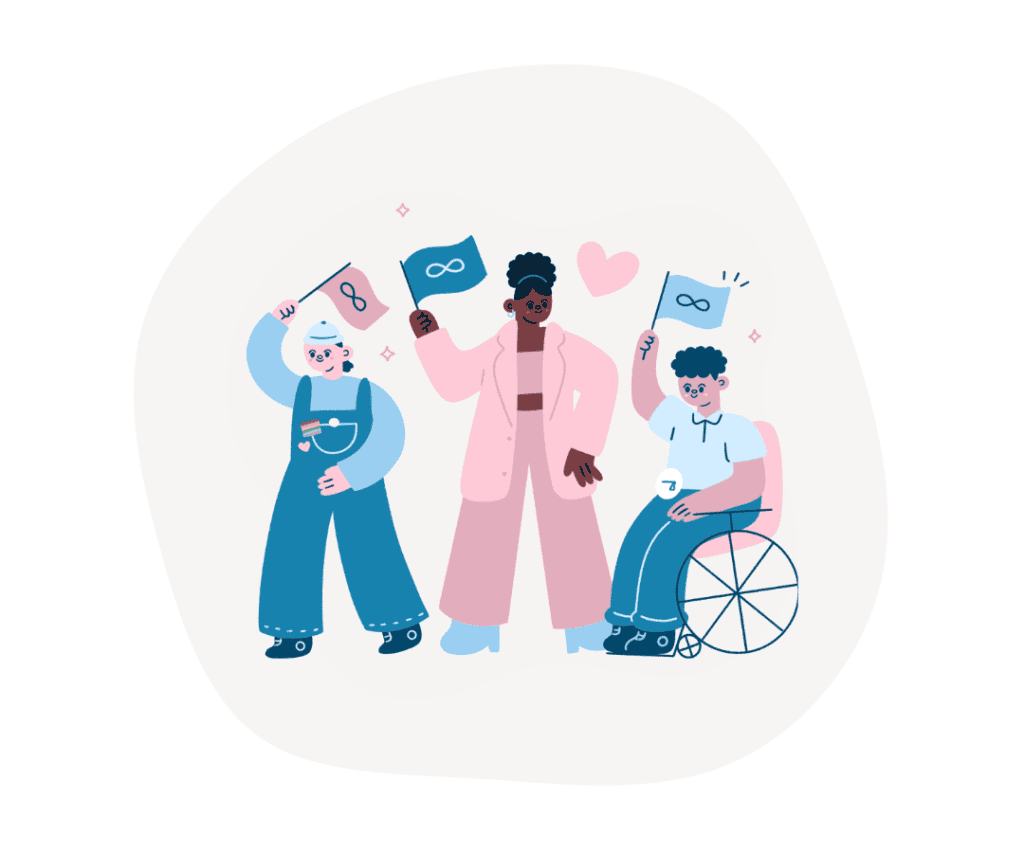
The Lost Generation refers to Autistic adults who were missed, misdiagnosed, or unsupported earlier in life and identified later in adulthood. Many grew up before autism was widely recognized in girls, women, people of color, and people who masked well or had strong verbal or cognitive abilities.
Members of the Lost Generation were often diagnosed with anxiety, depression, personality disorders, or simply told they were “too sensitive,” “lazy,” or “not trying hard enough.” Without a framework that made sense of their experiences, many internalized shame, pushed themselves beyond their limits, and learned to survive through masking or overfunctioning.
Late identification can bring both relief and grief. For many, it offers language, self-understanding, and community, while also surfacing grief for unmet needs, lost support, or years spent misunderstanding themselves. The term Lost Generation names a systemic failure, not a personal one.