

The Learning Nook
Community
A space for learning, identity exploration,
& growth
What Is the
Learning Nook?
The Neurodivergent Insights Learning Nook is a community for neurodivergent adults, parents, and clinicians committed to growth and deeper self-understanding.
It’s especially supportive for newly identified adults exploring identity, masking, burnout, and nervous system regulation.
Our values center connection, belonging, and thoughtful, nuanced conversation.
We offer two membership pathways: one for individuals and one for clinicians seeking neurodivergent-affirming professional community.
Our next enrollment window is July 6-10, 2026. Apply by July 1st to be considered for this window.
Full Access to the Neurodivergent Insights
Digital
Resource
Library
Members receive structured access to the entire digital collection of Neurodivergent Insights resources.
Dr. Neff’s work is research-informed, shaped by lived experience, and grounded in a neurodiversity-affirming lens that honors LGBTQIA+ and BIPOC voices within neurodivergent communities.
Inside the Learning Nook, you will find our complete collection of:
- Workbooks
- Downloadable guides and reflection tools
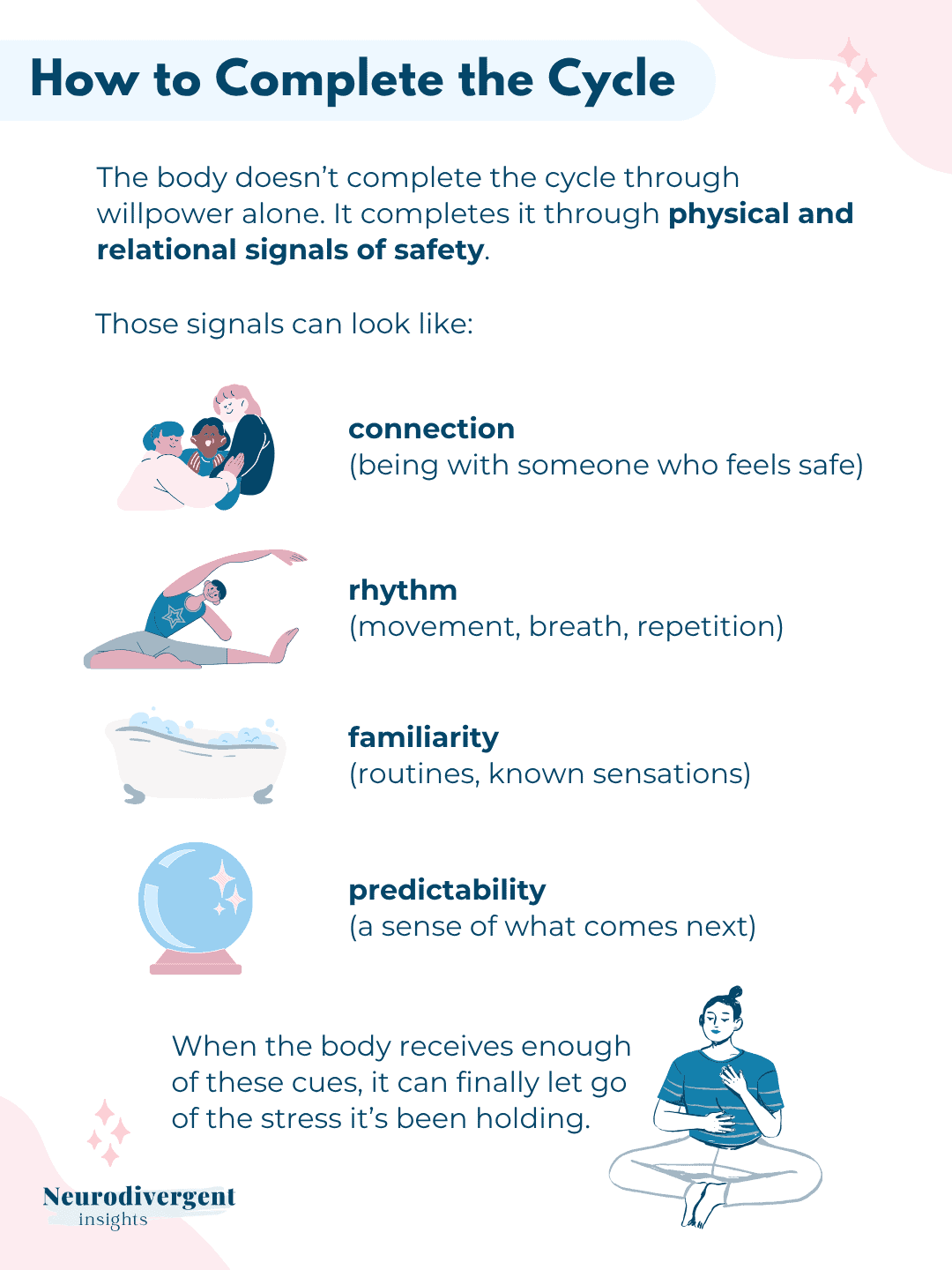
- Visual deep dives
- Educational PDFs
Take a Peek
What Else You’ll
Find in the Nook
Community
Live Workshops, Courses & Conversations
A growing library of in-depth courses, including the Autistic Burnout Course and clinically focused trainings, plus annual live re-runs and mini-courses throughout the year.
Note: Most live events take place weekdays between 9 AM–3 PM U.S. Eastern Time (ET). Please check your local time zone to see how this fits your schedule. Some events are recorded and available to watch afterward.
Body Doubling
Sessions
Weekly co-working sessions for executive functioning support.
Private Community
Forum Space
Thoughtful discussions and a quiet space to gather and curate shared wisdom.
Member-Exclusive
Video Archives
Extended recordings, community Q&As, and deeper commentary.
Membership Options
We use sliding scale pricing to honor varied financial realities while keeping the Nook sustainable. All tiers include the same access. The difference reflects financial capacity, not features.
Individual Community Membership
For neurodivergent adults seeking structured learning, connection, and full access to the NDI resource library.
- Tier 1 – $350 USD annually
(Sliding Scale Rate) - Tier 2 – $600 USD annually
(Standard Rate) - Tier 3 – $850 USD annually
(Stewardship Rate)
Clinical Community Membership
For therapists, coaches, and professionals seeking peer collaboration and licensed use of NDI digital resources for use with clients.
- Tier 1 – $1,000 USD annually
(Sliding Scale Rate) - Tier 2 – $1,300 USD annually
(Standard Rate) - Tier 3 – $1,600 USD annually
(Stewardship Rate)
Both options include full access to the community and resource library. The clinical pathway includes professional licensing for digital downloads, and clinician-only spaces & monthly clinical calls.
Is This A Good Fit?
The Learning Nook may be right for you, if you:
- Value research-informed, lived-experience grounded learning
- Prefer structured, intentional engagement
- Appreciate slower, depth-based discussion
It may not be the right fit if you currently:
- Are seeking crisis support
- Prefer rapid or high-volume interaction
- Are looking for therapy (this is not therapy)
Our Values
- Neuro-affirming
- Research-informed
- Lived-experience grounded
- Structured, not rigid
- Respectful of sensory & cognitive differences
We engage thoughtfully.
We hold space for complexity.
We prioritize psychological safety.
What Our Members
Are Saying
Frequently Asked Questions
Do I need a formal diagnosis to join?
No. Self-identified members are welcome here. Formal assessment is expensive, hard to access, and has historically been less available to women, people of color, queer and trans people, and older adults. If you’re still exploring whether you’re Autistic, ADHD, or AuDHD, the Nook can be part of that exploration. You also don’t have to be Autistic, ADHD, or AuDHD to join. While most of our members are neurodivergent, we have a small handful of NT clinicians and parents here for the learning and connection, and many people currently in the process of exploring their neurological identity.
What happens once I submit an application?
We review applications year-round, with an eye for fit on both sides. We want the Nook to genuinely support you, and we want each new member to add to the community we all share. Once your application is reviewed, we’ll let you know if we can offer you a spot.
If invited to join, you’ll receive reminders before the next enrollment window opens. Enrollment happens quarterly so we can welcome new members with intention and provide a thoughtful onboarding experience.
Do I have to participate in live calls or be on camera?
No. Neurodivergent people have many different ways of processing and connecting. You can be a fly on the wall while you get oriented. You can engage meaningfully through the forums if text-based communication is easiest. You can watch recordings of some (but not all) past calls — course calls and book clubs are recorded, and clinical calls if you’re on the clinical membership. Or you can join a call and stay camera-off and muted. How you show up and connect looks different for everyone and depends heavily on your processing style.
What if my capacity dips and I disappear for a while?
That’s to be expected. Capacity fluctuates, whether from burnout, health, or the seasons of a life. And you’re in a community of people who get that. Many members ebb and flow, then come back and pick up where they left off. This is part of what makes it a neurodivergent-friendly community: an immense understanding that we move in and out of spaces as we have capacity. Many members find they can re-engage by joining one of our quarterly events — a structured learning experience like a book club or a live run-through of one of our courses.
How involved is Dr. Neff in the community?
Dr. Neff leads a monthly Q&A for all members and a monthly clinical call for those on the clinical membership. Three to four times a year, she also runs a live book club or multi-week course series for members. Outside of live calls, she participates in the forums occasionally rather than daily.
Day to day, the Nook is held by our team. Stephanie, our Nookkeeper, and Shauna, our mini-Nookkeeper, handle communication with members and host a variety of community events where members can connect, learn, and support one another. Members of our Leadership Team also host regular body doubling sessions and other opportunities for connection and belonging.
Is the Learning Nook therapy?
No. The Nook is an affirming educational and community space. It’s designed for learning, exploration, self-understanding, and connection, and it works best alongside mental health care, not in place of it.
Does the Learning Nook provide crisis support?
No, the Nook is not built to provide crisis support. We like to state this upfront as it helps to give crisis the care that it deserves. Self-discovery and personal growth can stir up strong emotions, and a community space isn’t built to hold crisis or clinical needs.
If you’ve recently experienced significant trauma, a psychotic episode, or hospitalization, or you’re in a season where clinical care is needed, we encourage you to work with a therapist, physician, or other qualified professional alongside this work. The Nook can be a meaningful complement to that care; it can’t substitute for it.
Will I be exposed to trauma stories in this community?
We’ve designed the Nook to be a soft landing, which means we hold a clear boundary around trauma content. Graphic, detailed, or explicit trauma stories aren’t shared here, whether in live calls, forum posts, or DMs. The same goes for requests for crisis support.
We have a few reasons for this decision: many of us carry trauma histories, and we’re all at different places in our healing. A detailed narrative that one person shares to connect can dysregulate someone who wasn’t expecting to encounter it — especially when it brushes up against their own story. And processing trauma in depth needs something a community can’t offer: a space with real-time co-regulation and skilled support, such as 1:1 therapy.
General context is always welcome, for example: “I have a trauma history” or “I’m a survivor of IPV” helps us understand each other. What we ask members to hold back are the graphic details and examples or stories of abuse. This helps keep the community predictable: which means we can all show up knowing what kinds of conversations we’ll encounter here, and what kinds we won’t.
How is member safety and community care maintained?
Collective care and emotional safety is something that we build together. It’s not something to be enforced from above. Our shared Community Values & Guidelines describe what each of us contributes: respect, empathy, care, curiosity and room for difference. Because everyone’s experience depends on everyone else’s participation, continued membership does rest on upholding these values.
You’ll have the opportunity to review the values in the application, and they’re included in the Member Guide when you join, so they’re always available to reference.
Is what members share kept private?
Privacy is one of our shared agreements: what’s shared in the Nook stays in the Nook (no posting or sharing images from the forums, for example). Not everyone in the Nook is publicly open about their neurodivergence, so this matters for many reasons. The forum and calls are member-only spaces, and members agree not to screenshot or publicly discuss details about other members that could out them or cause harm.
One exception, by design: people who are writing or giving trainings sometimes ask for community wisdom in the “Ask the Community” area. There, they’re explicitly inviting stories and examples to be shared, and we ask members to be clear when that’s what they’re requesting.
We’re also honest about limits. Confidentiality is a legal term, and no online community can offer what a therapy room can — the Nook is a private space, not a confidential one. Given the limitations of digital community, we encourage you to share at whatever depth feels right for you.
How does membership and payment work?
Membership is paid annually and fees are non-refundable. You can cancel anytime: cancelling simply means your membership won’t renew for another year. You’ll keep full access through the end of the year you’ve already paid for; we aren’t able to refund unused time. The community runs on Circle, and your access and billing are handled there.
What is your cancellation and refund policy?
Membership is paid annually and fees are non-refundable. You can cancel anytime — cancelling simply means your membership won’t renew for another year. You’ll keep full access through the end of the year you’ve already paid for; we aren’t able to refund unused time.
Learn More and Apply to the Nook
If this feels aligned, we’d love to learn more about you.
Full membership details, pricing tiers, and community guidelines are shared within the application process so you can make an informed decision.
Submit your application by July 1st to be considered for the July 6-10, 2026 enrollment window.
Join over 250,000 followers for weekly insights on autistic, ADHD & AuDHD life.