The NDI Glossary

Neurodivergent Nervous System

Refers to differences in how Autistic and ADHD bodies process sensory input, stress, and emotional intensity.

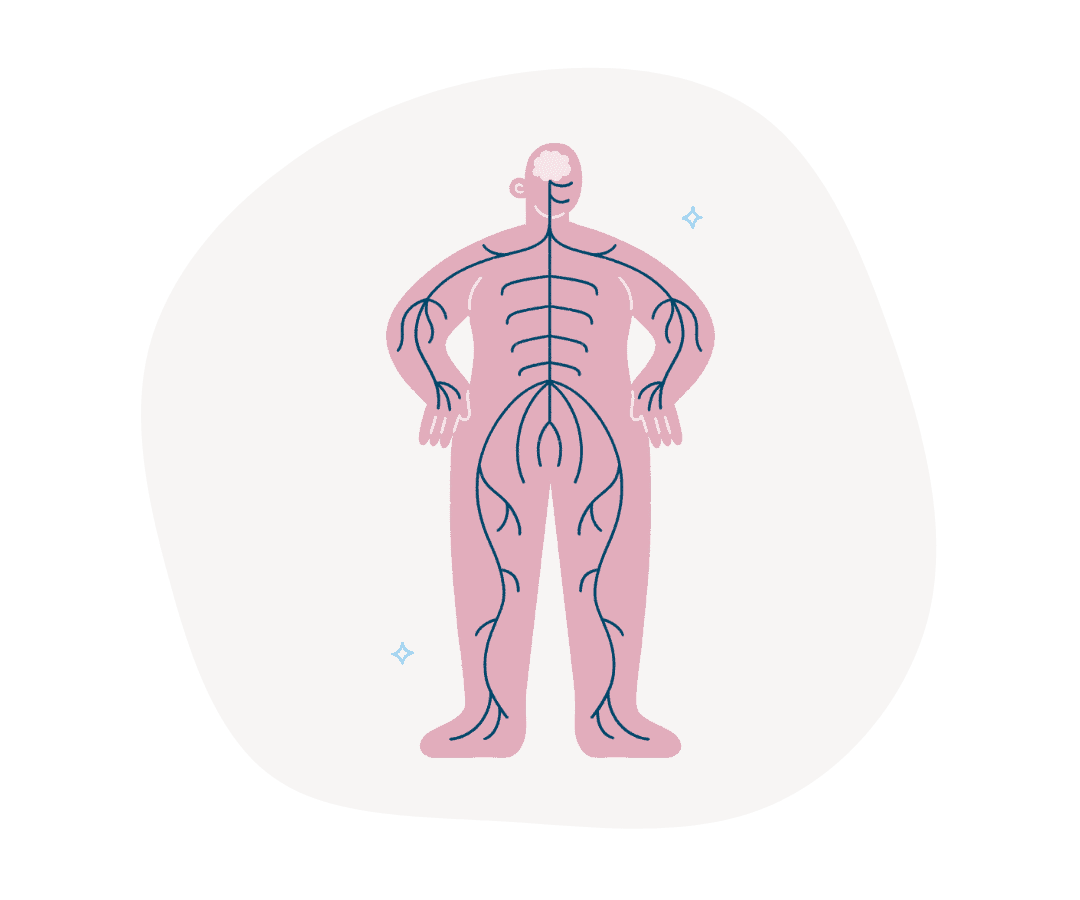
The neurodivergent nervous system describes differences in how the brain and body take in and respond to sensory input, stress, and emotional information. Many Autistic and ADHD people experience heightened or uneven nervous system responses, which can make everyday environments feel more taxing to move through.

These differences may show up as sensory overwhelm, emotional intensity, quicker stress activation, or a slower return to baseline after distress. What can look like “overreacting” from the outside is often a nervous system that shifts more easily into states of hyperarousal or hypoarousal — especially in environments that are loud, fast, unpredictable, or socially demanding.

A neurodivergent nervous system often needs different conditions to function well. This might include sensory accommodations, predictability, pacing, co-regulation, and intentional recovery time. Over the long term, support can also involve processing past trauma, strengthening secure attachment, and learning personal triggers and protective patterns. Foundational supports, like sleep, hydration, movement, and nourishment, support nervous system resilience too. While more sensitive by design, a neurodivergent nervous system can be supported, accommodated, and made more resilient.

Join over 250,000 followers for weekly insights on autistic, ADHD & AuDHD life.
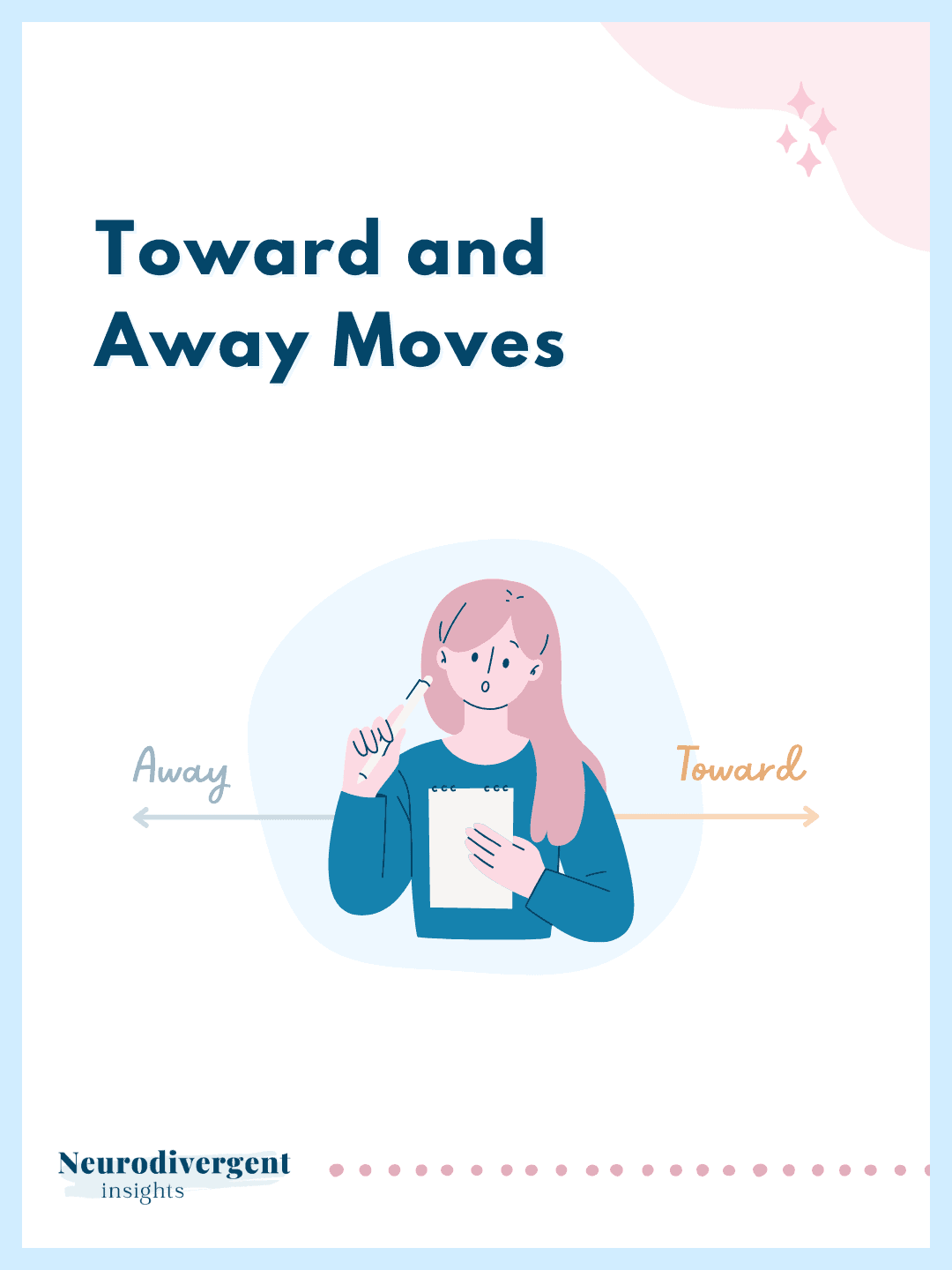
NDI social graphic with the heading Toward and Away Moves, showing an illustrated person holding a notepad with opposing arrows labelled Away and Toward.
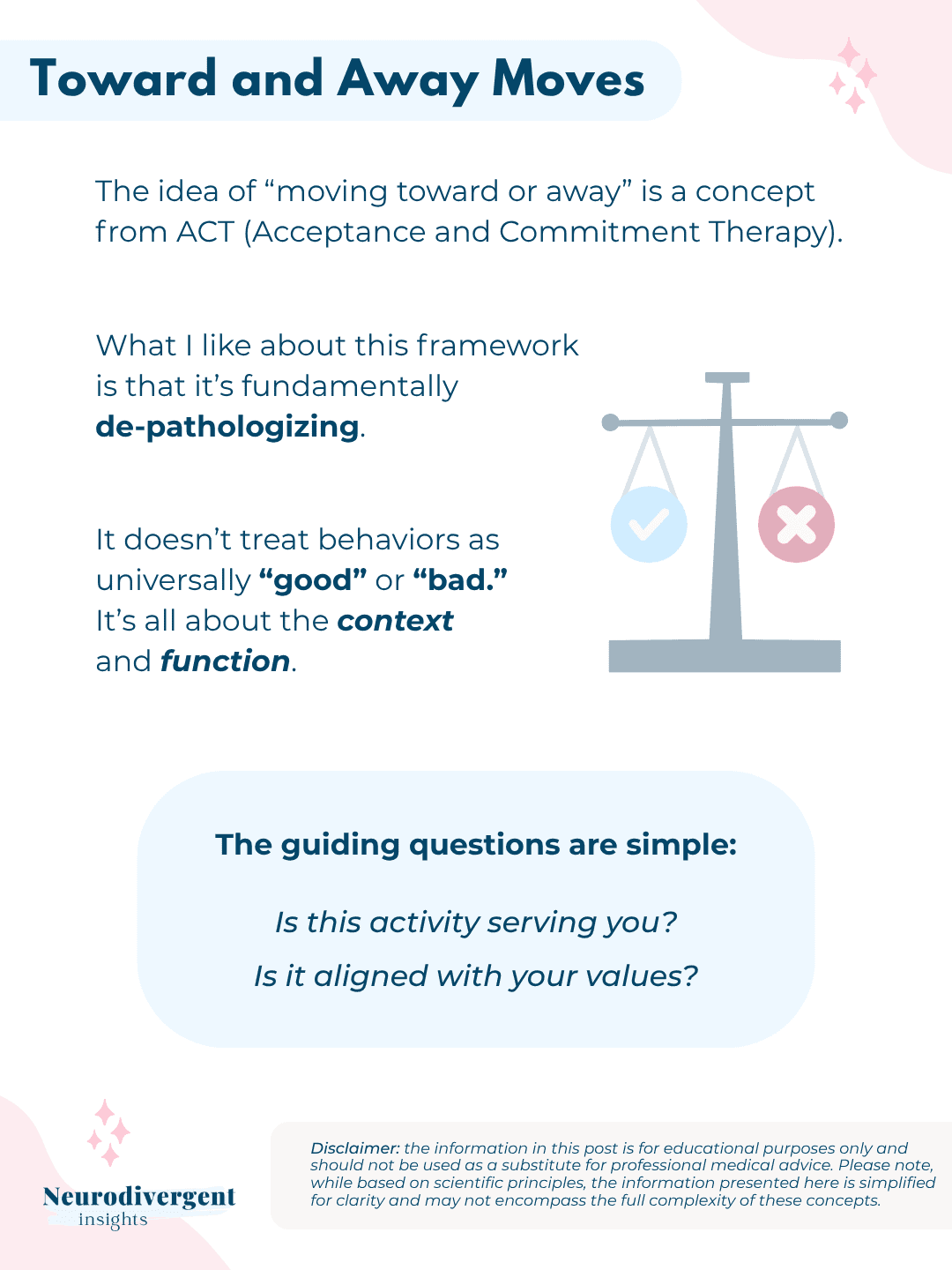
NDI infographic on Toward and Away Moves explaining the ACT concept as de-pathologizing, with a balance scale and guiding questions about values alignment.
Illustrated hand holding a pink smartphone displaying a social media post with a heart, with blue sparkles, representing NDI social media content.
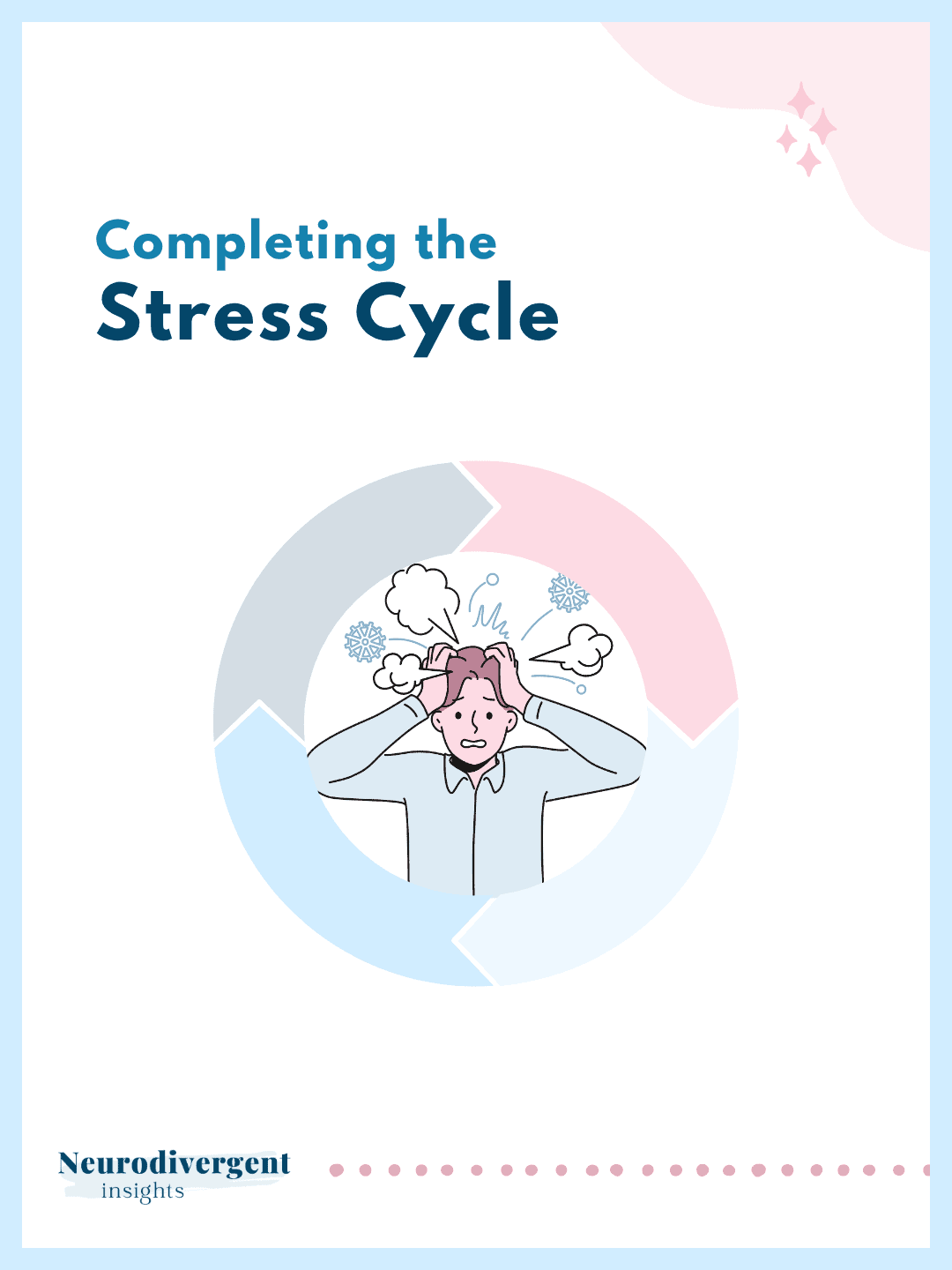
NDI social graphic with the heading Completing the Stress Cycle, showing an illustrated person overwhelmed with steam coming from their head inside a circular cycle diagram.
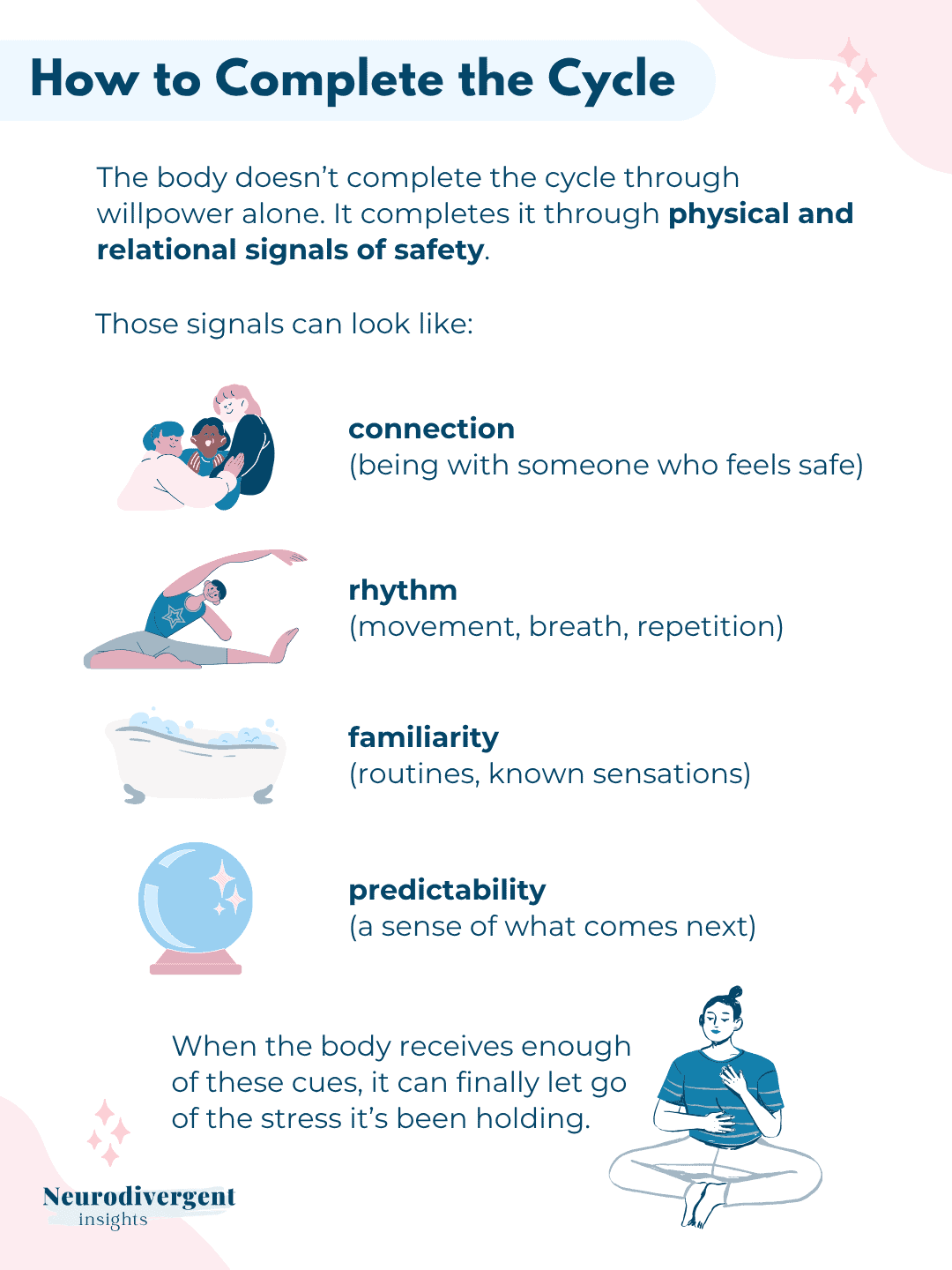
NDI infographic titled How to Complete the Cycle, listing connection, rhythm, familiarity, and predictability as physical and relational signals of safety for stress cycle completion.
0
0
Your Cart
Empty CartYour cart is empty

     
Scroll to Top

Neurodivergent Nervous System

Refers to differences in how Autistic and ADHD bodies process sensory input, stress, and emotional intensity.

The neurodivergent nervous system describes differences in how the brain and body take in and respond to sensory input, stress, and emotional information. Many Autistic and ADHD people experience heightened or uneven nervous system responses, which can make everyday environments feel more taxing to move through.

These differences may show up as sensory overwhelm, emotional intensity, quicker stress activation, or a slower return to baseline after distress. What can look like “overreacting” from the outside is often a nervous system that shifts more easily into states of hyperarousal or hypoarousal — especially in environments that are loud, fast, unpredictable, or socially demanding.

A neurodivergent nervous system often needs different conditions to function well. This might include sensory accommodations, predictability, pacing, co-regulation, and intentional recovery time. Over the long term, support can also involve processing past trauma, strengthening secure attachment, and learning personal triggers and protective patterns. Foundational supports, like sleep, hydration, movement, and nourishment, support nervous system resilience too. While more sensitive by design, a neurodivergent nervous system can be supported, accommodated, and made more resilient.