Throughout my life, I’ve found clever ways to get more weight on me. When I’m at the dentist and they ask if I want to hang up my bag, my answer is always, “Nope, I like it on my lap, thank you.” It was only a few years ago that I realized what I was doing: seeking out proprioceptive input to help regulate and calm my body.
What is Proprioception?
Proprioception is one of our eight sensory systems. It tells us where our body is in space, how it is moving, and how much force or effort we are using. It relies on receptors in our muscles, tendons, joints and skin.
Proprioception plays a role in body awareness, self-regulation, coordination, posture, and the ability to focus. Many Autistic and ADHD people notice differences in how they seek out or process proprioceptive input, though research on proprioceptive accuracy itself is mixed. Just as someone can be an under- or over-responder to interoception signals, someone can be a proprioception seeker or avoider (more on these differences here). Complicating matters, a person may be sensitive to certain proprioceptive inputs while craving others.
Proprioception Inputs
There are many reasons a person may benefit from intentional proprioceptive input throughout the day.
Proprioception seekers crave it. Many people also find it helps with emotional regulation.
Many Autistic and ADHD people (me included) use it to help manage sensory overwhelm.
It can also build body awareness and help with coordination.
8 Different Forms of Proprioception Input
Below are eight forms of proprioceptive input you can work into your daily rhythm.
This post contains affiliate links. If you buy through them, we may earn a small commission at no extra cost to you. We only link to things we use or trust.
Push-Pull-Lift Activities
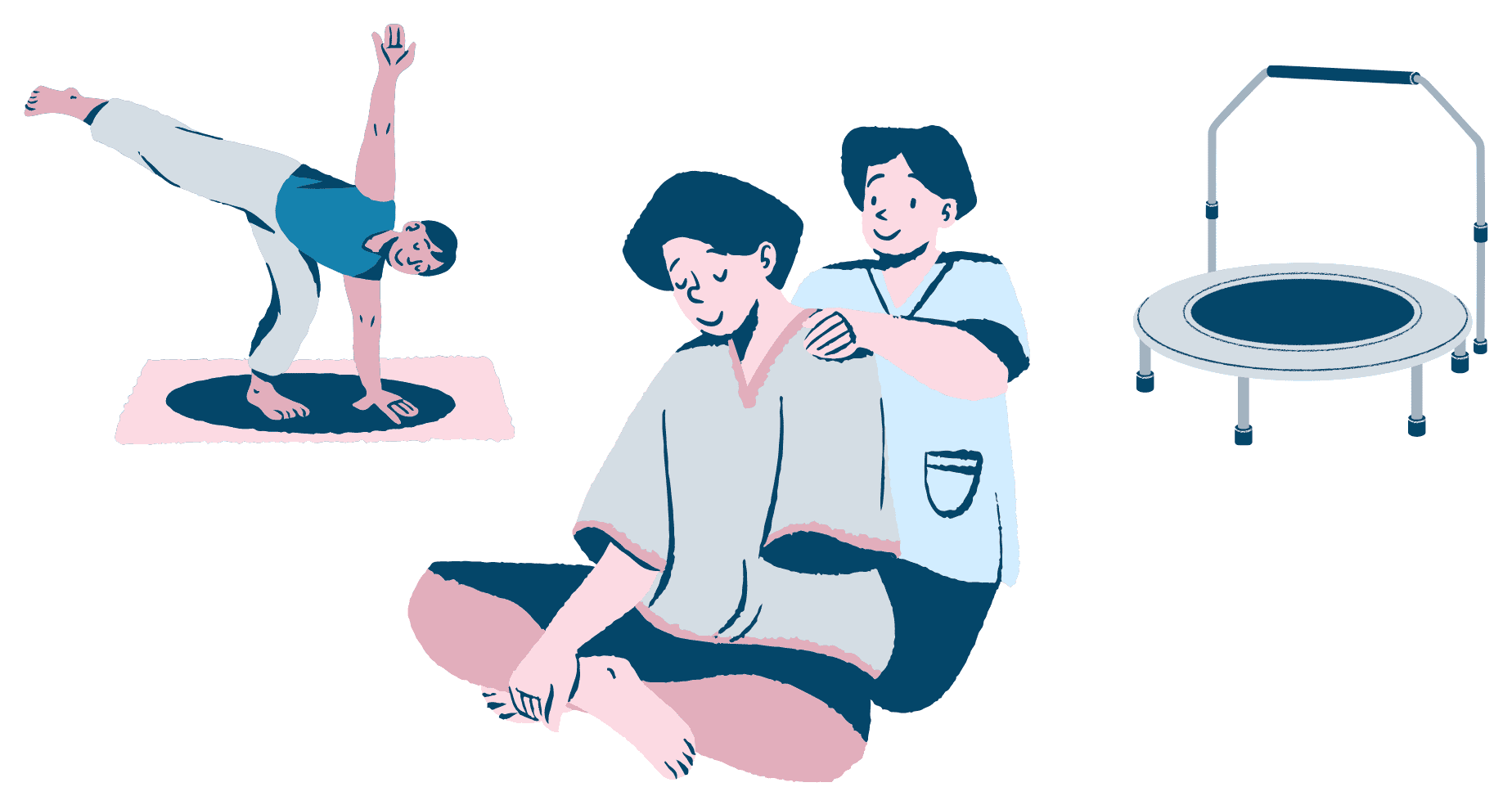
Pushing, pulling and lifting all give proprioceptive input. Think push-ups, lifting weights, squats, bringing in the groceries or yard work. This is one reason exercise and physical work can feel so regulating.
Swinging
Swinging mainly gives vestibular (movement and balance) input, and pumping, gripping the ropes or pushing off adds proprioceptive input on top. Many sensory seekers crave this kind of movement. Our family’s personal favorite is the swurfer (you can stand or sit on it). We have adapted it for inside use, which works well for our long rainy Oregon winters! The platform swing is another design commonly used among occupational therapists.
Bouncing and Jumping
Jumping and bouncing are great ways of getting sensory input for proprioception-seekers. When my children were young, we got A LOT of use out of our Rody. Rody is a small inflatable bouncing horse that lets children bounce while steadying themselves with their feet (the maker lists it for ages 3 to 5). For older kids and adults, bouncing on trampolines is a great way to meet bouncing needs. If your child is a proprioception seeker, they will get a lot of use out of an in-home or outdoor trampoline. For adults, a mini trampoline like this trampoline works well.
Chewing
Weighted Blanket (Pressure)
Weighted blankets provide a lot of pressure (a form of proprioceptive input).
I always feel best when I have something heavy on my lap.
Yoga Stretches
Yoga and stretching give a lot of proprioceptive input, and holding poses is a way to practice balance and different ways of staying upright.
Dance
Many Autistic and ADHD people I know (me included) share stories of spending hours in their bedroom as teenagers dancing. Dancing and music are powerful ways to regulate and gain proprioceptive input. So go ahead, put on your favorite song or playlist (on repeat if Autistic!), and dance away.
Kneading and Squeezing
Kneading something tough with your hands (dough, playdough, sand, or squeezing a stress ball) provides proprioceptive input. A subtle stress ball can be a discreet way to get proprioceptive input during meetings, school, and other times where you’d prefer not to bring attention to it.
A Few Closing Thoughts
Most of us already get some proprioceptive input without planning it. We carry in the groceries, chew gum through a hard meeting, or pull a blanket onto our lap at the end of the day. It helps to notice which of these we keep coming back to, and which ones we avoid.
What kinds of proprioceptive input feel good can also change from day to day. To incorporate more of this into your life, begin with one or two options, and pay attention to what shifts, what you like and what you don’t like.
Proprioceptive Input FAQs
Additional Resources
For parents: The Sensory Code by my friend Laura Petix, MS, OTR/L (The OT Butterfly)
For ongoing insights and updates, subscribe to the Neurodivergent Insights Newsletter. Each Sunday, I send out fresh thoughts and a roundup of the newest resources on topics related to neurodivergence, mental health, and wellness. My most personal writing is reserved for my newsletter, and subscribers also get access to the newsletter vault (12+ PDFs) when they join.







 Stay in the Neurodivergent Loop