Autism in Medicine
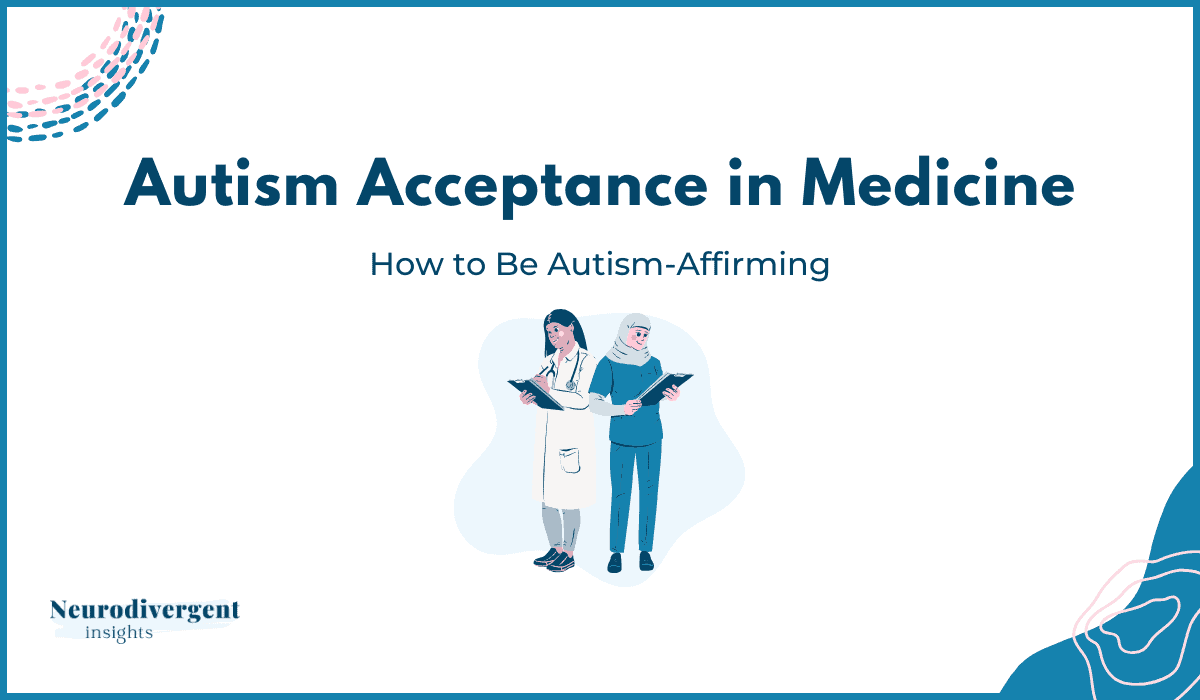
April is Autism Acceptance Month, a time to recognize the strengths of Autistic culture while acknowledging the challenges many of us experience in navigating a non-Autistic world. This month, I am breaking down what Autism Acceptance means into actionable steps with my series, “Autism Acceptance in Action.” Today we’re looking at autism in medical settings.
Navigating the complex labyrinth of medical settings poses a unique set of challenges for many of us. Our experiences in these environments are often fraught with confusion, sensory overload, feeling misunderstood and a feeling of being pathologized. The traditional medical landscape, largely unprepared to meet our needs, exacerbates these challenges, leading to misdiagnoses and inadequate treatment. This is especially concerning given the high prevalence of chronic and complex medical conditions within our community. A shift towards understanding and accommodating Autistic experiences and needs can pave the way for a healthcare system that is more accessible and inclusive. Here are eight considerations for cultivating greater inclusion for Autistic patients.
Table of Contents
Ideas for Autism Acceptance in Medical Settings
While by no means an exhaustive list, here are several practices that can bring greater acceptance of autism in society.

1. Diverse Communication Options
Providing various communication methods, such as written forms, visual aids, and communication apps, can significantly reduce the stress associated with verbal communication and ensure that we can express our needs and concerns effectively.
2. Flexibility in Appointment Scheduling
Recognizing our need for additional time to process information and articulate our thoughts, especially given the complexity of our medical conditions that often intersect with one another, extending the duration of appointment slots can significantly reduce the stress associated with medical visits and increase their overall effectiveness.
3. Sensory-Friendly Environments
The creation of sensory-friendly waiting areas and examination rooms, devoid of strong scents and harsh lighting, and the permission to use fidget toys, can help mitigate sensory overload, making medical visits more bearable and improving ability to communicate during visits.
4. Recording Visits for Later Review
Allowing us to audio record our visits provides an opportunity to revisit the discussion at our pace, which is particularly beneficial when we are less overwhelmed and can process the information more thoroughly.
5. Visual Aids for Medical Procedures
Utilizing visual aids to explain medical procedures beforehand can demystify the process, alleviate anxiety, and prepare us for what to expect, making the experience less intimidating.
6. Acknowledging Co-occurring Conditions
A comprehensive approach that considers the co-occurring conditions frequently seen in Autistic individuals is crucial for providing holistic and effective care. To learn more about common co-occurring conditions check out this comprehensive entry on autism and health conditions.
7. Clear and Straightforward Communication
Adopting clear, straightforward communication and providing written materials to supplement verbal instructions can help ensure that we fully understand our treatment plans and health information.
8. Gender-Affirming Care
Delivering gender-affirming care that is mindful of our sensory sensitivities and executive functioning requirements is crucial for fostering a respectful and supportive healthcare environment. Additionally, it’s important to recognize that many trans Autistic individuals encounter skepticism from medical providers about their gender identity due to their autism. Thus, affirming and validating the gender identities of Autistic individuals is an integral aspect of compassionate care.
Summary
By implementing accommodations, medical settings can become more accommodating and welcoming for Autistic people. Embracing autism acceptance not only benefits the Autistic community but also enhances the quality of care for all patients. It is a step towards a healthcare system where everyone, regardless of neurodiversity, can feel understood, respected, and well cared for. The journey towards autism acceptance in medical settings is pivotal in building a more inclusive society where we are recognized not for our challenges but for our unique strengths and perspectives.
Follow-Up Resources
Autism Acceptance Infographics — Free Download
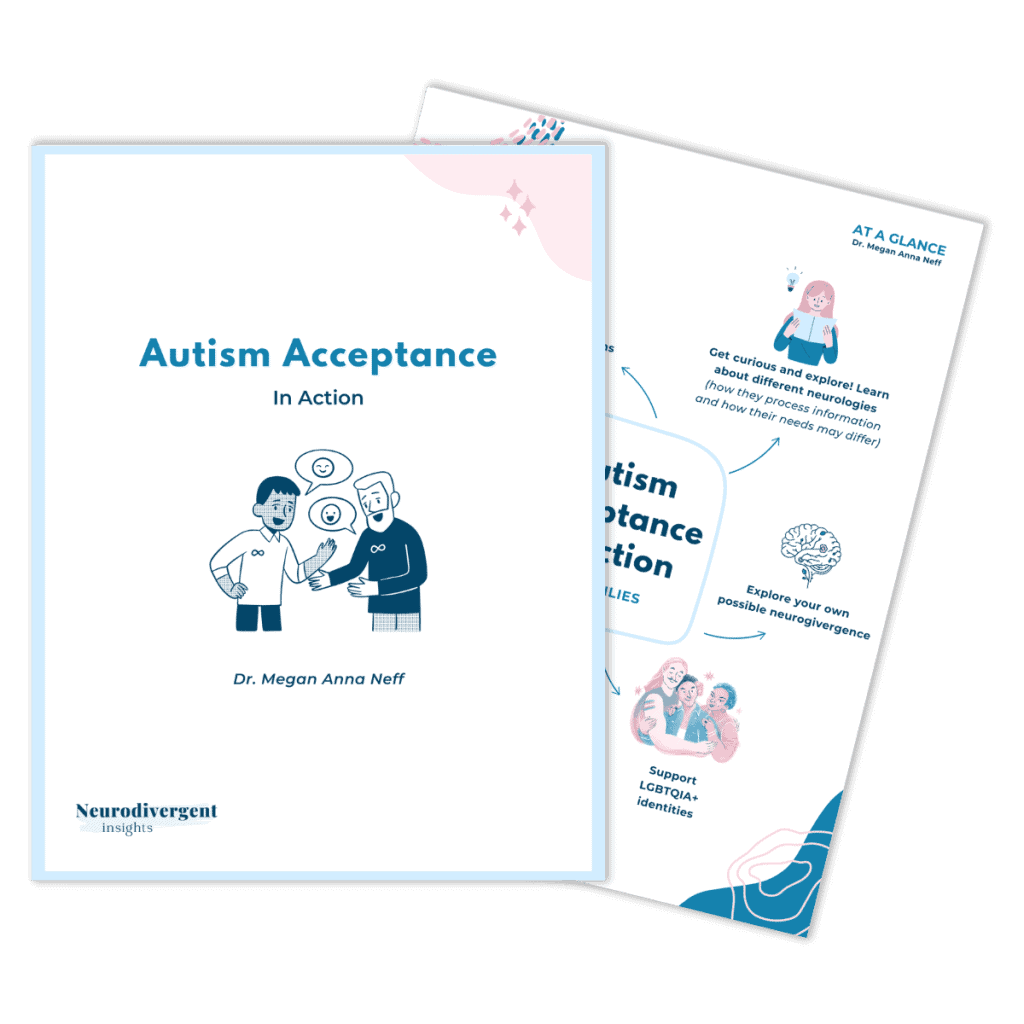
Interested in using these infographics? The full Autism Acceptance Infographics series is available to download.
Learn More About Autism and Health
For those interested in exploring what neurodivergent-affirming medical care looks like, Dr. Mel Houser, an Autistic physician, stands out as an exemplary model. Dr. Houser’s approach showcases the potential for empathetic, understanding healthcare tailored to the unique needs of neurodivergent individuals.
To delve deeper into Dr. Houser’s work and insights, consider exploring “At Things Belong,” an initiative dedicated to fostering inclusive healthcare practices. Additionally, Dr. Houser’s perspectives are featured in an in depth interview on Divergent Conversations podcast, offering valuable takeaways for both healthcare professionals and the wider community seeking to understand autism and health concerns.
Stay in the Neurodivergent Loop
For ongoing insights and updates, subscribe to the Neurodivergent Insights Newsletter. Each Sunday, I send out fresh thoughts and a roundup of the newest resources on topics related to neurodivergence, mental health, and wellness. My most personal writing is reserved for my newsletter, and subscribers also get access to the newsletter vault (12+ PDFs) when they join.
You May Also Like...

Previous Graphics