
|
Celebrating ND Pride Week — 25% off all digital products with code NDPRIDE
|

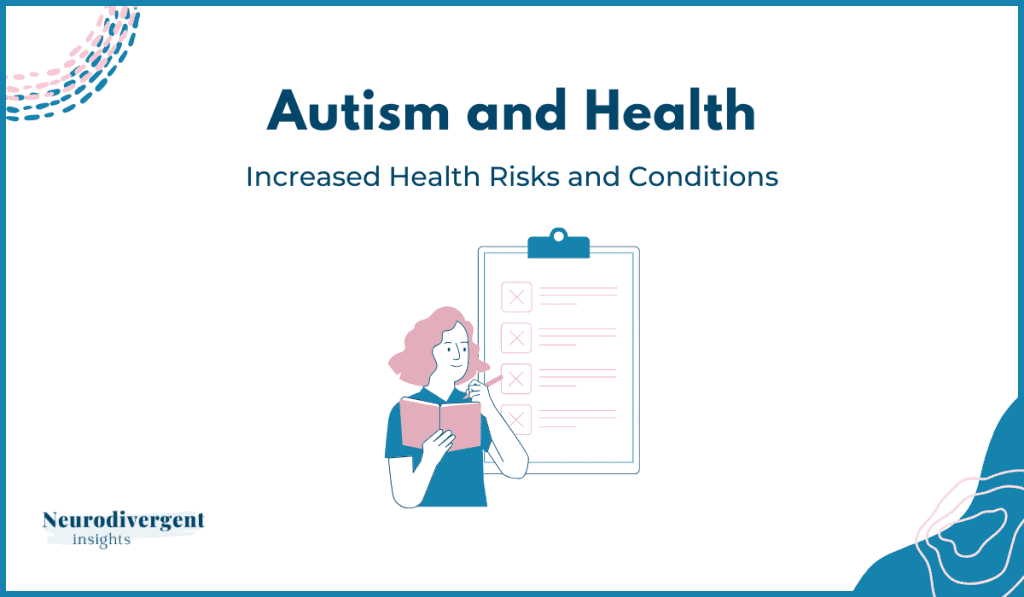
People often have a surface-level awareness of ADHD and Autism and tend to think these are things that simply influence our minds (our cognition and way of processing information). People often don’t realize it’s a whole-body condition. It influences how our bodies break down toxins (spoiler-not well), and the fact we have increased risks of cancer, heart disease, epilepsy, gastrointestinal disorders, metabolic disorders, endocrine disorders, neurological conditions, autoimmune, and so much more. ADHD and Autism are full-body experiences that impact our day-to-day experiences of our body.
Here are a few sobering facts:
For Autistic women, the health risks are even more compounded, and it has been recommended that Autistic women be monitored by their physician for gastrointestinal, endocrine, neurological, and other conditions. Problematically, many autistic women remain undiagnosed, which limits their ability to proactively engage their medical team about their elevated health risks (Sidenote: I suspect this may be a contributing factor to why many of us get labeled “hypochondriac” before discovery).
The health risks associated with autism are even higher for autists assigned female at birth. And given we’re less likely to be diagnosed, awareness of our increased risks of various medical complications often goes unrecognized. It has been recommended that autistic women regularly visit their primary care doctors for close monitoring of their physical health (Kassee, 2020). Unfortunately, without an accurate autism diagnosis, many of us experience diffuse health concerns, which are simply dismissed as “health anxiety.” Autism awareness must also include awareness of the medical risks associated with having an autistic body.
You can find the full article on health risks and autistic women and girls here.
If you are experiencing a chronic illness or chronic fatigue, you may benefit from incorporating a pacing system into your life (I first learned about pacing systems when working in oncology, and have since found it to be. useful for many people with chronic illness or with disabilities). There are several different pacing systems out there, and you likely find that one resonates more than others. For example, for visually oriented people, I find the Traffic Light system or Spoon Theory tends to work well, and for those more oriented to numbers the energy accounting system may be more up your ally.
For ongoing insights and updates, subscribe to the Neurodivergent Insights Newsletter. Each Sunday, I send out fresh thoughts and a roundup of the newest resources on topics related to neurodivergence, mental health, and wellness. My most personal writing is reserved for my newsletter, and subscribers also get access to the newsletter vault (12+ PDFs) when they join.

Exploring mental health and wellness through a neurodivergent lens, blending lived experience with clinical insight.



Link copied to clipboard!