

DSM in Pictures: Bipolar 2
A visual guide to the DSM criteria for understanding Bipolar 2
Diagnosis can feel mysterious. This resource is meant to help demystify what goes into a Bipolar 2 diagnosis.
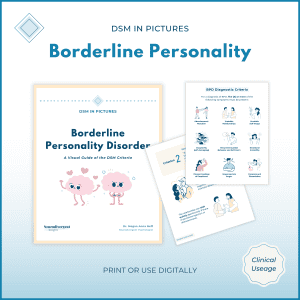
DSM in Pictures: Bipolar 2 walks through the diagnostic criteria visually, one criterion at a time. It translates the clinical language of the DSM into images and plain explanations, so you can see how bipolar II is defined, how the hypomanic and depressive episode criteria fit together, and what sets it apart from bipolar I.
You can use it to make sense of your own experience, to understand a diagnosis you have received, or to better understand someone you love.
What it is
A visual, image-forward guide to the DSM criteria for bipolar 2 disorder, created by Dr. Megan Anna Neff, a neurodivergent clinical psychologist who builds visual resources.
What’s inside
- A clear map of how the criteria fit together: bipolar 2 requires at least one hypomanic episode and at least one major depressive episode
- Hypomanic episode criteria explained visually: the elevated or irritable mood, the four-day duration, and the symptom list
- The key distinction from mania: a hypomanic episode is not severe enough to be disabling or require hospitalization, which is what separates bipolar II from bipolar I
- Major depressive episode criteria: the nine symptoms and the two-week threshold, including the note on thoughts of death
- The disqualifiers, Criteria B through D: no history of a manic episode, ruling out other explanations, and the significant distress caused by the cycling itself
Who it’s for
Anyone who wants a clear, affirming way to understand bipolar 2 and what goes into the diagnosis. Whether you are exploring your own experience, sitting with a diagnosis you have received, or supporting someone you care about.
It is especially useful if you process visually, if you are sorting out the difference between bipolar I and bipolar II, or if you are trying to understand the line between a hypomanic and a manic episode.
What the Personal License Is For
This is the Personal Edition, for your own use. You can read it on screen, print a copy for yourself, and return to it whenever it is helpful.
It is not licensed for professional use with clients or for redistribution. If you are a clinician or coach who wants to share this with the people you work with, the Clinical Edition is built for that.
Format and access
A digital PDF download, designed to be read on screen, printed, or shared. Visual-forward and built with cognitive accessibility in mind.

Reviews
There are no reviews yet.