Revised December 7, 2025
The last few weeks of our holiday series have explored how holiday marketing lands on neurodivergent minds, and why this season can be especially hard for many neurodivergent people.
This week we’re shifting toward another common challenge: noticing how our values and access needs can collide, both inside ourselves and in our families.
Table of Contents
When Our Values and Needs Clash
The hardest decisions often involve some level of value conflict. The holidays are full of these moments: times when what we long for and what our bodies can handle don’t quite line up. Many neurodivergent folks know the feeling of wanting connection while also craving quiet, or valuing tradition while struggling with the sensory load that comes with it.
The holiday season is often painted as a time of joy and connection, but it’s also a season ripe with value conflicts. For many of us, it’s a time of tension — especially when our values and needs seem to pull us in opposite directions. A few years ago, I wrote:
“My soul longs for connection, but my body craves isolation.”
If you can forgive the rampant dualism in that sentiment, there’s something in there that many neurodivergent people relate to.
What we long for and what our body needs can often exist in conflict with one another. You might deeply value connection but find that large family gatherings leave you overstimulated and emotionally drained. Or perhaps you value creating lasting memories with your children and loved ones, but the sheer weight of tradition, expectation, and routine disruption feels overwhelming.
For neurodivergent people, these tensions can feel especially pronounced. The holidays often ask us to juggle not only our own needs and values but also those of our families, creating a complex web of internal and external pressures.
So how do we navigate the holidays when our inner world feels at odds with the outer expectations of the season? And how do we make space for our needs and values — even when they clash?
Before we go deeper into how this shows up during the holidays, it might help to slow down and clarify what I mean when I talk about values.
And when we return to the holidays with this clarity, it becomes easier to understand why they land so heavily.
What are Values?
I keep using the word values, and that word can mean different things to different people. So it might help to pause and get on the same page about what I mean. In many therapeutic approaches, values-work, or gaining clarity about what matters most to us, is a core practice. When we’re living in alignment with our values, life often feels more grounded and meaningful. When we’re out of alignment, we tend to feel it in our stress, our overwhelm, and a sense of disconnect.
One of the practices I return to again and again is clarifying my own values so I can anchor myself in them. Those values shape how I prioritize, set boundaries, and communicate my needs.
If you’re new to values-work, a value card sort exercise can be a great place to start. It can also spark surprisingly meaningful conversations when done with others. For example, I learned that autonomy is one of my top five values, while my spouse prioritizes community. Having this shared language has helped us understand where our values overlap and where they diverge, and it’s shaped how we show up for each other.
Navigating the Gap Between Values and Needs
For much of my life, the holidays felt like a gauntlet. I wanted to enjoy family gatherings, but my sensory system often had other plans. I’d leave feeling depleted, irritable, and quietly berating myself for not being able to enjoy what was supposed to be a joyful occasion. I didn’t understand why the holidays landed so heavily until I started thinking about them through the lens of values. Each gathering held a kind of values-disconnect: I deeply valued connection, yet I didn’t feel connected to myself or to others because of the overstimulation.
The deeper pain wasn’t just the sensory overwhelm. It was the way my efforts to move toward my values were being thwarted in ways I didn’t yet have language for. I kept showing up because I valued connection, but the overload made that connection inaccessible.
It wasn’t until my late-in-life neurodivergent discovery that I finally had a framework to make sense of what was happening.
- I understood my values, but I didn’t yet understand the type of access needs required to honor them (access needs are the supports a person needs to fully participate, like ramps, captions, sensory supports or quiet spaces).
- I prioritized other people’s or cultural expectations of what an event “should” look like over creating the conditions I needed to live out my values meaningfully.
- I carried guilt for not celebrating the “right” way — for finding joy in quieter moments rather than the lively, bustling moments I thought I was supposed to enjoy.
This tension between values (connection, tradition, family) and needs (sensory boundaries, rest, alone time) is something many neurodivergent people know intimately. It’s a delicate dance — striving to honor what matters while also recognizing and respecting our limits.
And yet, I’ve come to see these moments of conflict as invitations. They ask us to pause, reflect, and explore:
- What values are guiding me this season?
- How can I align my choices with those values while also honoring my needs?
- What access needs do I have to create the conditions that allow me to live out these values?
The answers aren’t always simple, and the process isn’t always smooth. But there’s quiet power in naming these tensions and giving ourselves permission to navigate them in ways that feel authentic.
A Framework for Navigating Clashing Values and Needs
Values are our compass; they point us toward what matters most. They give us a framework for decision-making, even when the decisions are hard. For example:
- If I value connection, I might choose to attend part of a family gathering, knowing I’ll need a sensory break halfway through.
- If I value rest, I might decline an invitation and instead connect with loved ones one-on-one later in the week.
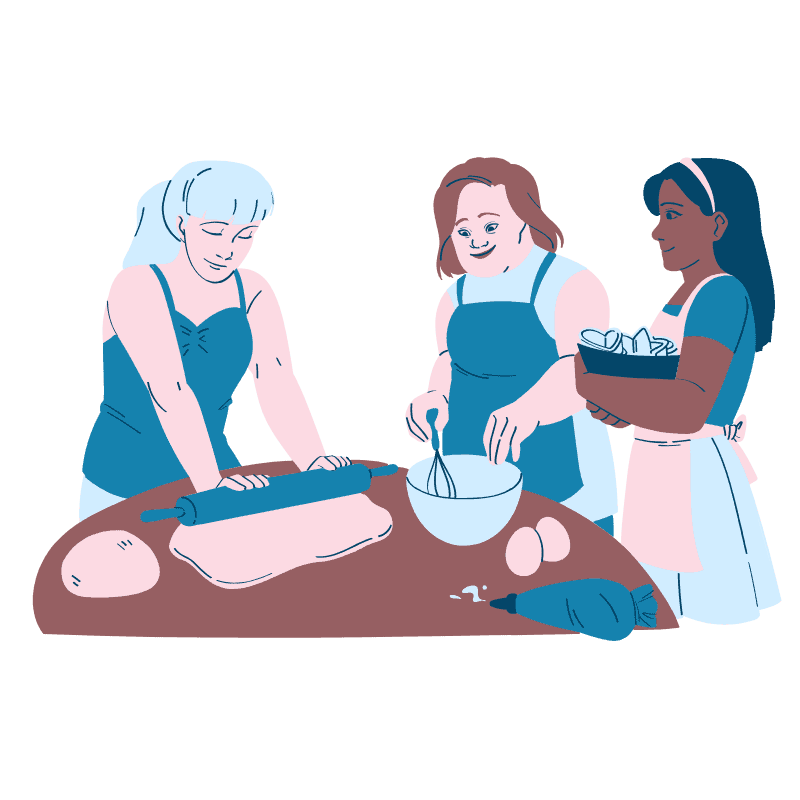
- If I value tradition, I might adapt holiday rituals to better suit my family’s needs — like trading a loud holiday outing for a quiet evening baking cookies together.
The key is identifying your core values and using them to guide your decisions in ways that feel meaningful and manageable.
Once you’ve identified your values, the next step is pairing them with a clearer understanding of your needs — including the access needs that allow you to embody those values. Here’s a simple framework:
Identify the Underlying Values
What values are at the heart of this decision or conflict? For example, if you’re feeling torn about skipping a family gathering, is it because you deeply value connection or tradition? Are those values in tension with another, like your health (if you’re worried about exposure) or the need for rest?
Name the Needs at Play
What needs are driving this tension? For example:
- Does your sensory system need quiet, but your heart long for connection?
- Are you craving both solitude and a sense of belonging?
Clarify Your Access Needs
Access needs are the conditions required to fully experience and embody a value. Ask yourself:
- What do I need to create the conditions for this value to come to life?
For example:
- If you value connection but find large gatherings overstimulating, your access need for connection might be smaller, quieter settings. You might suggest a more intimate gathering with the people you most want to connect with
- If you value tradition but struggle with long, energy-draining events, your access need might be setting a personal time limit for how long you stay. This lets you take part in ways that feel meaningful without pushing past your capacity. I’ve also found that naming a time boundary upfront can ease family tension, which makes the whole experience gentler on everyone.
Consider the Values of Others
The holidays often revolve around shared experiences, which means we’re not just navigating our values and needs but also those of the people we love. Recognizing and honoring these dynamics can open up space for more intentional choices and meaningful connections.
Some questions to consider:
- Are there moments where honoring someone else’s value, even if it’s not your own, feels like an intentional act of love or connection?
- How can you share in their values while also respecting your access needs?
For example, your partner might deeply value upholding family traditions, while you value quiet, sensory-friendly connection. You might decide to attend part of the event, step out for a break when needed, or focus on the moments that feel most manageable and meaningful to you.
Personally, reframing certain activities as aligning with the values of those I care about — my kids, my partner, my family — released the pressure to enjoy them or feel a certain way. Doing things that support my kids’ values, like helping them build memories or have specific experiences, aligns deeply with my own values of nurturing them. Naming this — ‘I do this because it matters to them, and that aligns with what matters to me’ — has helped me approach these moments with a softer, more grounded perspective.
Prioritizing with Agency and Compassion

When making decisions this season, consider:
- What choices might help me honor my values, meet my needs, and make space for the values of those I care about?
Perfect balance is rarely possible, but small adjustments can often make a meaningful difference. Perhaps it’s shortening the time you spend at a gathering, stepping outside for a sensory break, or suggesting alternative ways to connect that feel more manageable.
Navigating the holidays with intention doesn’t mean everything will be easy, but by approaching decisions with agency and compassion — both for yourself and for those you love — you can create space for a season that feels more aligned.
It’s Okay to Celebrate Differently
Holiday traditions often carry heavy cultural expectations, but your family’s celebrations don’t have to look like anyone else’s. What matters is finding ways to connect and create joy in ways that feel authentic to you.
For my family, this means embracing quiet holiday traditions instead of overstimulating outings. We bake the same cookies each year, cozy up for holiday movies, and build a shared Stardew Valley farm together. These simple traditions bring us connection and comfort — and align with what we value.
If this season feels weighed down by internal or external expectations, I hope you’ll remind yourself of this: It’s okay to celebrate differently. It’s okay to prioritize rest, say “no,” or embrace unconventional ways of marking the season
Wrapping Up

As we enter this holiday season, I want to leave you with this: Your needs are valid, and your way of navigating this season doesn’t have to look like anyone else’s.
By grounding your choices in your values and honoring what is right for you, it’s possible to create moments that feel meaningful — even amidst the complexities of the holiday season.
Wishing you a season that feels manageable and leaves room for meaningful moments — however they may look for you.
Follow-Up Resources
Youtube Video
You can now catch the Neurodivergent Insights interview Dr. Neff and Brett recorded about this article!
NDI Visual Guide
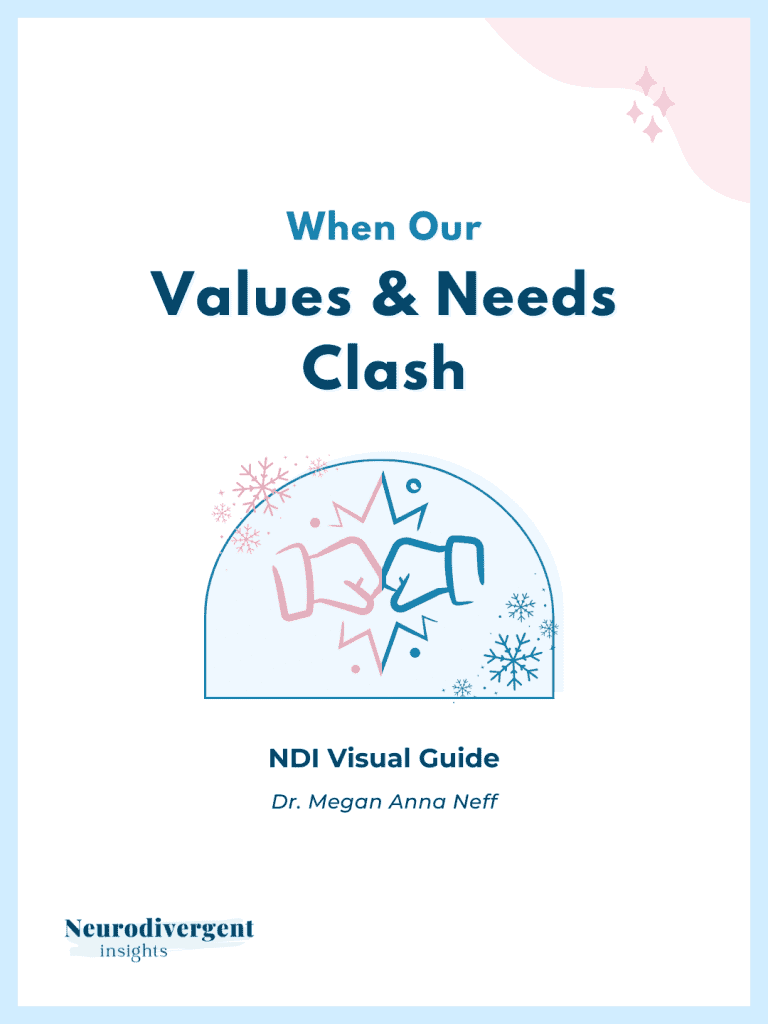
Prefer to engage or share this information visually? Our Free NDI visual Guides are abbreviated, visual-forward highlights of our longer articles.
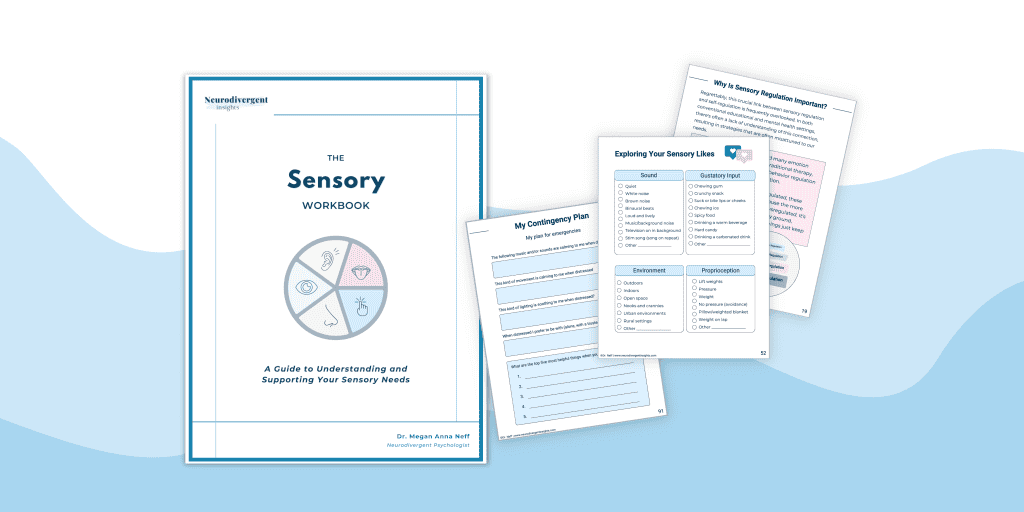
The Sensory Workbook
To explore your sensory needs more deeply and begin shaping a life that supports your sensory profile, you can learn more in our Sensory Workbook.
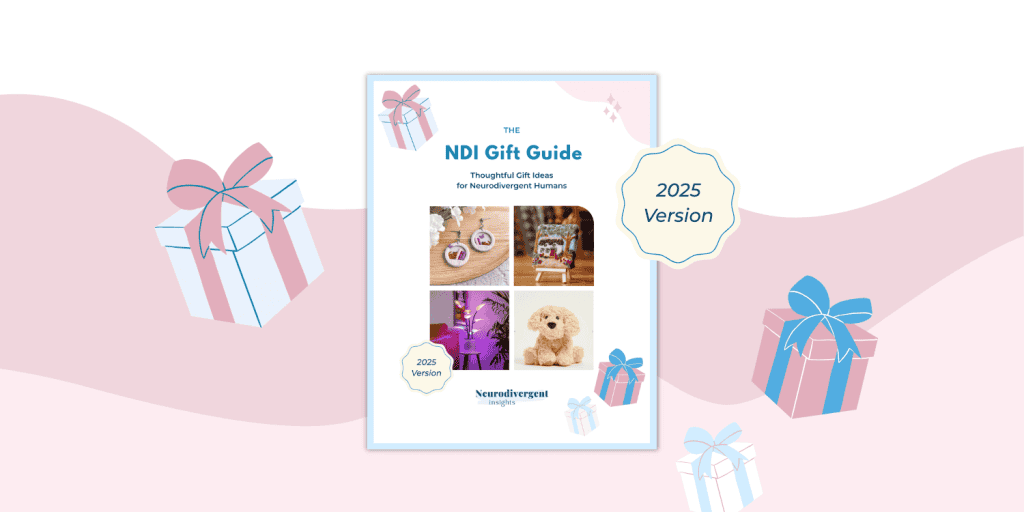
Free Neurodivergent Insights 2025 Gift Guide
If you’re still looking for Holiday gifts for neurodivergent loved ones, we’ve recently updated our Neurodivergent Gift Guide. This highlights several ND owned small shops as well as a roundup of our favorite sensory/creative/literary gifts for neurodivergent humans. It includes some affiliate links which helps support the creation of this guide as well as our ongoing work.
🗞️ Stay in the Neurodivergent Loop
For ongoing insights and updates, subscribe to the Neurodivergent Insights Newsletter. Each Sunday, I send out fresh thoughts and a roundup of the newest resources on topics related to neurodivergence, mental health, and wellness. My most personal writing is reserved for my newsletter, and subscribers also get access to the newsletter vault (12+ PDFs) when they join.